
Last updated October 30, 2026
 Home additions & ADU
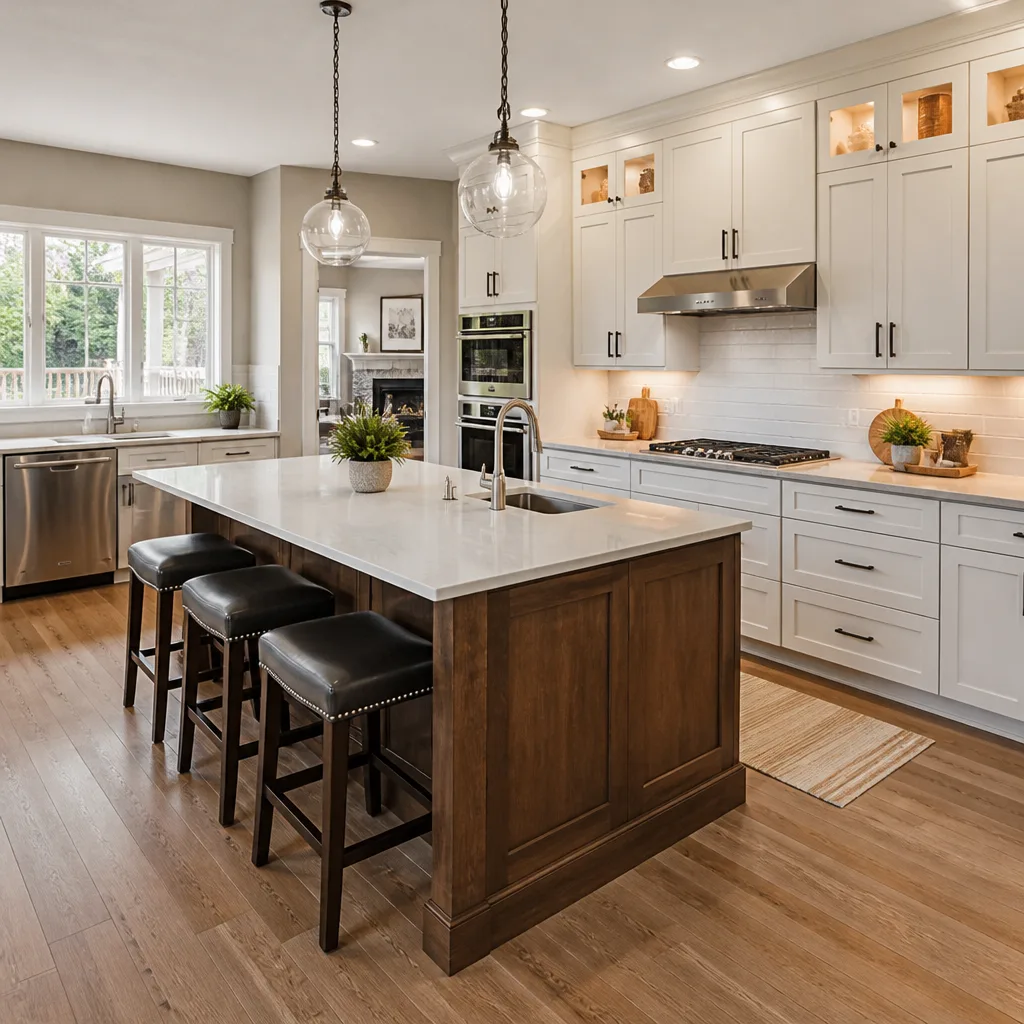 Kitchen remodeling
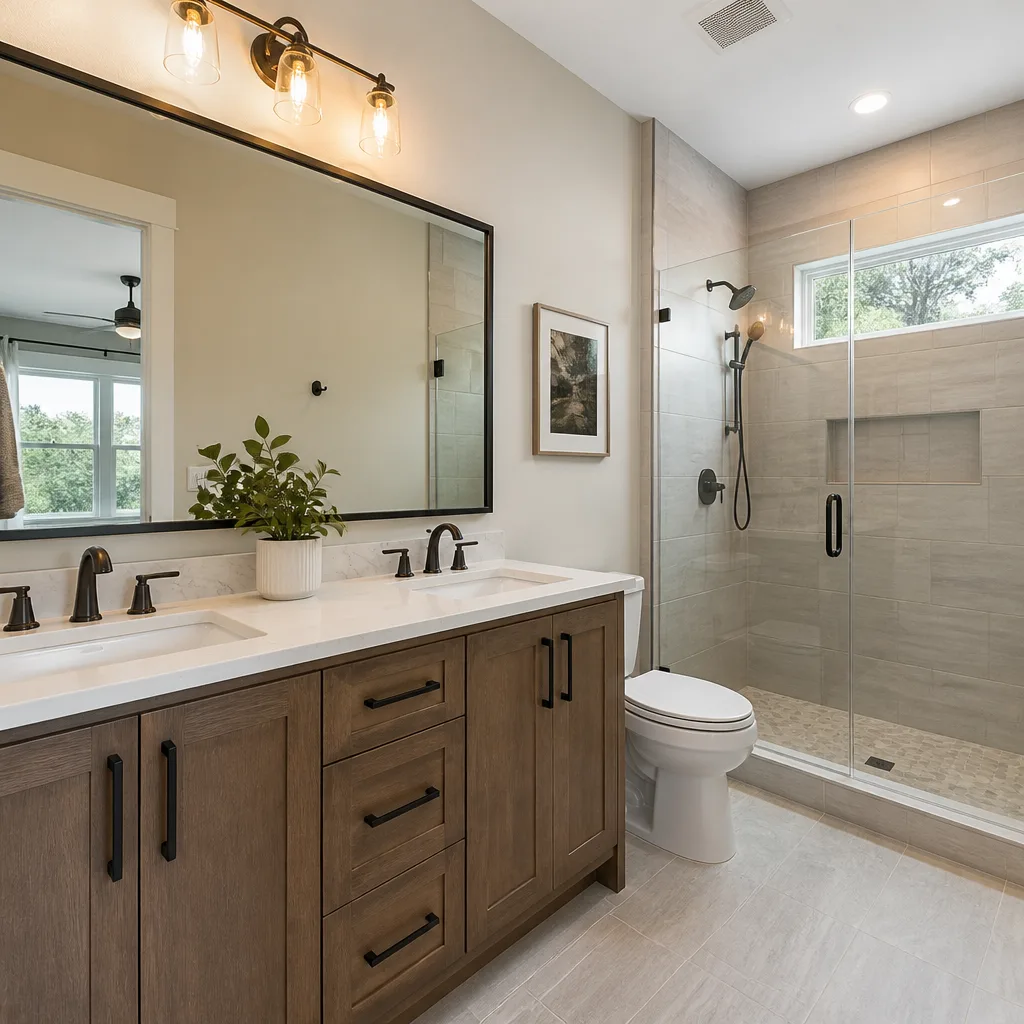 Bathroom remodeling
 Roofing
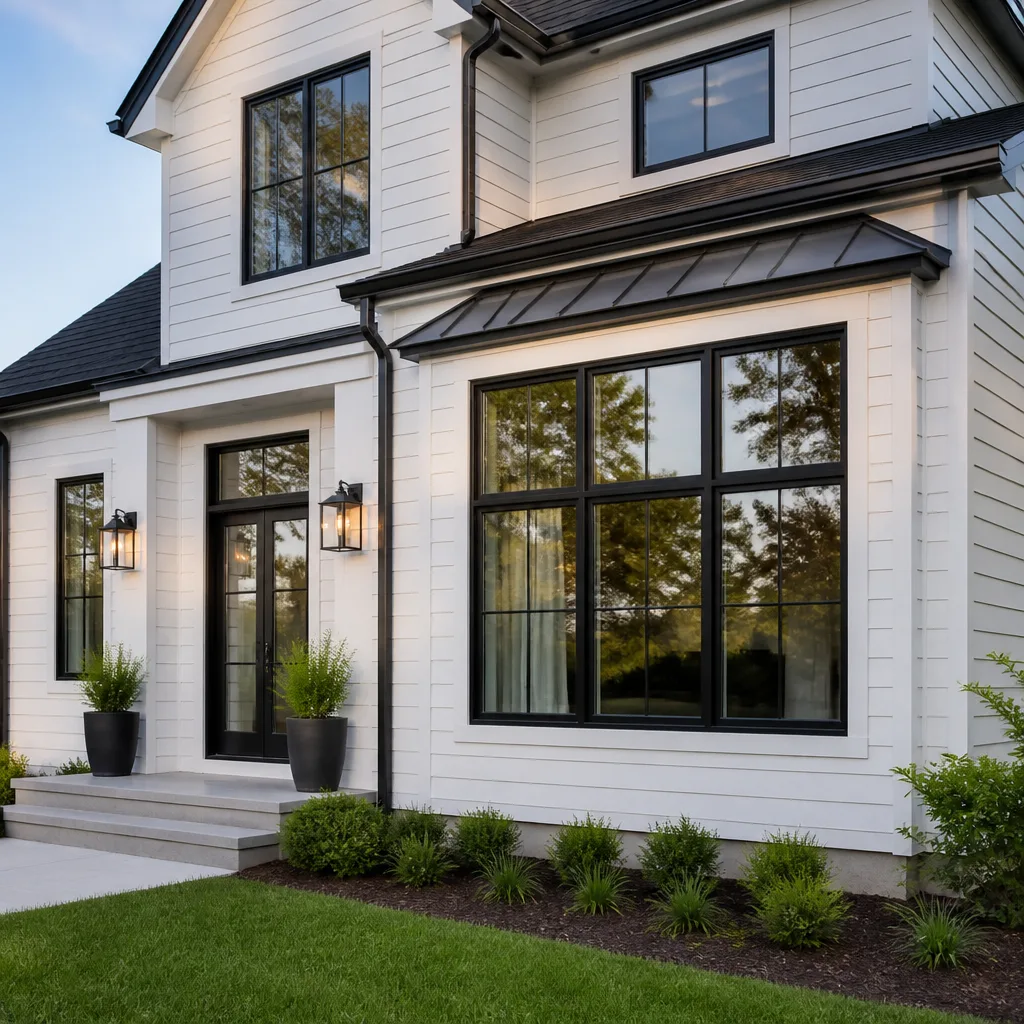 Windows & doors
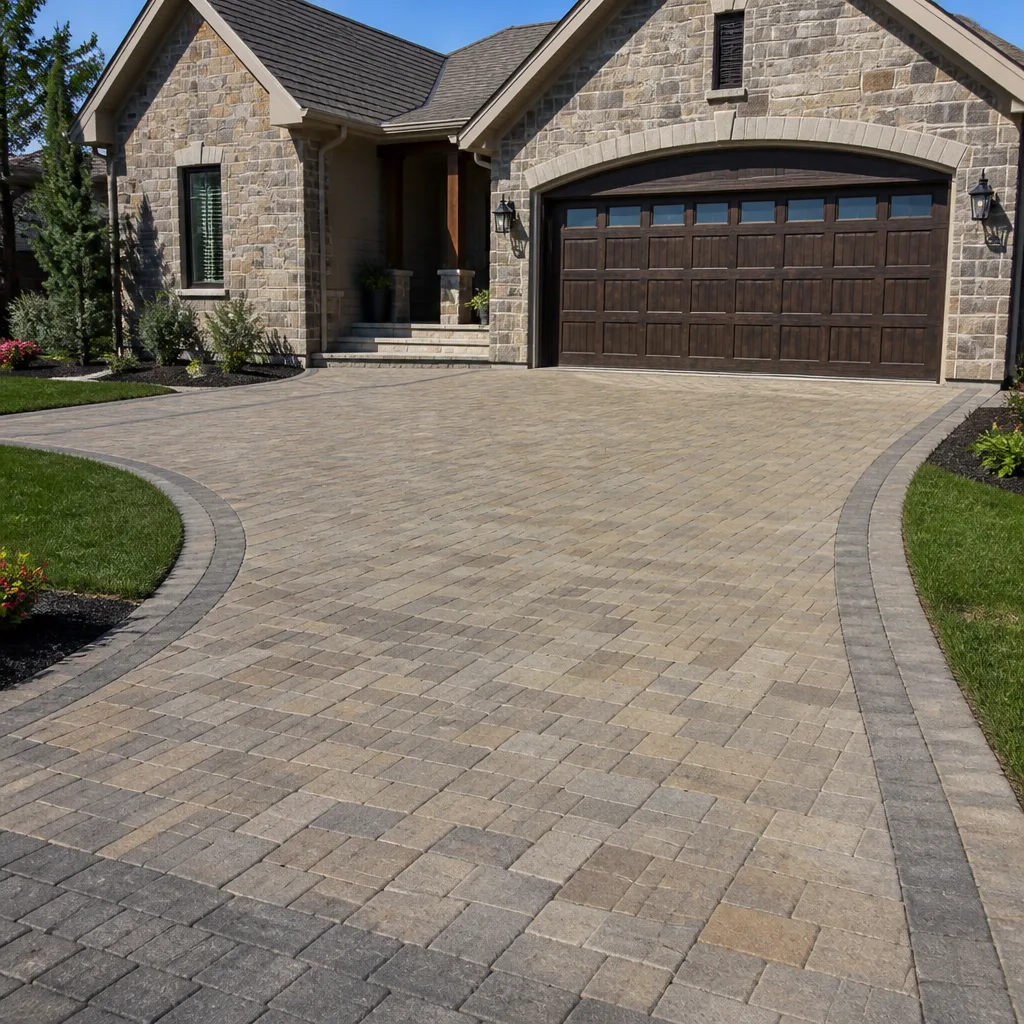 Driveway & pavers
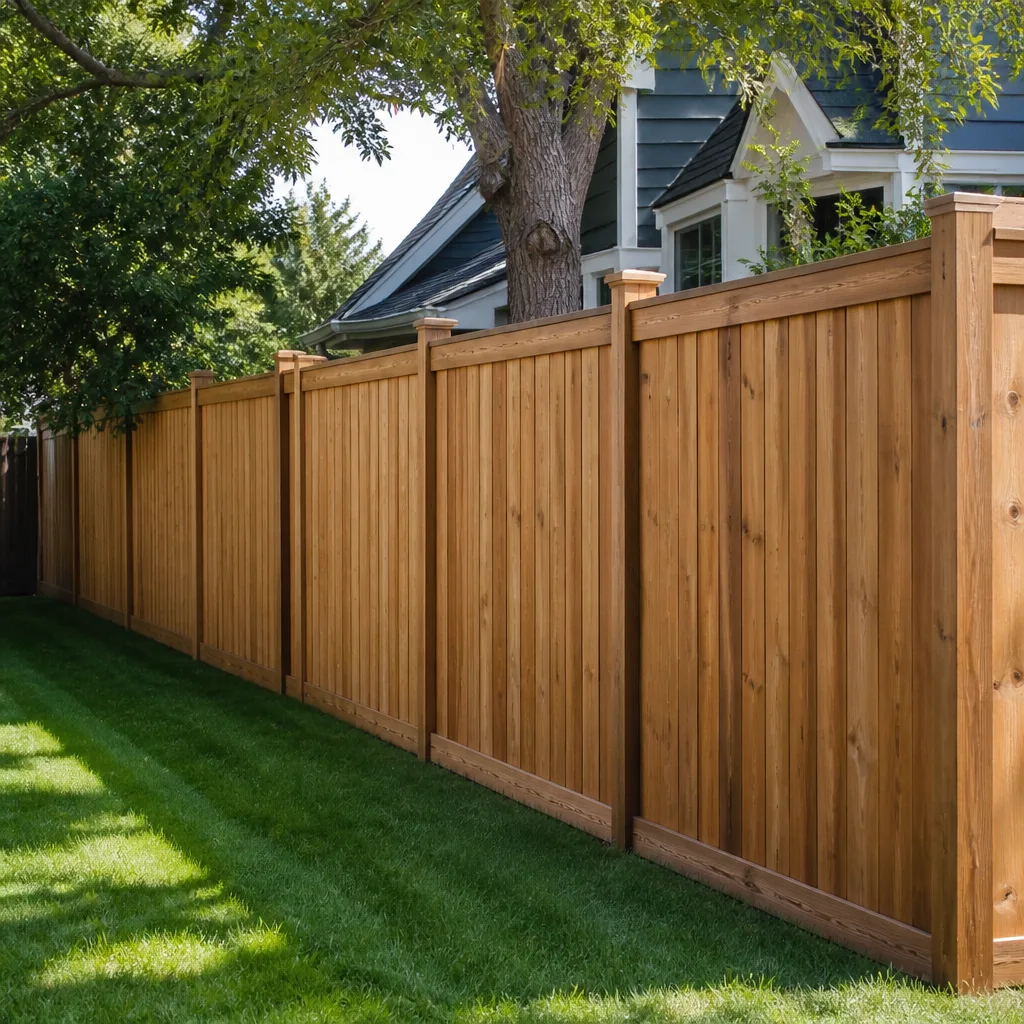 Fence
Free written scope consultation - allowances, timeline, and change-order rules on paper before a single trade is scheduled
DIY vs Professional Construction: The Lake Forest Homeowner’s Decision Guide
Replacing your own water heater in California is legal without a contractor license. Doing it without a permit, which most DIYers skip, can void your homeowner’s insurance coverage for any water damage that follows. That single fact explains why the DIY-versus-pro question in Lake Forest is not actually about how handy you are. It’s about understanding which tasks carry permit obligations, HOA disclosure requirements, or insurance implications that turn a weekend project into a liability the moment you sell or file a claim. This guide walks through the decision framework we use with Lake Forest homeowners, covering where DIY genuinely saves money, where it creates compounding costs, and how to structure a hybrid approach that gets you the best of both.
Quick Answer
DIY makes financial sense in Lake Forest for finish work that does not touch structure, electrical, plumbing, or the building envelope: interior painting, fixture swaps, landscaping, and cosmetic trim. Professional contractors are the right call for anything requiring an Orange County permit, anything your HOA requires to be done by a licensed contractor, and anything where a failure would produce water, fire, or structural damage. For many Lake Forest homeowners, the smartest path is a hybrid: a licensed general contractor manages permits, structural work, and trade coordination while you handle cosmetic finish work. See our How to Hire a Construction Contractor in Lake Forest: A Step-by-Step Guide for help finding the right professional.
Styles & brands we work with
Table of Contents
- The Real Decision: Liability, Not Skill
- The Lake Forest Permit Trigger Checklist
- HOA Disclosure Rules: What Lake Forest Homeowners Must Report
- The Insurance Gap: Unpermitted Work and Claims
- Where DIY Genuinely Saves Money
- Where DIY Creates Compounding Costs
- The Hybrid Model: GC Oversight With DIY Finish Work
- Cost Comparison: DIY vs Professional in Lake Forest
The Real Decision: Liability, Not Skill
The most common framing we hear from Lake Forest homeowners goes something like this: “I’m pretty handy. Should I just do this myself?” The problem with that framing is that skill level is almost never the deciding factor. A homeowner can be perfectly capable of replacing a water heater, rewiring an outlet, or building a backyard pergola. The liability of the work, however, follows the property regardless of who swung the hammer.
Lake Forest sits within Orange County jurisdiction, which enforces the California Building Standards Code. Orange County issues permits through its Building and Safety division, and the county’s inspectors do not care who performed the work. They care whether the work was done to code. The same applies to your insurance carrier, which will investigate the cause of any claim before paying out. And the same applies to the buyer’s inspection when you eventually sell.
So the real decision is not “can I do this?” It is “will this work create a paper trail problem, an insurance problem, or a resale problem if it is not done by a licensed contractor?” For finish work that has no structural, electrical, plumbing, or envelope implications, the answer is usually no. For anything that touches those systems, the answer in Lake Forest is almost always yes.
We see this dynamic play out across Lake Forest neighborhoods, from the older single-story homes near El Toro Road to the newer developments up near the 241. The houses are different, but the code requirements and insurance realities are the same. A homeowner who understands those realities before starting a project is the one who avoids an expensive correction later.
The Lake Forest Permit Trigger Checklist
California law requires a permit for any construction that alters a structure, and Orange County enforces that requirement strictly. Homeowners can legally pull their own permits for work on their primary residence, but there is a catch that most people do not realize: when work is performed by a homeowner without a contractor license, the homeowner assumes all liability for code compliance. If the work fails inspection or causes damage later, there is no contractor insurance to fall back on.
Here is the practical checklist of project types that trigger a permit requirement in Lake Forest regardless of who performs the work:
- Water heater replacement: Requires a plumbing, electrical, and sometimes mechanical permit. This is the most common unpermitted DIY project in Lake Forest, and it is also the one that produces the most insurance denials.
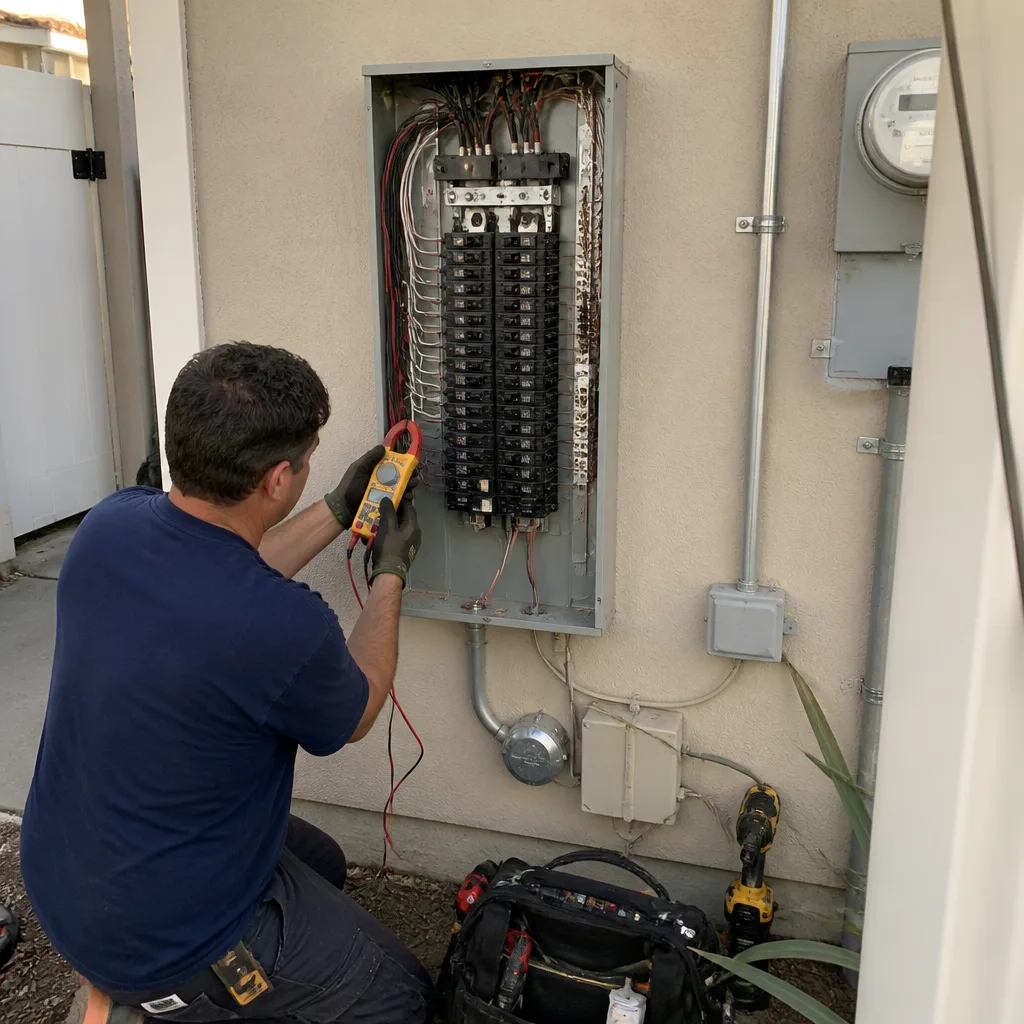
- Any panel work or circuit addition: Touching the electrical panel, adding circuits, or running new wiring requires an electrical permit. Orange County inspectors are particular about panel clearances and grounding requirements.
- Bathroom or kitchen remodels that move walls or plumbing fixtures: Any change to a drain line, supply line, or structural wall triggers permits. Even moving a sink within the same wall can require a plumbing permit.
- Window replacements that change opening size: Swapping like-for-like windows typically does not require a permit, but enlarging an opening or cutting a new one does. This is structural work.
- Roof replacements: A full roof replacement requires a permit in Orange County, and the county requires the work to be completed by a licensed contractor for insurance purposes on most policies.
- Any addition, ADU, or garage conversion: This is major structural work with zoning implications. ADU projects in Lake Forest also require compliance with state ADU statutes and city zoning code.
- Decks, patio covers, and pergolas over 200 square feet or attached to the house: Structural loads and attachment details require engineering review.
- Fences over 7 feet tall: Anything above 7 feet requires a permit. Standard 6-foot fences typically do not, but they may trigger HOA review.
The practical takeaway: if your Lake Forest project touches structure, electrical, or plumbing, a permit is almost certainly required. If you plan to do it yourself, you will need to pull the permit as an owner-builder, pass the inspections yourself, and carry the liability yourself. That changes the math significantly.
HOA Disclosure Rules: What Lake Forest Homeowners Must Report
Lake Forest has one of the densest concentrations of homeowners associations in Orange County. Entire neighborhoods, from Foothill Ranch to the communities around Lake Forest Drive, operate under CC&Rs that impose disclosure and approval requirements on exterior work. Many homeowners find out about these rules only after a project is underway, which creates a different kind of liability: HOA enforcement.
Here is what Lake Forest homeowners need to know about HOA disclosure requirements for exterior changes:
- Cosmetic exterior changes still require disclosure in most communities. Repainting your house in the same color may require only a simple notification form. Changing the color requires approval, and some Lake Forest HOAs maintain approved color palettes that limit your options.
- Hardscaping changes often require approval. Adding a paver patio, retaining wall, or walkway in the front yard is a visible exterior change. Lake Forest HOAs commonly require design review before installation, even if Orange County does not require a permit for a small ground-level patio.
- Fence replacement must match the community standard. Some Lake Forest HOAs dictate fence material, height, and color. Using an unapproved material means you will be asked to remove it, even if the work itself was done well.
- Window and door changes on the front elevation require design review. This applies whether you are replacing windows like-for-like or changing the style. HOAs want consistency across streetscapes.
- Some HOAs require a licensed contractor for specific work. This is the part most homeowners do not expect. Certain Lake Forest communities require structural, roofing, and sometimes even fencing work to be performed by a licensed and insured contractor as a condition of approval. Check your CC&Rs before planning any exterior project.
The HOA layer is a Lake Forest-specific concern that adds cost and time to projects that would otherwise be straightforward. A general contractor who works in Lake Forest regularly understands these requirements and can tell you at the estimate stage whether your project will need design review, board approval, or a licensed-contractor mandate. Our General Contractor Maintenance Checklist for Lake Forest Homeowners covers what to verify before work begins. That is information worth having before you spend money on materials.
The Insurance Gap: Unpermitted Work and Claims
This is the section that most DIY guides never mention, and it is the one that matters most in Lake Forest. Homeowners insurance policies are contracts. Within those contracts, there is language that requires the homeowner to comply with all building codes and permit requirements. When unpermitted work fails, the insurance company has a legal basis to deny the claim.
Here is how the insurance gap actually works in practice:
- Water damage from an unpermitted water heater or plumbing modification: If a DIY plumbing repair fails and floods the house, the carrier investigates. If they find the work was unpermitted and not performed by a licensed contractor, they can deny the water damage claim. The homeowner is then responsible for the water heater, the flooded floor, the drywall, the mold remediation, and everything else. This is a five-figure exposure from a project you thought was saving money.
- Fire damage from unpermitted electrical work: This is the most serious scenario. If an electrical fire starts in an area where unpermitted wiring was performed, the carrier will determine the cause of the fire. Unpermitted electrical work is a common basis for claim denial or significant subrogation attempts.
- Liability claims from unpermitted structures: If a pergola or deck you built without a permit collapses and injures someone, your carrier may deny liability coverage because the structure was never inspected or approved.
- Resale complications: When you sell a Lake Forest home, the buyer’s inspection will flag unpermitted work. The buyer’s lender may require the work to be permitted retroactively, and retroactive permits often require opening walls to expose the work for inspection. This can cost thousands of dollars at the moment you least want to spend it.
The insurance gap is not a theoretical risk. In our experience with Lake Forest remodels, we have been called in to correct unpermitted work more times than we can count. The homeowner pays for the original DIY project, then pays for the correction, then pays for the permit, and then pays for the damage repair. The DIY savings evaporate, and the homeowner is left with a more expensive project than if they had hired a licensed contractor on day one.
Where DIY Genuinely Saves Money
None of this means you should avoid all DIY work. Some projects in Lake Forest are genuinely well-suited to homeowner labor, carrying little liability and offering real savings. The key is to know which projects fit that description.
Here are the Lake Forest projects where DIY makes financial sense:
- Interior painting: No permit required. No structural or system implications. The labor cost savings are real, and the risk is limited to aesthetics. If you do not like the result, you repaint.
- Fixture swaps like-for-like: Replacing a faucet, a light fixture, or a door knob with a comparable unit does not require a permit. The work is contained and low-risk, provided you are not touching the rough plumbing or wiring behind the fixture.
- Landscaping and planting: Planting, mulching, and garden bed work require no permits and no HOA disclosure in most Lake Forest communities, as long as you are not changing hardscaping or drainage.
- Caulking, trim, and minor drywall patch: Finish work that does not touch structure is generally fine for DIY. Patching a nail hole is not a code event.
- Cabinet hardware and backsplash tile: Swapping pulls and handles or installing a tile backsplash over existing drywall carries no permit requirement and low risk, provided you do not move any plumbing or electrical boxes.
The common thread across all of these: the work is reversible, visible, and does not interact with regulated systems. If you make a mistake, the fix is cosmetic and affordable. That is the definition of a good DIY project.
Where DIY Creates Compounding Costs
Now for the other side. Some projects look simple on the surface but create compounding costs when they go wrong. These are the projects where the DIY decision is most expensive, even if the actual work seems manageable.
- Anything touching the electrical panel. This includes adding a circuit, replacing a breaker, or running new wiring. Panel work carries fire risk, requires an electrical permit, and must pass inspection. The danger here is not that you cannot figure out the wiring. The danger is that the panel is high-voltage equipment, and a mistake can produce a fire that starts inside your walls. Electricians train for years to handle this safely. We strongly recommend against any DIY panel work.
- Plumbing drain line modifications. Moving a drain line under a slab or through a wall requires a plumbing permit and inspection. A slow leak inside a wall from an improperly connected drain line can go unnoticed for months, causing mold growth and structural damage before you see any water. By the time you find it, the repair cost is exponentially higher than the original plumbing cost would have been.
- Structural wall removal or modification. Taking down a wall is satisfying. Taking down a load-bearing wall without proper engineering is a structural failure waiting to happen. Even non-bearing walls can hide electrical or plumbing that requires relocation. Any wall work that affects the structure requires a permit and, in Lake Forest, structural engineering review.
- Roof work beyond shingle replacement. Replacing a few shingles is a feasible DIY task. Replacing a roof, changing roofline, or repairing decking is not. Roof work is dangerous, and improperly installed underlayment or flashing leads to leaks that destroy insulation, drywall, and framing. Roofing manufacturers like GAF typically void their material warranties when the roof is installed by someone who is not a licensed contractor.
- Window replacement that changes the opening size. Enlarging a window opening means cutting into framing. That is structural work requiring an engineering letter and a permit. Waterproofing details at the opening are also critical. A poorly flashed window will leak into the wall cavity and rot the framing over time.
The pattern here is consistent: the DIY projects that cost more in the long run are the ones that interact with systems, structure, or the building envelope. The immediate labor savings are real, but the tail risk is substantial. When that tail risk materializes, the cost is never just the cost of the original fix. It is the cost of the original fix plus the cost of the damage plus the cost of the correction plus the cost of the permit. In Lake Forest, where housing prices are high and the cost of correction is correspondingly high, the DIY math does not work on these projects.
The Hybrid Model: GC Oversight With DIY Finish Work
Most DIY-versus-professional guides present the choice as binary: hire a contractor or do it yourself. In our experience with Lake Forest homeowners, the best solution is often a hybrid that splits the project by risk level. The homeowner handles the parts that are safe and permitted to DIY. A licensed general contractor handles the parts that carry liability and permit obligations.
Here is how a hybrid arrangement typically works for a Lake Forest kitchen or bathroom remodel:
- The general contractor handles the rough work. Demolition, structural modification, plumbing rough-in, electrical rough-in, insulation, and drywall are all performed under the contractor’s license and permit. This is the work that must pass inspection and carries the most risk.
- The contractor pulls the permits and manages the inspection schedule. Orange County inspections require the person who pulled the permit to be present or represented. A homeowner pulling their own permit must be available for every inspection. A contractor manages this as part of the job.
- The homeowner handles finish work within defined boundaries. Painting, trim carpentry, hardware installation, fixture swaps, and sometimes tile work fall into this category. The contractor and homeowner agree in writing on the scope of the homeowner’s finish work so there is no confusion about responsibility.
- The contractor performs a final walkthrough and inspection before sign-off. The contractor verifies that the finish work does not create code problems and that the project passes final inspection. This protects both parties.
This hybrid model works because it puts the liability where it belongs, on the licensed contractor with insurance, while letting the homeowner capture savings on work that carries no real liability. Not every contractor will agree to this arrangement. Contractors who are willing to structure a hybrid scope are typically the ones confident enough in their own work to welcome homeowner participation at the finish stage. When you are interviewing contractors in Lake Forest, ask directly whether they will consider a hybrid scope. The answer tells you a lot about how they run their business.
Square Deal Contractors has structured hybrid scopes for Lake Forest homeowners across home remodeling projects, and the approach works when the boundaries are defined upfront. One contractor, every phase, whether that means our crews handle everything or we step back at the finish stage while you handle the paint.
Cost Comparison: DIY vs Professional in Lake Forest
Here is a practical breakdown of what the DIY-versus-professional decision actually costs on common Lake Forest projects. These are ranges based on current Orange County material and labor pricing, intended as a starting point for your own estimates:
- Water heater replacement: DIY $600-$1,200 in materials. Professional $1,800-$3,200 including permit and haul-away. The professional price includes insurance coverage for the installation. The DIY price does not.
- Interior painting (1,500 sq ft home): DIY $800-$1,500 in materials and several weekends. Professional $4,000-$7,000. This is the strongest DIY value proposition in the book.
- Basic bathroom remodel (cosmetic only, no layout change): DIY $6,000-$12,000 in materials. Professional $18,000-$35,000. But the professional price includes fixtures from brands like Kohler, proper waterproofing, and a workmanship warranty.
- Paver patio (400 sq ft): DIY $3,000-$5,000 in materials from brands like Belgard, plus tool rental. Professional $8,000-$14,000 including base preparation, compaction, and edge restraint. Poor base preparation is the most common cause of paver failure, and correcting a failed base costs more than the original installation.
The pattern is consistent across every category: DIY saves money upfront in every case, but the savings only hold if the work is performed correctly and causes no damage. On finish work, that is a reasonable bet. On system work, it is a gamble with the downside far exceeding the potential savings.
Common Mistakes to Avoid
- Skipping the permit because “it’s just a small job.” Permits are not optional based on project size. A water heater replacement is a small job, and skipping the permit on it voids insurance coverage for any water damage that follows.
- Assuming the HOA only cares about major changes. Lake Forest HOAs enforce paint colors, fence styles, and even front yard hardscaping. Disclose before you start, not after a neighbor calls the management company.
- Doing electrical work without understanding the panel. The panel is not a place to learn. High voltage does not offer second chances, and unpermitted electrical work is a fast path to an insurance denial if something goes wrong.
- Overestimating your time. DIY projects take three to four times longer than most homeowners anticipate. A bathroom that a professional crew finishes in three weeks becomes a three-month owner-builder project. That time has a cost, especially if you are living in the house during the work.
- Not checking manufacturer warranty requirements. Brands like GAF for roofing and James Hardie for siding require installation by licensed contractors for warranty coverage to apply. DIY installation voids the warranty, and you are left with zero recourse if the material fails.
- Mixing DIY and professional work without defining boundaries. If you are hiring a contractor for part of a project and doing part yourself, define the scope boundaries in writing. Otherwise you will end up arguing about who is responsible for the transition between the two scopes.
See the difference
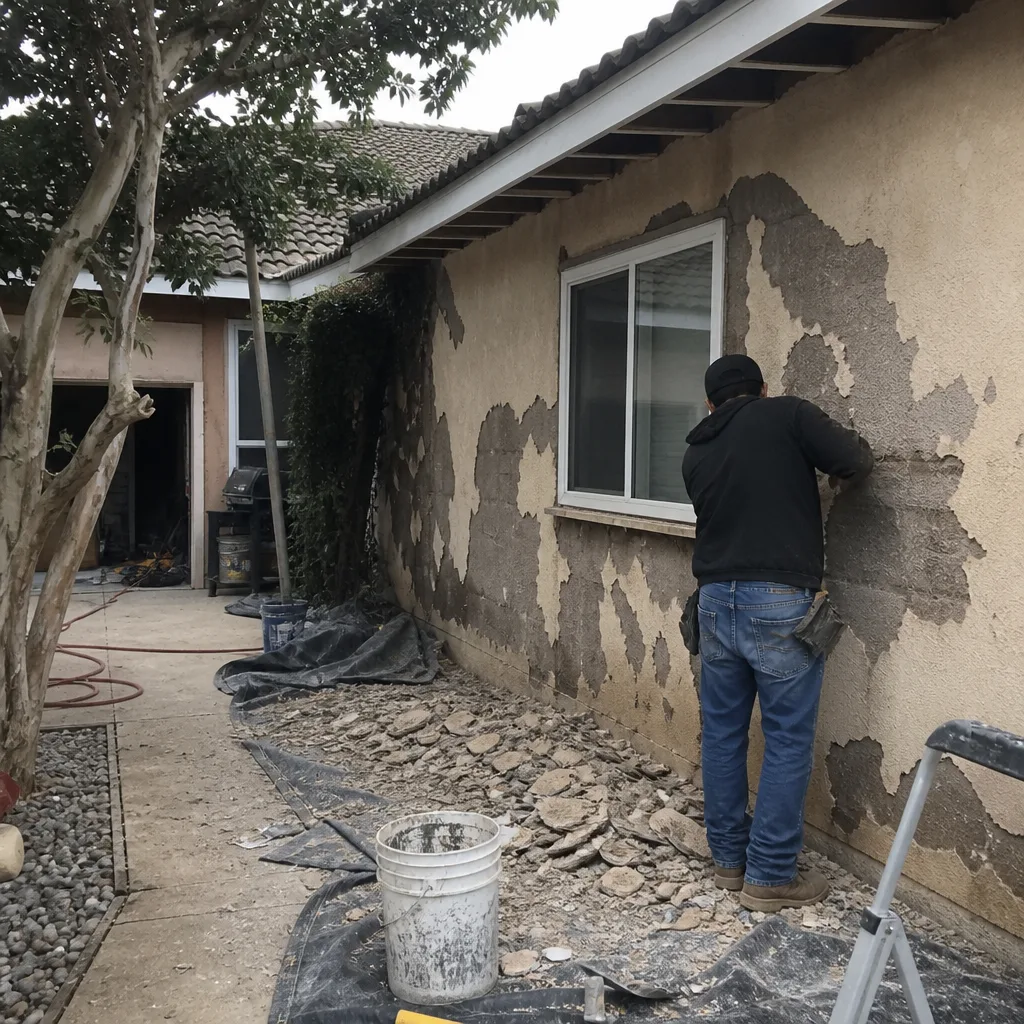 Before
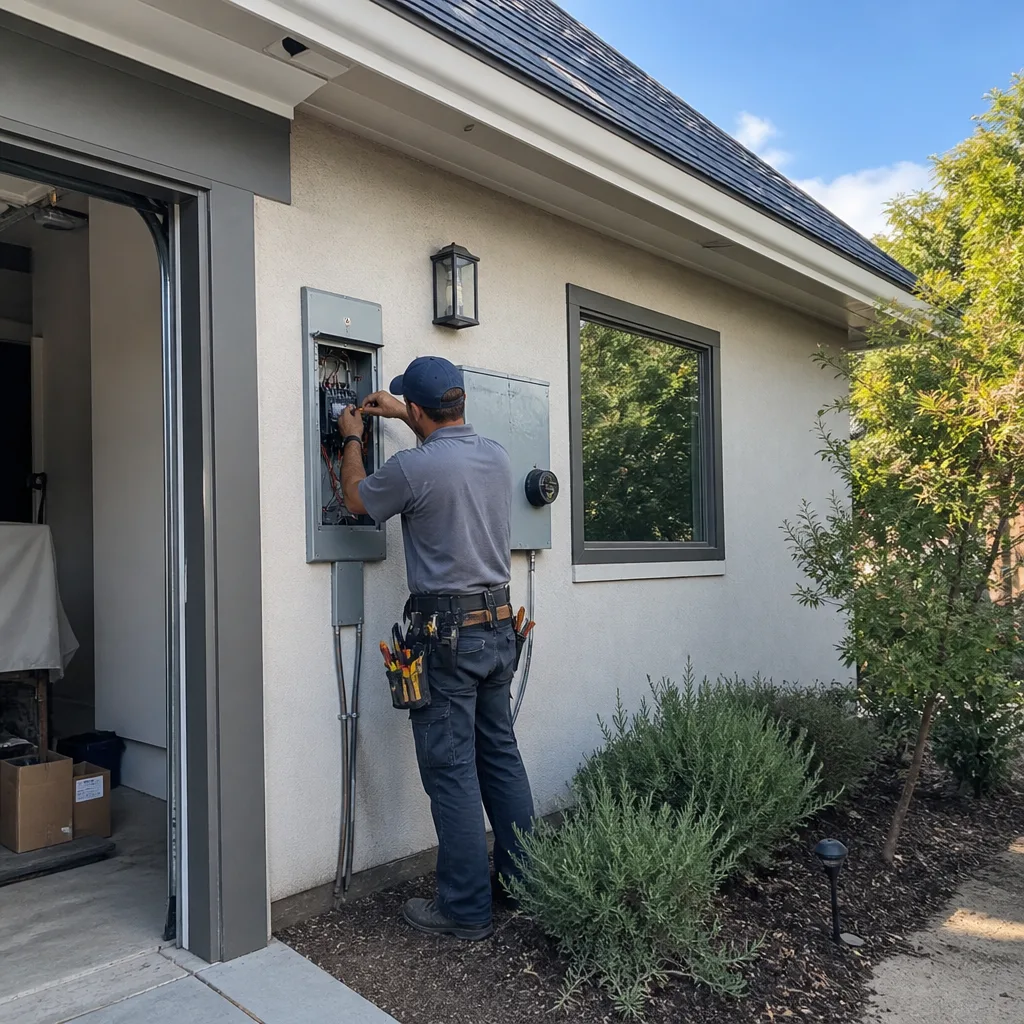 After
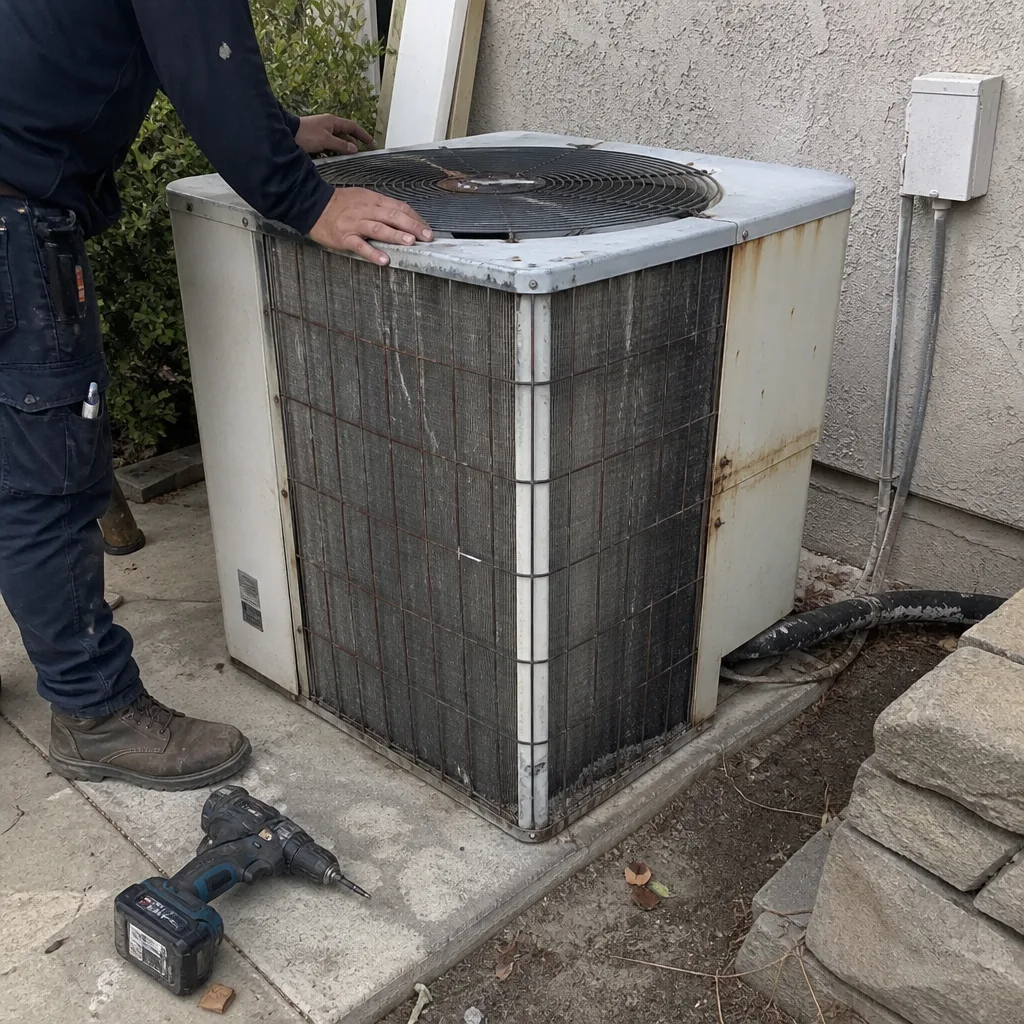 Before
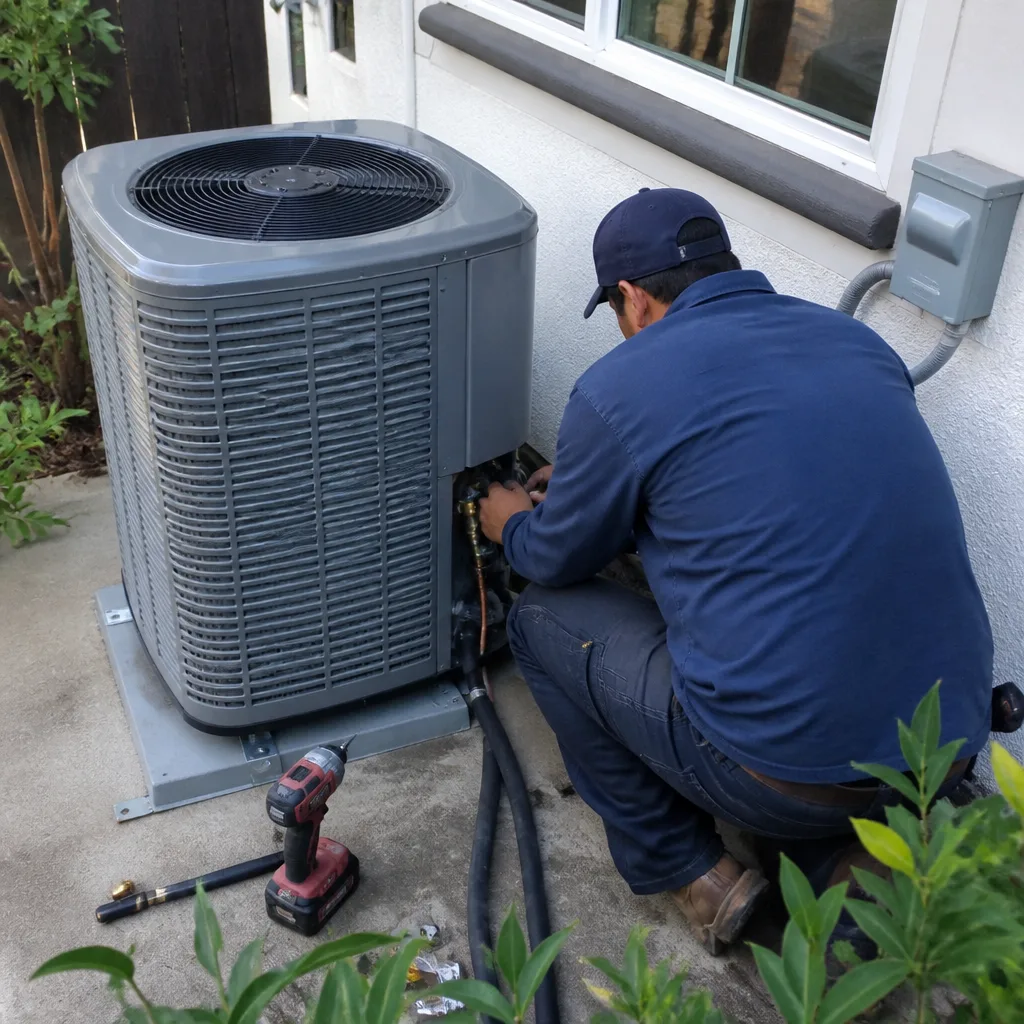 After
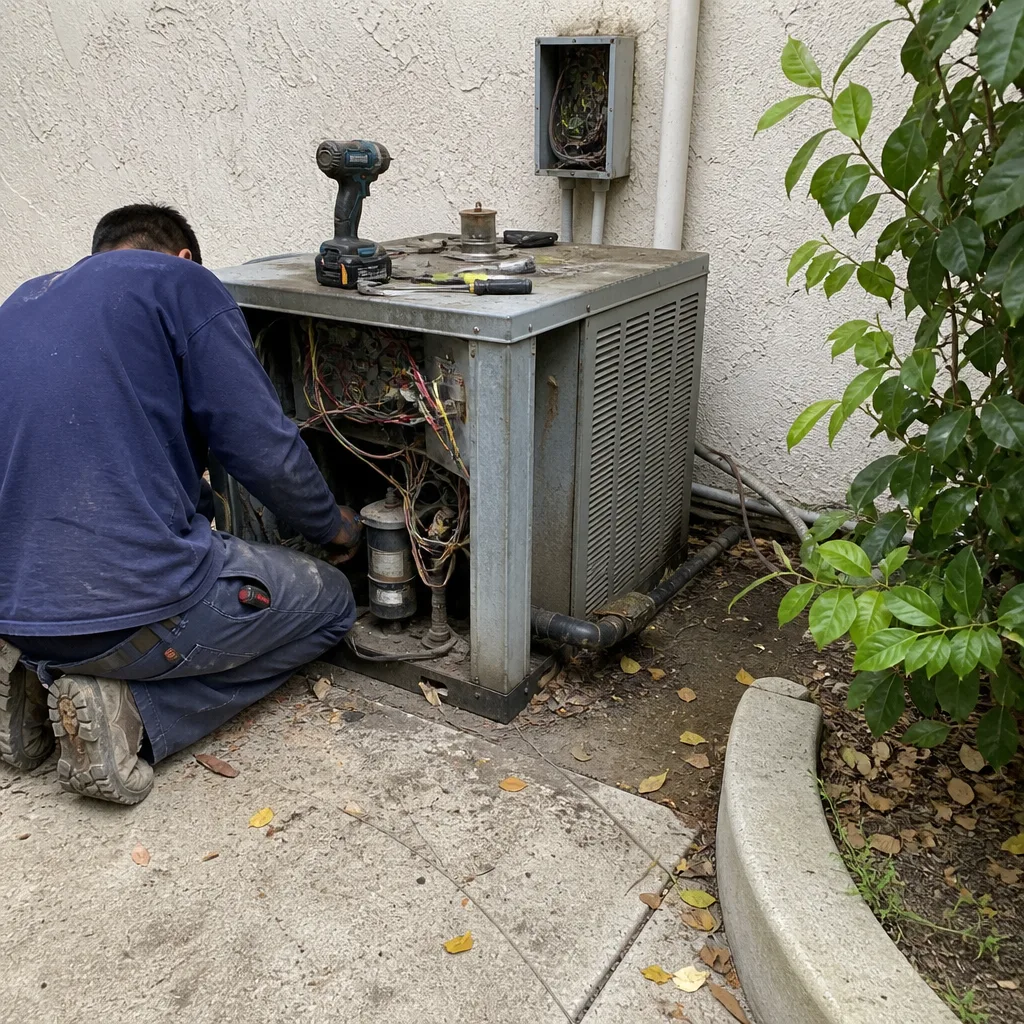 Before
 After
When to Call a Professional
Call a professional whenever your Lake Forest project touches structure, electrical, plumbing, roofing, or the building envelope. Call a professional when the project requires an Orange County permit that you are not prepared to manage as an owner-builder. Call a professional when your HOA requires a licensed contractor for approval. And call a professional when the cost of failure exceeds the cost of the professional’s labor, which is true for nearly every system-level project. A contractor with general contractor expertise in the Orange County area can tell you within the first conversation whether your project is a good DIY candidate or a liability waiting to happen. Square Deal Contractors offers free estimates in Lake Forest. Call (866) 623-7205 and we will walk you through the permit, HOA, and insurance implications of your specific project before you spend a dollar on materials.
Frequently Asked Questions
Yes, a kitchen remodel in Lake Forest requires permits if it involves moving plumbing fixtures, adding or modifying electrical circuits, changing the layout, or touching any structural wall. A cosmetic refresh that keeps everything in place, changing only finishes like cabinet doors, countertops, and paint, typically does not require a permit. When in doubt, call the Orange County Building and Safety division or have a contractor check for you. Call (866) 623-7205 if you want us to verify permit requirements for your specific kitchen project.
Yes, California law allows an owner-builder to pull a permit for work on their own primary residence. However, the owner-builder assumes all liability for code compliance, inspection scheduling, and any defects in the work. Owner-builder work also cannot be sold as contractor-completed work when you list your home.
Homeowners insurance typically covers sudden and accidental damage from a covered peril, but carriers can deny claims when the damage results from unpermitted work or work that violates building code. If a DIY plumbing repair floods your home and the carrier finds unpermitted work at the source, the claim can be denied. The carrier is not insuring your craftsmanship; they are insuring the property against sudden events.
Most Lake Forest HOAs require design review approval for any visible exterior change, including repainting in a different color, replacing windows or doors on the front elevation, adding hardscaping, and replacing a fence with a different style or material. Check your CC&Rs, which govern your specific community, before starting any exterior work.
In materials alone, yes, a DIY bathroom remodel costs significantly less than hiring a professional. The DIY price for a cosmetic bathroom is roughly $6,000 to $12,000 in materials, compared to $18,000 to $35,000 for professional installation. But if the project involves plumbing or electrical changes, the permit and inspection process plus the liability exposure shift the math in favor of professional work.
Yes, this hybrid model is increasingly common among home renovation clients. The contractor handles the permitted rough work: structural, plumbing, electrical, drywall. The homeowner handles finish work like painting, trim, and hardware installation. The key is defining the scope split in writing before the project starts so both parties understand where one scope ends and the other begins.
The Bottom Line
The DIY-versus-professional decision in Lake Forest is a liability decision, not a skill decision. Finish work that does not touch systems, structure, or the building envelope is legitimate DIY territory, and the savings are real. Work that touches electrical, plumbing, structure, roofing, or the exterior envelope carries permit obligations, insurance implications, and HOA requirements that turn DIY savings into compounding costs when something goes wrong. The hybrid model, a licensed general contractor managing the permitted work while you handle safe finish work, is the approach that most Lake Forest homeowners never hear about and most benefit from. Explore more guides & resources to plan your next project with confidence. Before you start any project, ask yourself one question: if this fails, what does the failure cost? If the answer is more than the professional’s labor, you already know the right call.
Written by the team at Square Deal Contractors home, serving Lake Forest since 2013.