
Last updated October 30, 2026
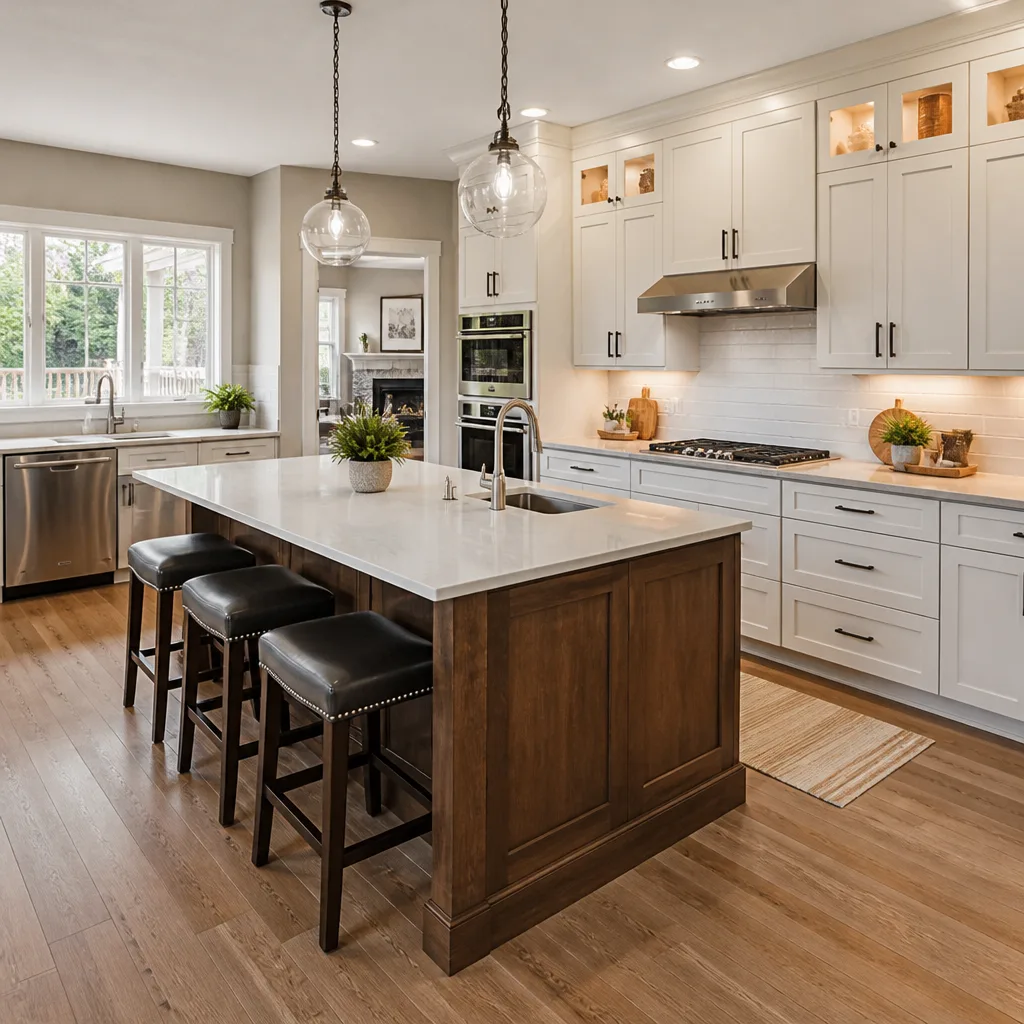 Kitchen remodeling
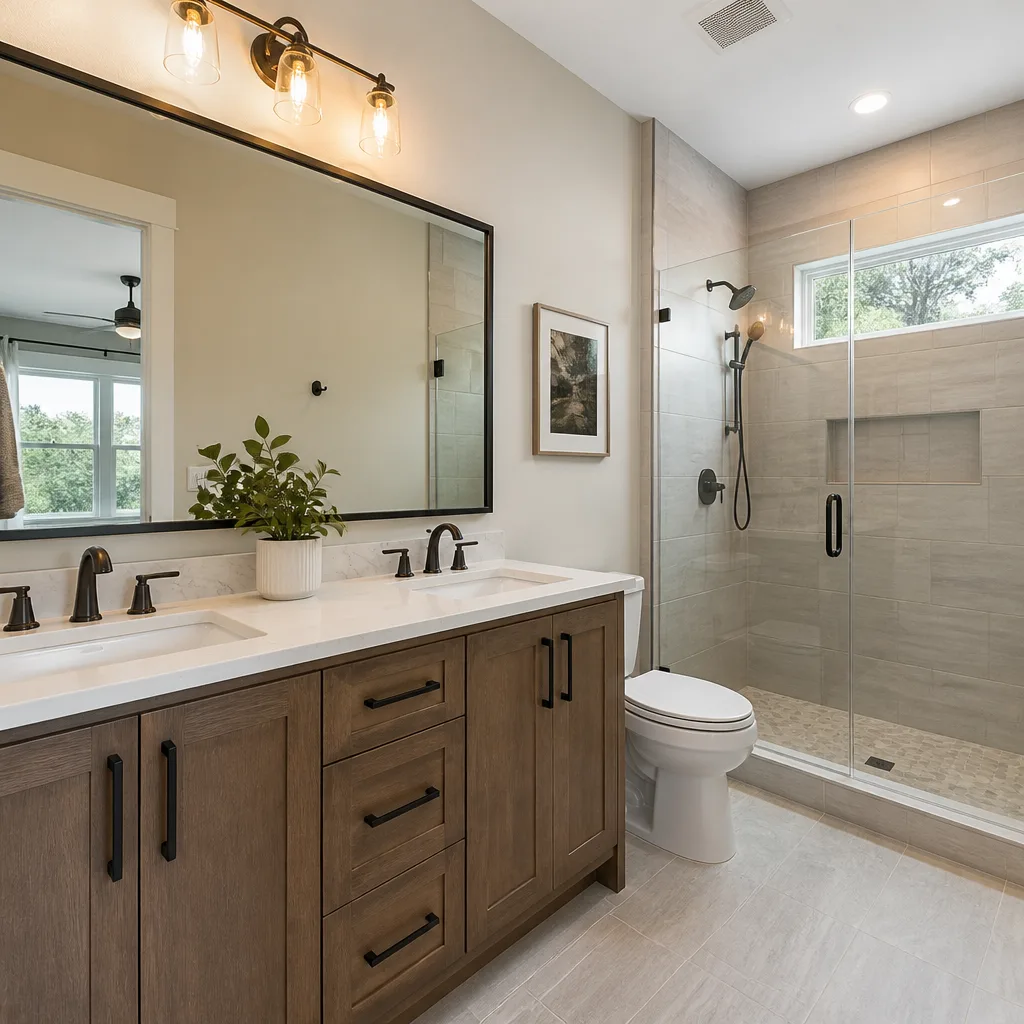 Bathroom remodeling
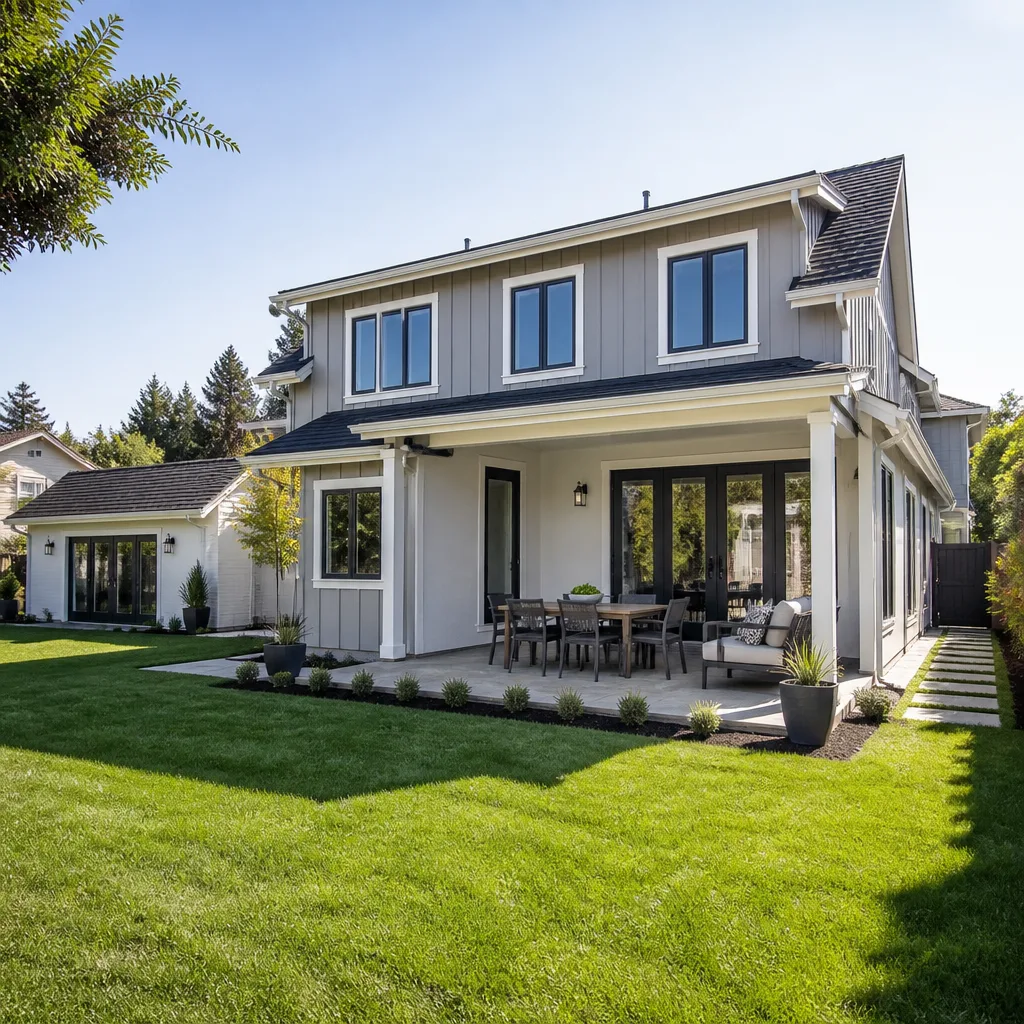 Home additions & ADU
 Roofing
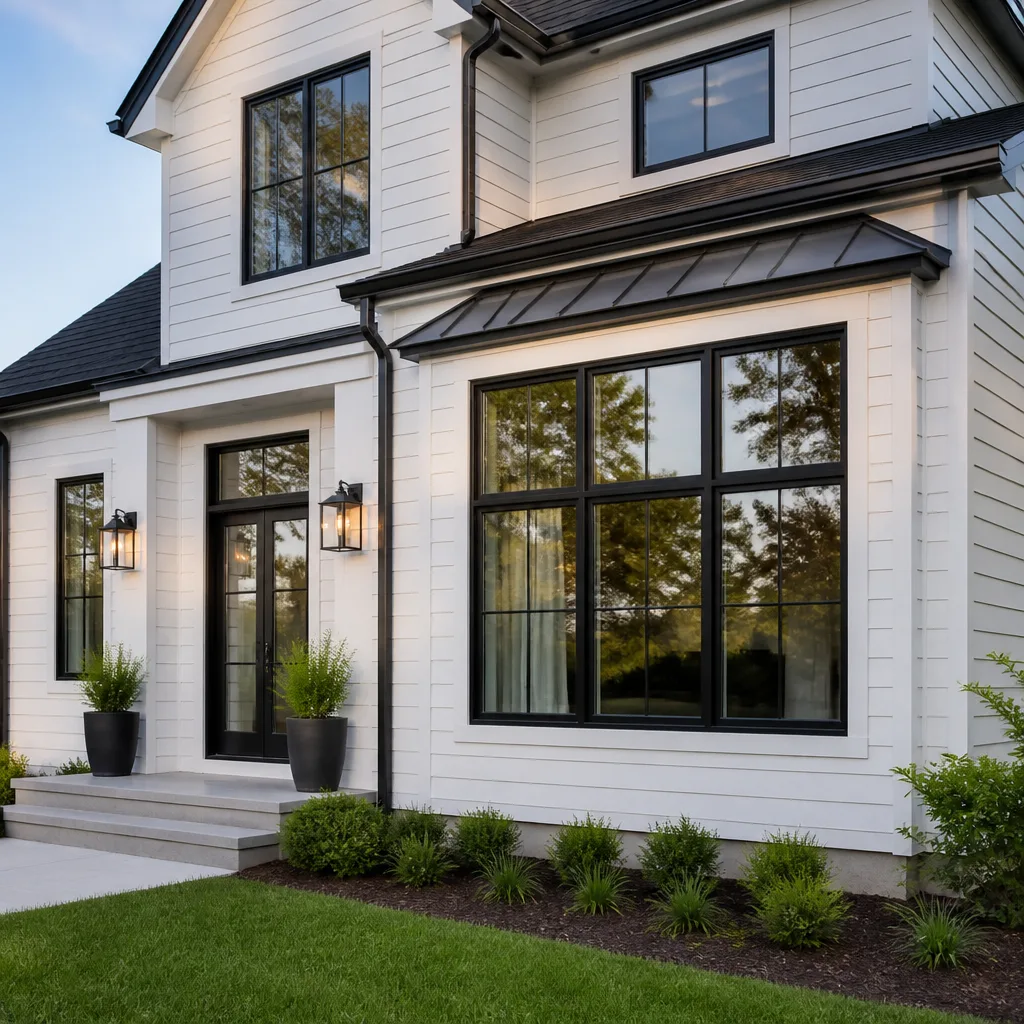 Windows & doors
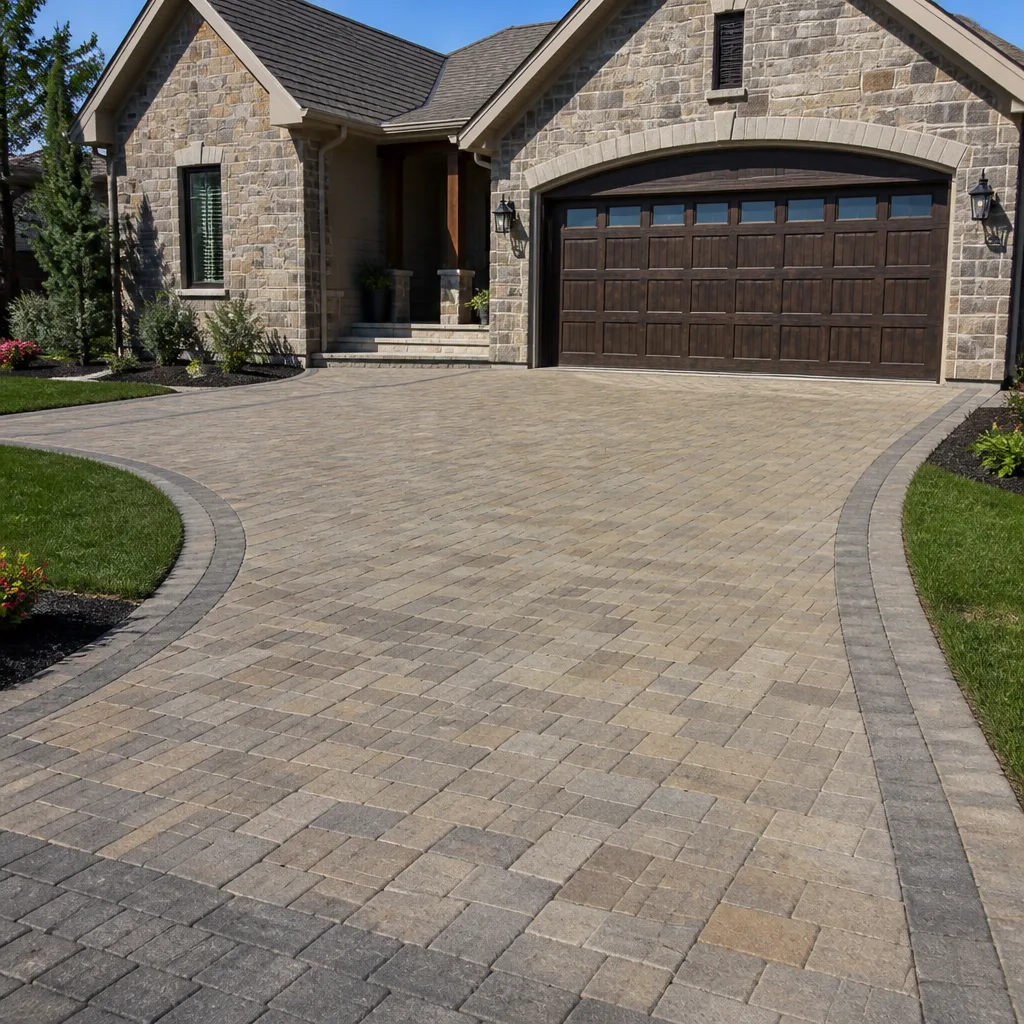 Driveway & pavers
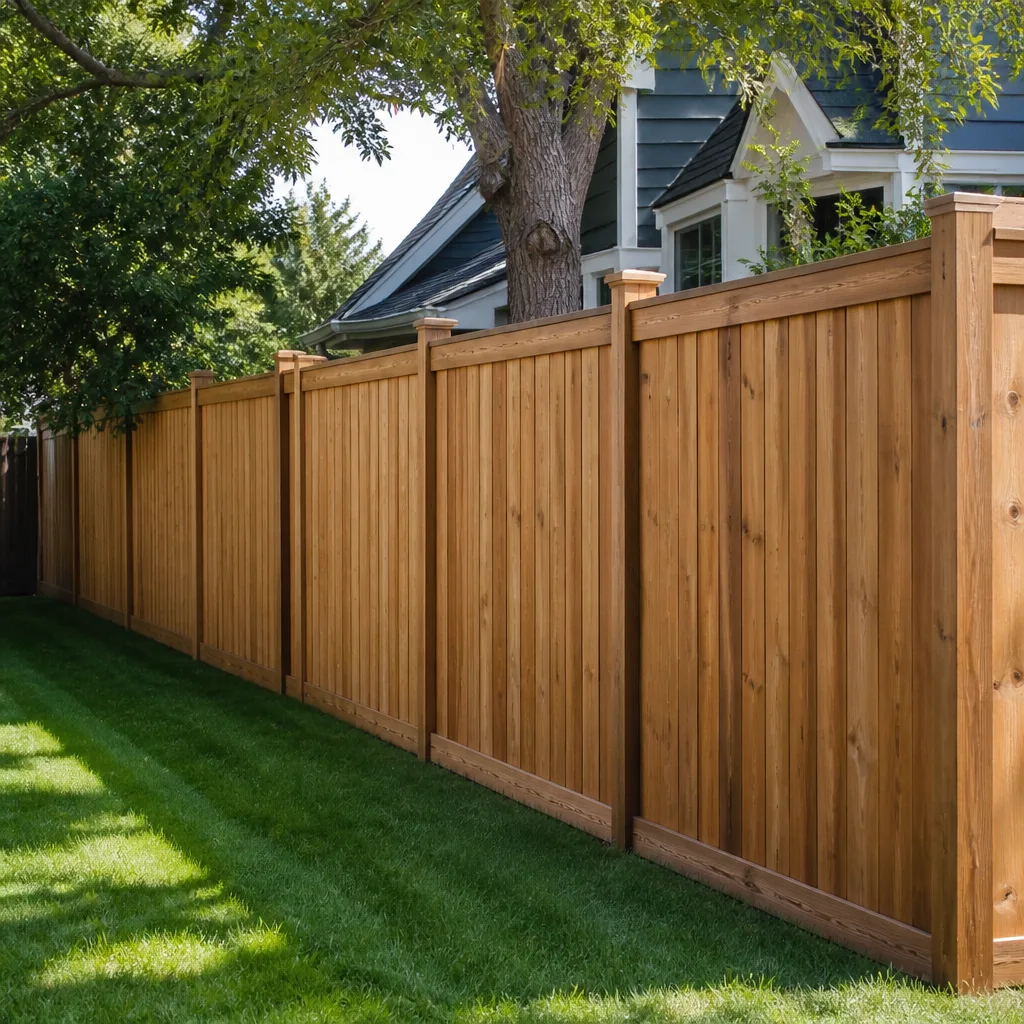 Fence
Free written scope consultation - allowances, timeline, and change-order rules on paper before a single trade is scheduled
How to Hire a Construction Contractor in Lake Forest: A Step-by-Step Guide
Here’s a pattern we see again and again: a Lake Forest homeowner hires a contractor with a gleaming portfolio of Los Angeles County projects, only to watch the job stall at the permit counter. The contractor didn’t know that Lake Forest routes certain plan checks through Orange County agencies, that the city’s HOA density means exterior changes trigger architectural review before the city even looks at them, and that tract-home framing from the 1970s and 1980s hides surprises a Santa Monica remodeler has never opened up. This guide walks you through the hiring process step by step, with emphasis on the verification steps most homeowners skip and the contract language that protects you when the unexpected shows up inside a wall. By the end, you’ll know exactly how to separate a contractor with genuine Lake Forest experience from one who’s learning the city on your dime.
Quick Answer
To hire a construction contractor in Lake Forest, verify the license through the California State License Board (CSLB), confirm the contractor holds a B-General Building license rather than a narrow specialty license, ask for proof of permit pulls specifically within Lake Forest city limits, and require a contract that itemizes scope, payment milestones tied to completed work (not calendar dates), and a written change-order process. See our Choosing the Right Construction Brand: A Buyer’s Guide for Lake Forest for additional guidance on evaluating contractors. Then check the contractor’s HOA coordination experience, because in Lake Forest the architectural committee often reviews plans before Planning does.
Styles & brands we work with
Table of Contents
- Step 1: Verify the License Through the CSLB (and Know Which Type Matters)
- Step 2: Confirm Real Lake Forest Permit History, Not Just Orange County Experience
- Step 3: Ask the HOA Questions Before You Sign Anything
- Step 4: Interview Questions That Expose a Contractor’s Local Knowledge
- Step 5: Read the Contract for Scope Gaps, Not Just the Price
- Step 6: Structure Payments Against Verified Milestones, Not Dates
- Step 7: Account for Lake Forest Tract-Home Construction Realities
Step 1: Verify the License Through the CSLB (and Know Which Type Matters)
Before you ask a contractor anything about tile patterns or cabinet pulls, pull their license. The California State License Board maintains a public database at cslb.ca.gov where you can enter a license number and see the license type, status, issue date, bond information, workers’ compensation coverage, and any disciplinary actions. Do this before the first phone call, not after you’ve spent three weeks designing a kitchen together. A suspended license, an expired bond, or a history of complaints should end the conversation immediately.
The license type matters more than most homeowners realize in Lake Forest. California issues two categories that matter for residential work:
- B – General Building Contractor: Authorized to take a project from framing through finish work, including subcontracting specialty trades under one agreement.
- C-licenses (specialty): C-6 for cabinetry, C-36 for plumbing, C-54 for tile, and dozens of others. Each covers one trade only.
If you’re planning a kitchen remodel that involves moving a wall, reconfiguring plumbing, and replacing windows, a cabinet contractor with a C-6 license cannot legally pull the permit for the structural and plumbing work. They’d need to bring in a general contractor, which means coordinating two contracts, two schedules, and two points of failure. A full-scope general contractor like Square Deal Contractors holds the B-General license and manages every phase under one agreement, from roofline to backyard. That single-point accountability is what keeps a multi-room remodel from turning into a three-way blame game between trades.
Step 2: Confirm Real Lake Forest Permit History, Not Just Orange County Experience
Orange County is not one permitting environment. Lake Forest runs its own building division with its own plan check turnaround times, its own inspectors, and its own quirks about what triggers additional review. A contractor who pulls permits in Anaheim or Santa Ana every week has never navigated the specific submission requirements, resubmission cycles, and inspector schedules in Lake Forest. That inexperience shows up as weeks of delays you didn’t budget for.
Here’s what to ask for during the interview (we’ll cover the questions in Step 4 in more detail):
- Addresses of completed Lake Forest projects. Ask for at least two or three within city limits, not just “Orange County.” A contractor who has pulled permits in Lake Forest can name specific streets, specific inspectors, and specific plan checkers. One who hasn’t will talk in generalities.
- Permit numbers or project addresses you can verify. The city’s online permit portal allows you to look up permit history by address. If the contractor gives you addresses, you can check whether permits were actually pulled and when final inspection passed.
- Timeline expectations specific to Lake Forest. Ask how long the city typically takes for plan check on a kitchen remodel versus an addition. A contractor with local history answers with a range like “three to five weeks depending on resubmission.” A contractor without it says “the city’s pretty fast, should be a couple weeks.”
In our experience as a general contractor serving Lake Forest, the plan check timeline varies meaningfully by project type. A straightforward bathroom remodel with no structural changes might clear in a few weeks. An addition that requires structural engineering and energy compliance review can take two months or more. Your contractor should be able to tell you which category your project falls into before you sign.
Step 3: Ask the HOA Questions Before You Sign Anything
Lake Forest has one of the highest HOA densities in Orange County. Neighborhoods like Foothill Ranch, Baker Ranch, Portola Hills, and the Lake Forest Keys all operate under active associations with architectural review committees. Exterior changes, window replacements, fencing, hardscape work, even the color of your front door can require written approval before the city issues a permit. Some HOAs operate on a 30-day review cycle. Others take 60. That review happens before the city plan check, which means your timeline has two sequential approval layers, not one.
When a contractor says “don’t worry, we’ll handle the HOA,” that’s a yellow flag until they can describe exactly what handling means. Here’s what a documented HOA process looks like:
- Application preparation. The contractor assembles the architectural submission package: plans, elevations, material samples, paint chips, site drawings showing setbacks and sight lines from the street.
- Submission and tracking. The application goes to the management company with a tracked submission date and a named point of contact. The contractor follows up at the 30-day mark if no response.
- Revision handling. If the committee requests changes, the contractor revises the plans and resubmits, without charging you a change order for the revision.
- Approval documentation. The approval letter goes into the project file and gets referenced in the permit application to the city.
If a contractor cannot walk you through that sequence by name, they’re going to learn it on your timeline. Square Deal Contractors has coordinated HOA submittals across Lake Forest’s association landscape, and we build that review period into the project schedule from day one rather than treating it as a surprise delay when the committee takes 45 days to respond.
Step 4: Interview Questions That Expose a Contractor’s Local Knowledge
General interview questions (“How long have you been in business?” “Can you provide references?”) tell you almost nothing. A contractor with 20 years in Temecula can answer those questions flawlessly and still get blindsided by Lake Forest’s permit workflow. The questions that separate local competence from general competence are specific. Here are the ones we recommend, with what a strong answer sounds like:
“Can you give me the addresses of two Lake Forest projects where you pulled permits in the last two years?”
A strong answer includes specific addresses or at least specific neighborhoods with enough detail that you can look them up: “We did a kitchen remodel in Foothill Ranch off Portola Parkway earlier this year, and a full exterior renovation in the Lake Forest Keys on Toledo Way.” A weak answer is “we’ve done a lot of work around Orange County.” Specificity is the test.
“Walk me through what the city required on your last Lake Forest project that was different from what you’d submit in, say, Irvine or Mission Viejo.”
This question separates direct experience from secondhand knowledge. A contractor who has actually pulled permits in Lake Forest can describe something concrete: a specific detail about the plan check process, a particular inspector’s focus area, a requirement for energy compliance documentation that differed from a neighboring city’s. A contractor without that experience will give you a vague answer about “every city is a little different.” The difference is everything.
“How do you coordinate with Lake Forest HOAs on exterior work?”
The answer should include the four-step process we outlined above, or something close to it. If the contractor says “the homeowner handles the HOA, I just do the construction,” understand what that means: you are now the project coordinator between the HOA, the city, and the contractor. You are hiring a general contractor precisely so that you don’t have to be that person.
“What’s the most common delay you see on Lake Forest projects, and how do you prevent it?”
A contractor with direct experience answers with something specific: plan check resubmission cycles, HOA review timelines, or hidden conditions in tract-home framing being the top three. A contractor without it says “weather” or “subs not showing up,” which are generic across every market. The delay profile in Lake Forest is specific, and your contractor should know what it looks like.
Step 5: Read the Contract for Scope Gaps, Not Just the Price
Most homeowners read a construction contract the way they read a restaurant menu: they scan for the total and skip everything else. That’s the most expensive reading habit in residential remodeling. The scope section of a Lake Forest construction contract is where you’ll find out whether the contractor is actually going to do what you discussed, or whether they’re pricing the easy version and will change-order the rest once the walls come down.
A scope gap is a line item that should be in the contract but isn’t. When the work hits that gap, the contractor says “that’s not in the scope” and issues a change order, which is a legal way of saying “this will cost more.” The most common scope gaps in Lake Forest tract-home renovations include:
- Hidden condition remediation. Homes built in the 1970s and 1980s in neighborhoods like El Toro and along Trabuco Road frequently contain asbestos in original flooring, lead paint under layers of latex, cast-iron drain pipes that have corroded, and aluminum wiring in some pocket areas. Your contract should specify what happens when these conditions are discovered: who tests, who remediates, and who pays. If the contract doesn’t mention hidden conditions at all, assume every surprise becomes a change order.
- Structural modifications on interior walls. If the project involves removing or altering any wall, the contract should state explicitly whether that wall is assumed to be load-bearing or non-load-bearing, and what the cost adjustment is if the assumption proves wrong during framing inspection. Tract homes in Lake Forest often have non-obvious load paths; a wall that looks non-structural can be carrying a roof beam.
- Finish material allowances. If the contract lists “cabinetry: included” without naming a brand, a tier, or a dollar allowance, the included cabinetry is whatever the contractor’s lowest-cost supplier carries. That’s how a $40,000 kitchen ends up wearing particle-board boxes with thermofoil doors. The contract should specify brands and tiers, which is why Square Deal sources from a vetted portfolio of more than 50 industry brands spanning premium and value tiers within each category. You should see actual names: KraftMaid or Wellborn for cabinetry, Cambria or Caesarstone for countertops, Kohler or Grohe for fixtures.
- Permit and inspection responsibilities. The contract should state explicitly that the contractor pulls all required permits, schedules all inspections, and is responsible for corrections noted during inspection. Some contracts bury this in fine print or omit it entirely, which leaves you exposed if the city finds unpermitted work.
The Square Deal name is a standing operational commitment to transparent scoping and honest pricing. That means the contract we put in front of a Lake Forest homeowner specifies scope clearly enough that latent conditions, material substitutions, and inspection corrections are addressed before the first hammer swings, not negotiated after the fact. You should hold any contractor you interview to that same standard.
Step 6: Structure Payments Against Verified Milestones, Not Dates
The payment schedule in a construction contract is where trust meets money. A schedule tied to calendar dates (“payment due on the 15th of each month”) is a red flag. It means the contractor gets paid on schedule regardless of whether work is actually progressing on schedule. A schedule tied to verified milestones means the contractor gets paid when work is actually completed and inspected. Here’s what milestone-based payment looks like on a Lake Forest remodel:
- Deposit (10 – 15% at contract signing). In California, the legal maximum down payment for home improvement contracts is 10% or $1,000, whichever is less, per the CSLB. If a contractor asks for 30% or 50% upfront, they’re either unaware of the law or knowingly violating it. Either way, walk.
- Permit approval (10 – 15%). Paid when the city of Lake Forest issues the permit, which means plans have cleared plan check and the project is real.
- Framing and rough-in completion (25 – 30%). Paid after the framing inspection passes, with plumbing, electrical, and HVAC rough-in complete. This is a verified milestone: the city inspector has signed off.
- Drywall and finish work (20 – 25%). Paid after drywall inspection passes or after finish carpentry and cabinetry are installed, depending on project type.
- Final walkthrough and punch list completion (10 – 15%). Paid after the final inspection passes and the punch list items are resolved.
Never pay the full balance before final inspection. A contractor who needs 100% of the contract value before the city signs off on the final inspection has no financial incentive to finish the job. Hold back at least 5 – 10% until the final inspection is on record. This is standard practice among Lake Forest general contractors who expect to work in this city again, and any hesitation about it should be a red flag.
Step 7: Account for Lake Forest Tract-Home Construction Realities
Most of Lake Forest’s housing stock was built in two waves: the 1960s through 1980s (Lake Forest I and the original El Toro neighborhoods) and the 1990s through 2010s (Foothill Ranch, Baker Ranch, Portola Hills). Each wave has its own construction DNA, and a good Lake Forest contractor knows how to read it. A contractor who’s never opened a wall in a 1978 tract home in the Keys is going to discover things the hard way, and you’ll pay for the learning curve.
The older stock presents specific challenges: galvanized steel supply lines that have corroded internally, reducing flow to a trickle; cast-iron drain waste and vent lines with rust scale that’s narrowed the pipe diameter; single-pane aluminum windows with failed seals; and roof sheathing that’s seen forty years of temperature swings. None of this is a reason to avoid remodeling an older Lake Forest home, but it’s a reason to hire a contractor who knows these conditions are likely and budgets accordingly from day one rather than treating each discovery as an emergency.
The newer stock has its own profile. Production-built homes in Foothill Ranch and Baker Ranch were constructed quickly during boom periods, and quality varies builder to builder and phase to phase. Common findings include undersized HVAC returns, minimal attic insulation, and exterior details that were value-engineered. Again, none of this should stop a remodel, but the contractor should know it’s coming.
This is where full-scope capability matters. Square Deal Contractors is a Square Deal Contractors home general contractor, not a specialist in one trade. When we open a wall and find the plumbing needs more work than the permit drawings anticipated, we’re already managing that trade under our contract. The homeowner doesn’t have to call a separate plumber, renegotiate a separate scope, and absorb a separate markup. One contractor, every phase.
Common Mistakes to Avoid
- Hiring based on price alone. The low bid in Lake Forest is often low because the contractor hasn’t accounted for the permit timeline, the HOA review cycle, or the hidden conditions in your specific housing stock. The savings evaporate in change orders.
- Assuming a specialty license covers a full remodel. A C-6 cabinet contractor or a C-54 tile contractor cannot legally pull a permit for a remodel that involves structural, plumbing, or electrical changes. You’ll end up with two contracts and two points of failure.
- Signing a contract without reading the scope section. The scope section is where the contractor tells you what they’re actually going to do. Skip it and every excluded item becomes a change order you didn’t see coming.
- Agreeing to a payment schedule tied to dates rather than milestones. Date-based schedules decouple payment from progress. Milestone-based schedules tie your money to verified work, which is the only honest structure.
- Trusting “we’ll handle the HOA” without a documented process. In Lake Forest, HOA review can add 30 – 60 days before the city even looks at your plans. A contractor without a documented process will treat that delay as your problem.
- Skipping the CSLB license check. The database is free and public. It takes four minutes. Use it before you spend four months on a renovation.
- Hiring a contractor with no Lake Forest permit history. Orange County is not one market. The city’s plan check process, inspector expectations, and HOA landscape are specific. You want a contractor who’s navigated them before.
See the difference
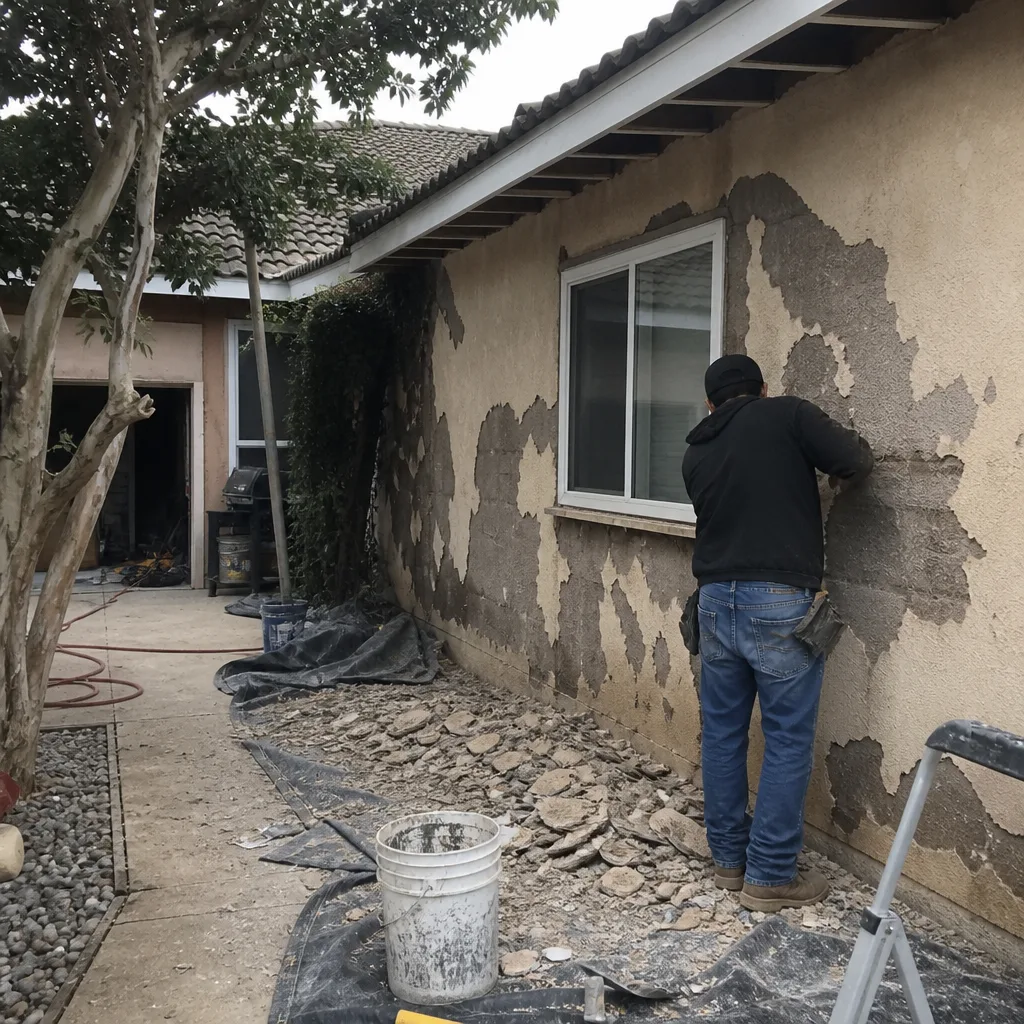 Before
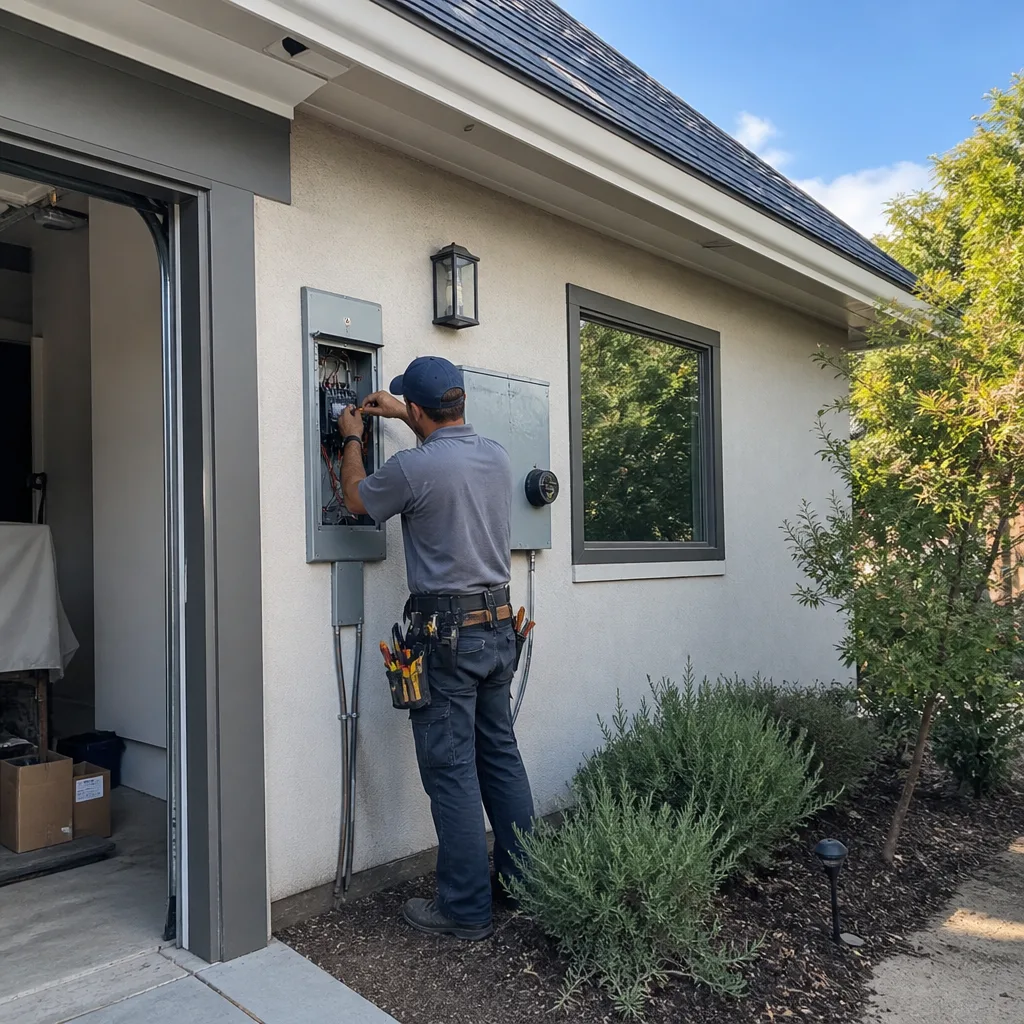 After
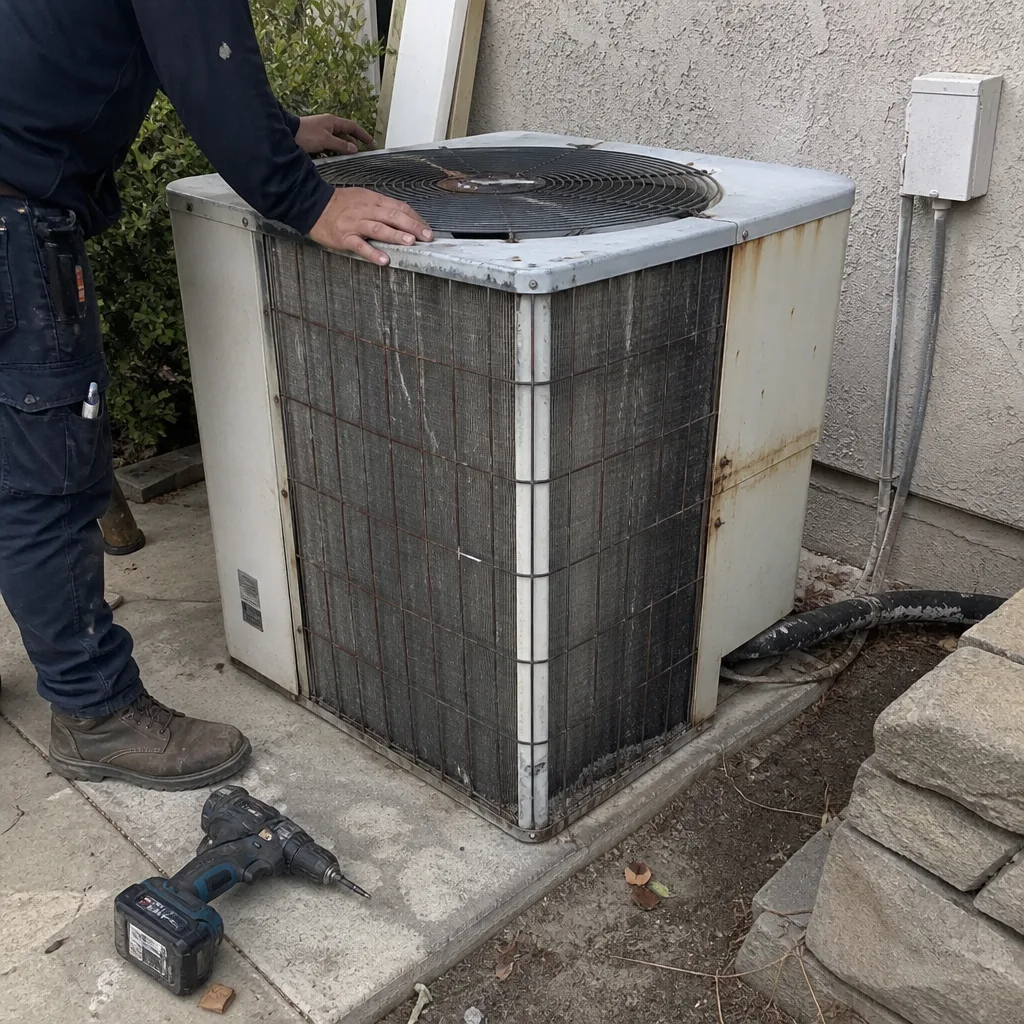 Before
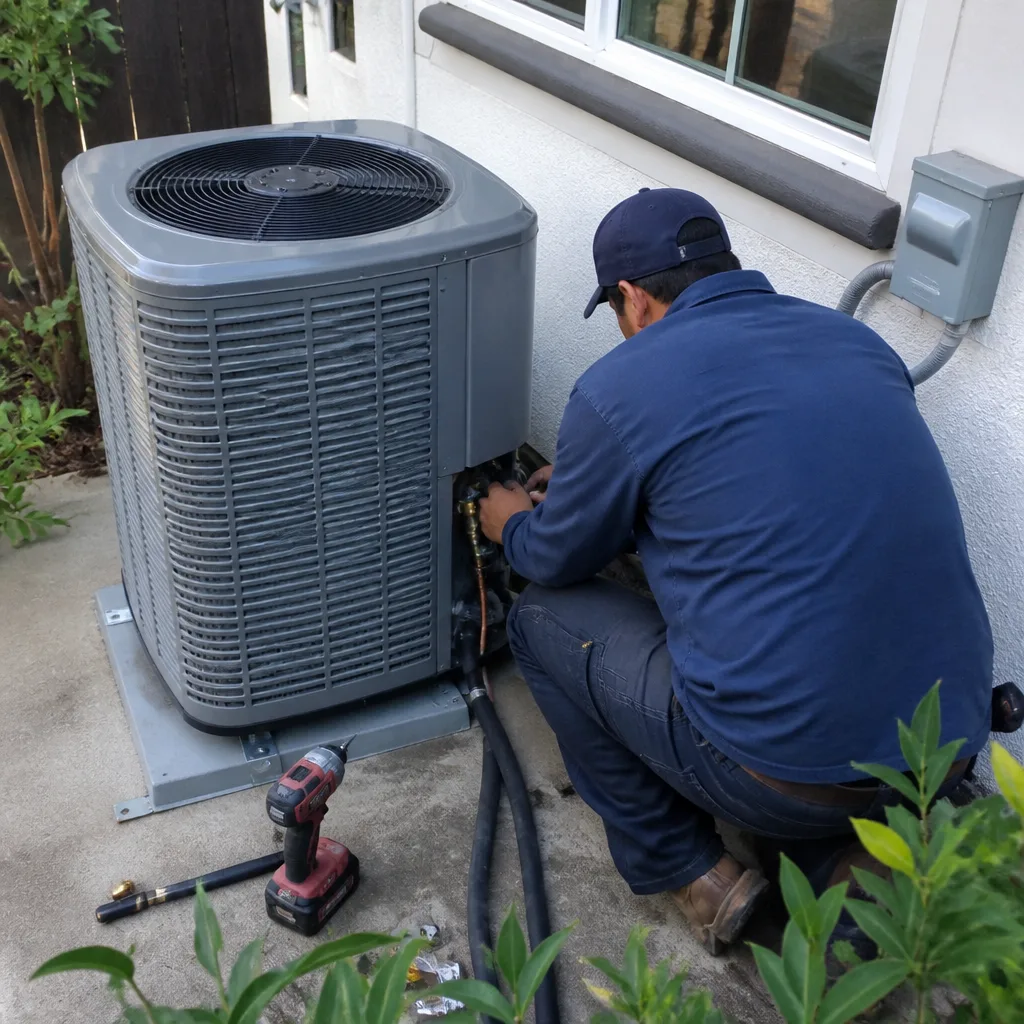 After
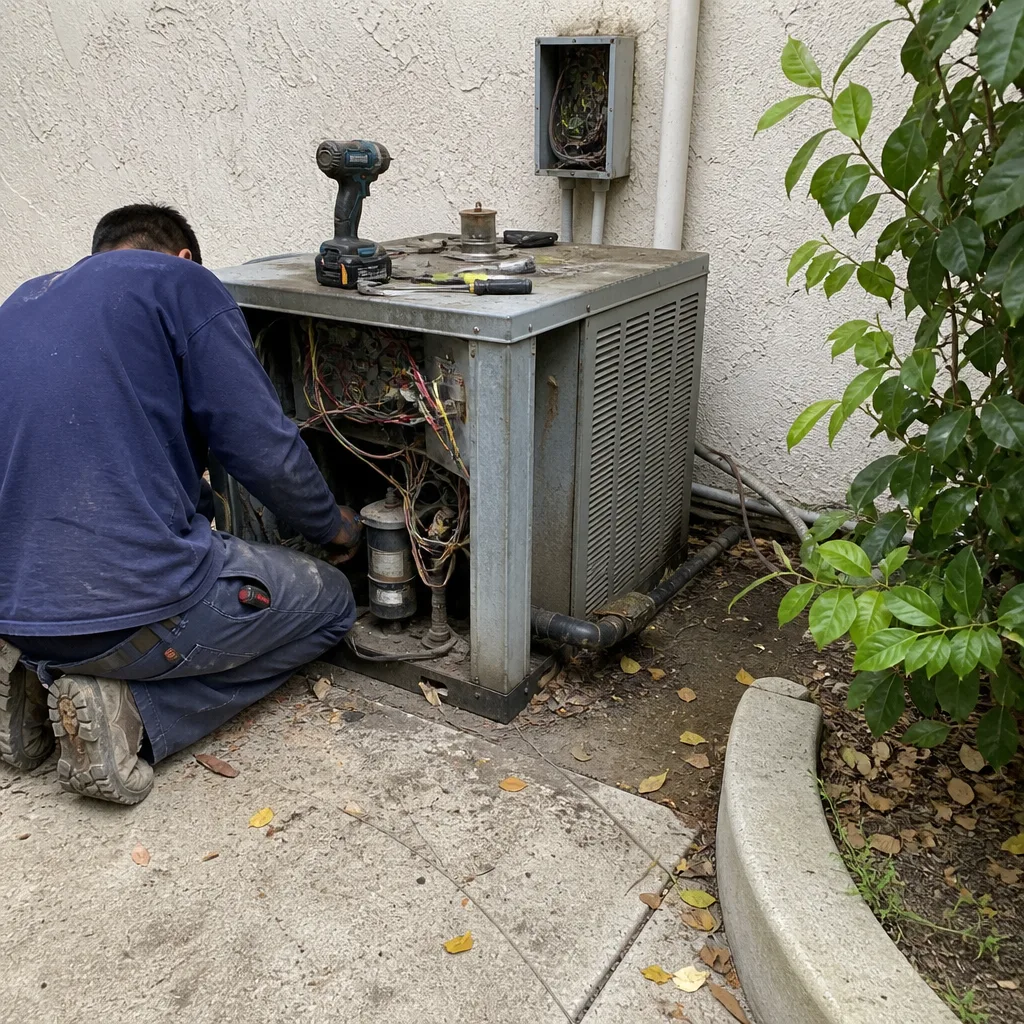 Before
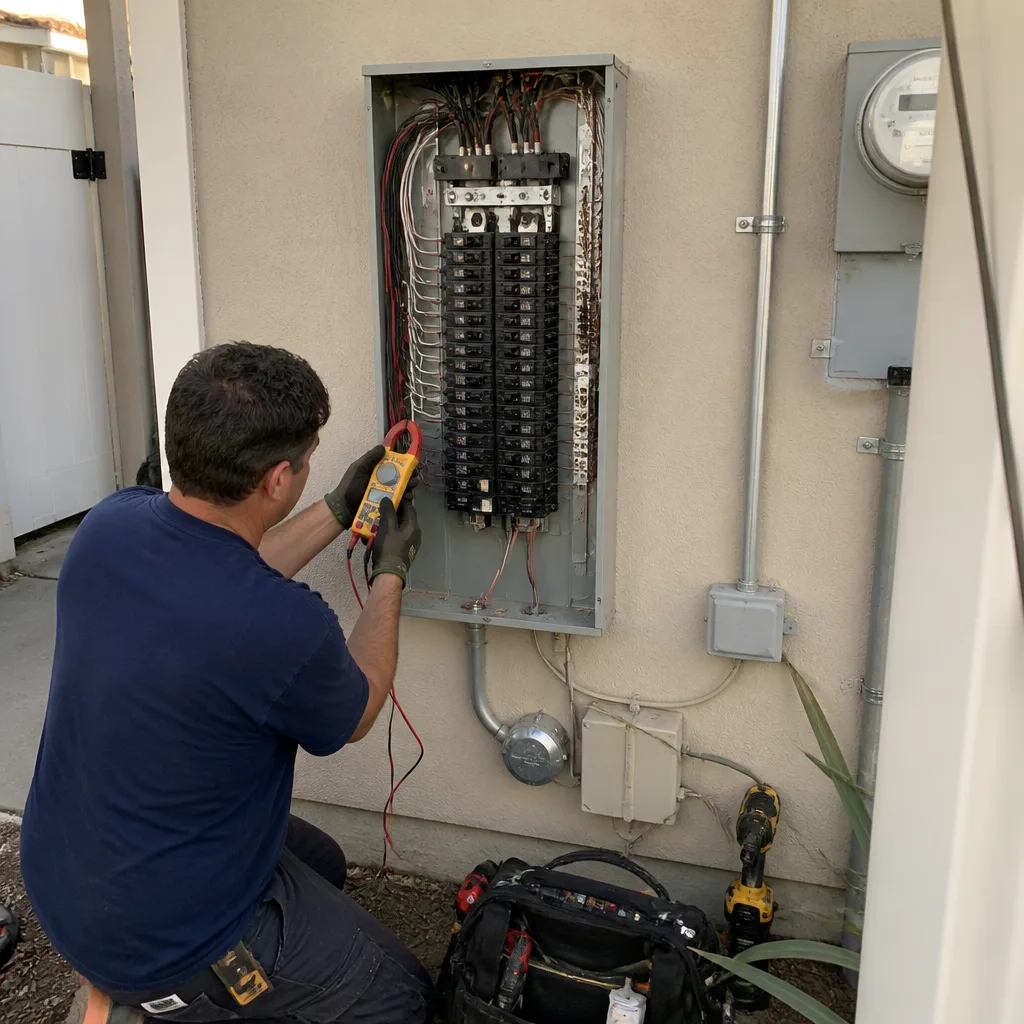 After
When to Call a Professional
You should call a professional at the point where your project involves a permit, and in Lake Forest that threshold is lower than many homeowners realize. Any structural change, any electrical or plumbing modification beyond fixture replacement, any window or door replacement, any exterior alteration that touches the home envelope or the hardscape: all of these trigger either city review or HOA review or both. If your project includes multiple trades (carpentry, plumbing, electrical, tile, glass), the case for a single general contractor is even stronger. Coordinating three specialty contractors through the Lake Forest permit and inspection process is a part-time job you didn’t ask for. Square Deal Contractors offers free estimates in Lake Forest, and we’ll walk through your project scope, the likely permit timeline, and the HOA requirements before you commit to anything. Call (866) 623-7205 to schedule yours.
Frequently Asked Questions
General contractor fees in Lake Forest typically run 15 – 20% of the total project cost for full-scope management, though the exact percentage depends on project size, complexity, and the level of finish specified. A full kitchen remodel in Lake Forest commonly lands between $45,000 and $85,000 depending on material tiers, and a primary bathroom remodel between $25,000 and $50,000. The contractor fee buys you permitting, trade coordination, schedule management, and single-point accountability, which is why hiring a B-General contractor costs more than managing trades yourself and saves money in the long run. Call (866) 623-7205 for a line-item estimate on your specific project.
Plan check turnaround in Lake Forest typically runs two to six weeks depending on project type and whether the application requires structural or energy compliance review, with resubmission cycles adding time if corrections are needed. For a deeper look at managing your project through every season, read our Seasonal Construction Care for Lake Forest: Year-Round Homeowner’s Guide. HOA architectural review, which precedes the city permit on exterior work in most Lake Forest neighborhoods, adds another 30 – 60 days. Your contractor should be able to give you a realistic combined timeline before you sign.
For exterior work in most Lake Forest neighborhoods, yes. The city typically requires evidence of HOA architectural approval before processing permits for exterior changes, window replacements, fencing, and hardscape work. Interior remodels that don’t touch the exterior or the unit envelope may not trigger HOA review, but any change visible from the street probably will. Your contractor should know which category your project falls into and handle the submission accordingly.
A general contractor performing full-scope residential remodeling in California should hold a B-General Building license from the CSLB. This license authorizes the holder to manage multiple trades under one contract and pull permits for structural, plumbing, electrical, and finish work. A C-license authorizes one specialty trade only. Check the license type, status, and any disciplinary history at cslb.ca.gov before hiring.
Ask for addresses of completed Lake Forest projects from the last two years, then look up those addresses in the city’s online permit portal or contact the city’s building division directly. Permit records are public, and they tell you whether the contractor actually pulled permits in Lake Forest, when the permits were issued, and when final inspection passed. A contractor with genuine local history will give you this information freely.
Homes built in the 1960s through 1980s in Lake Forest commonly contain galvanized steel supply lines with internal corrosion, cast-iron drain pipes with scale buildup, asbestos in original flooring, lead paint under newer coats, and aluminum wiring in some pocket areas. Your contract should address how these conditions are handled when discovered, including who tests, who remediates, and how cost adjustments work. A contractor with direct Lake Forest tract-home experience knows these conditions are likely and plans for them, rather than treating each one as a surprise change order.
The Bottom Line
Hiring a construction contractor in Lake Forest is a verification exercise before it’s a selection exercise. Verify the license through the CSLB and confirm it’s a B-General license for full-scope work. Verify actual permit history inside Lake Forest city limits, not just Orange County generally. Verify the contractor’s HOA process by asking them to walk through their documented workflow. Read the contract scope section line by line, looking for the exclusions that will become change orders. Structure payments against verified milestones, not calendar dates. And account for the specific realities of Lake Forest’s tract-home stock, which varies meaningfully between the 1970s neighborhoods and the 2000s developments. Do those things in that order, and you’ll hire a contractor who knows your city, knows your permit process, and knows what’s hiding inside your walls. Skip them, and you’ll pay for someone else’s learning curve.
Square Deal Contractors serves Lake Forest with full-scope general contracting across kitchens, bathrooms, roofing, windows and doors, fencing, hardscaping, and ADU and prefab structures. We’ve also worked extensively as a General Contractor in Placentia and offer Home Remodeling in Placentia and Home Renovation in Placentia, giving us deep experience across the surrounding Orange County market as well. From roofline to backyard, we’ll tell you exactly what you’re getting and why. Call (866) 623-7205 for a free estimate, and we’ll walk you through the permit timeline, the HOA requirements, and the scope before you sign anything.
Written by the team at Square Deal Contractors, serving Lake Forest since 2013.