Last updated October 30, 2026
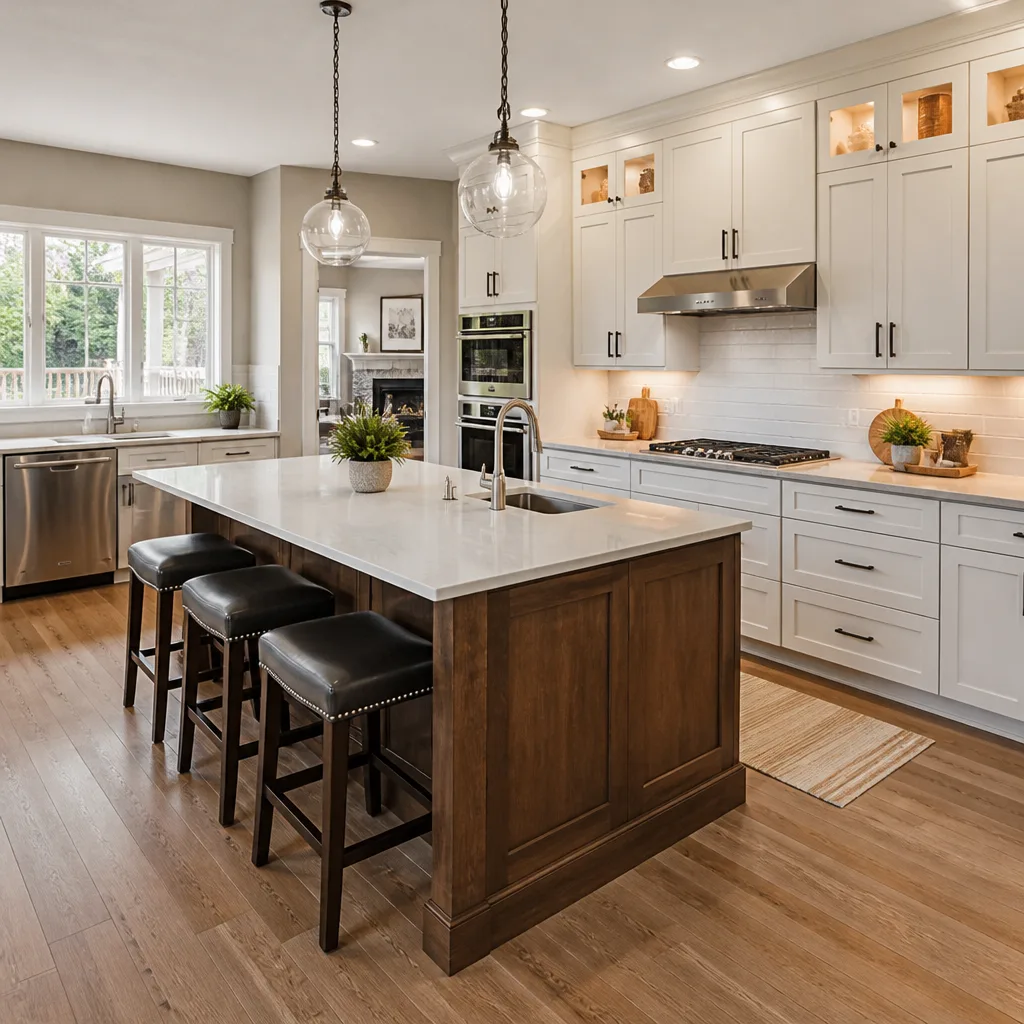 Kitchen remodeling
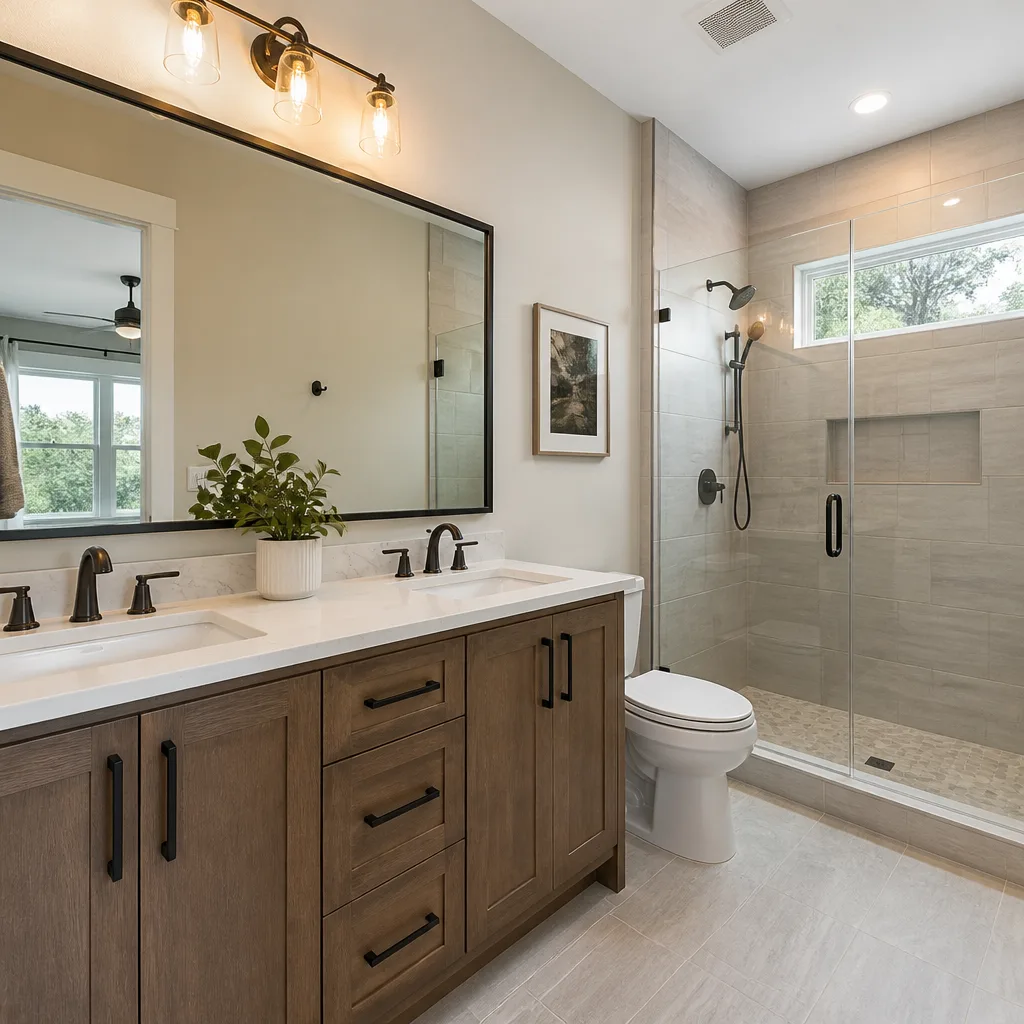 Bathroom remodeling
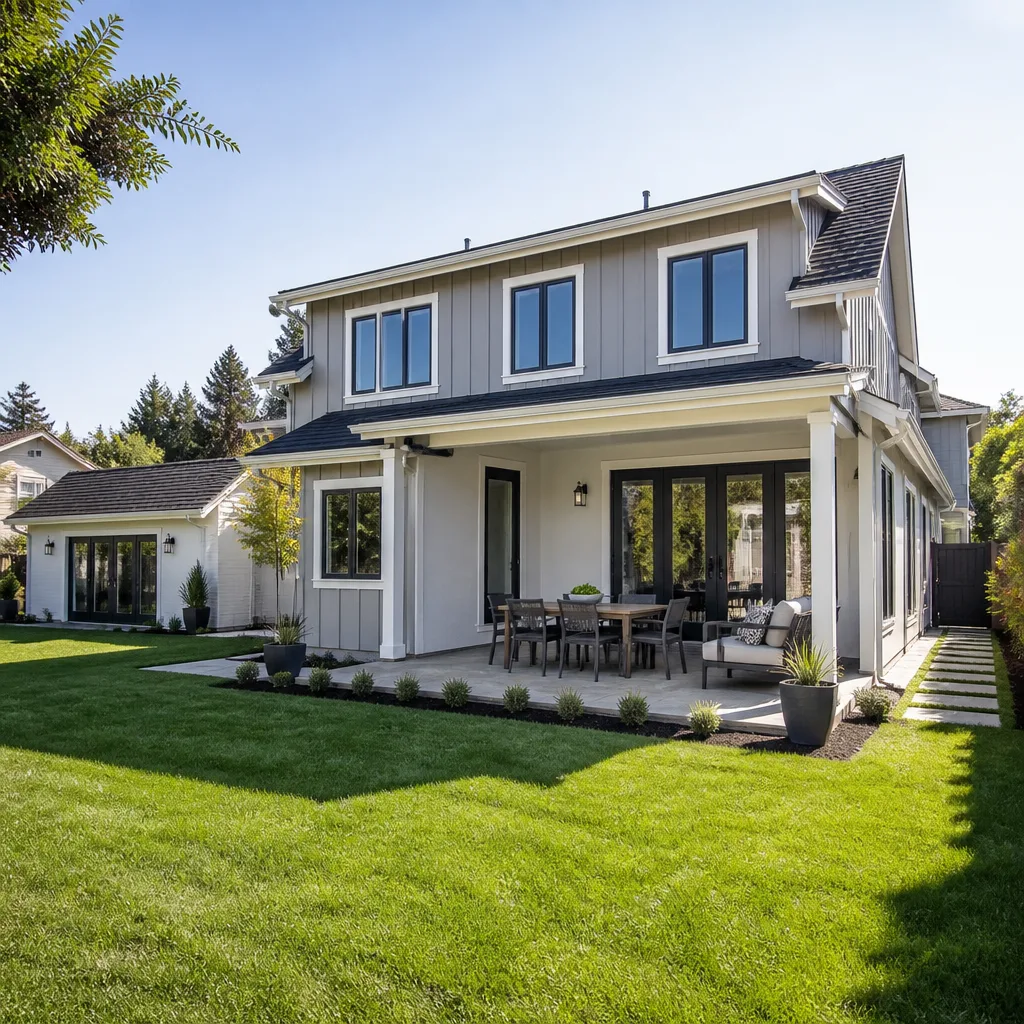 Home additions & ADU
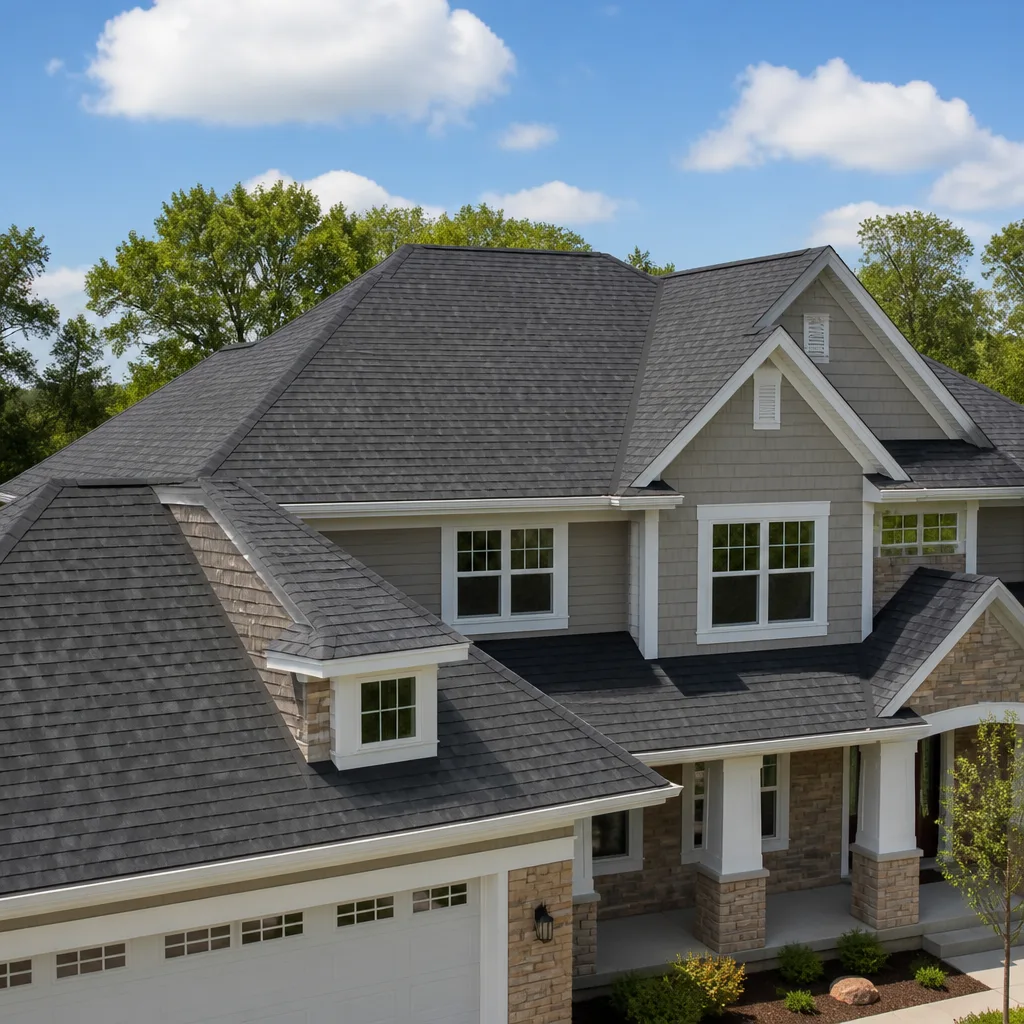 Roofing
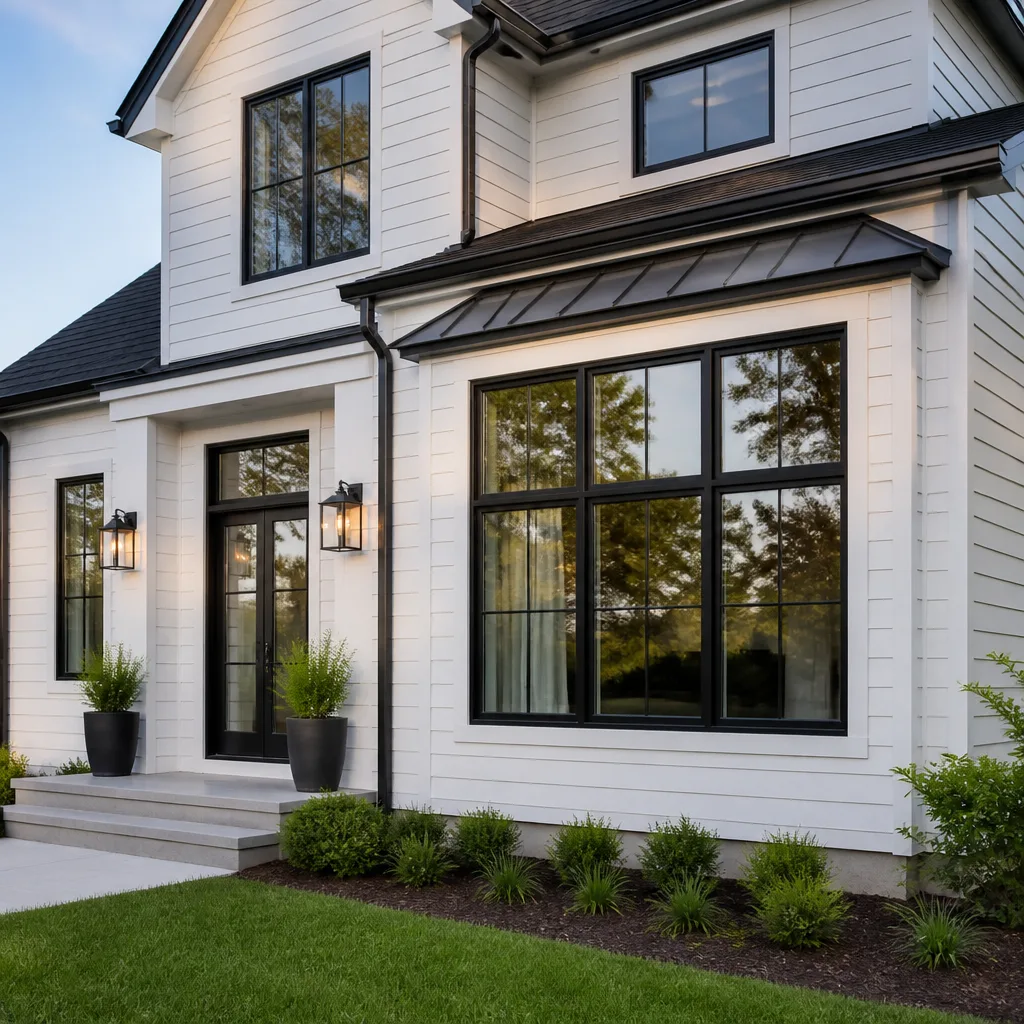 Windows & doors
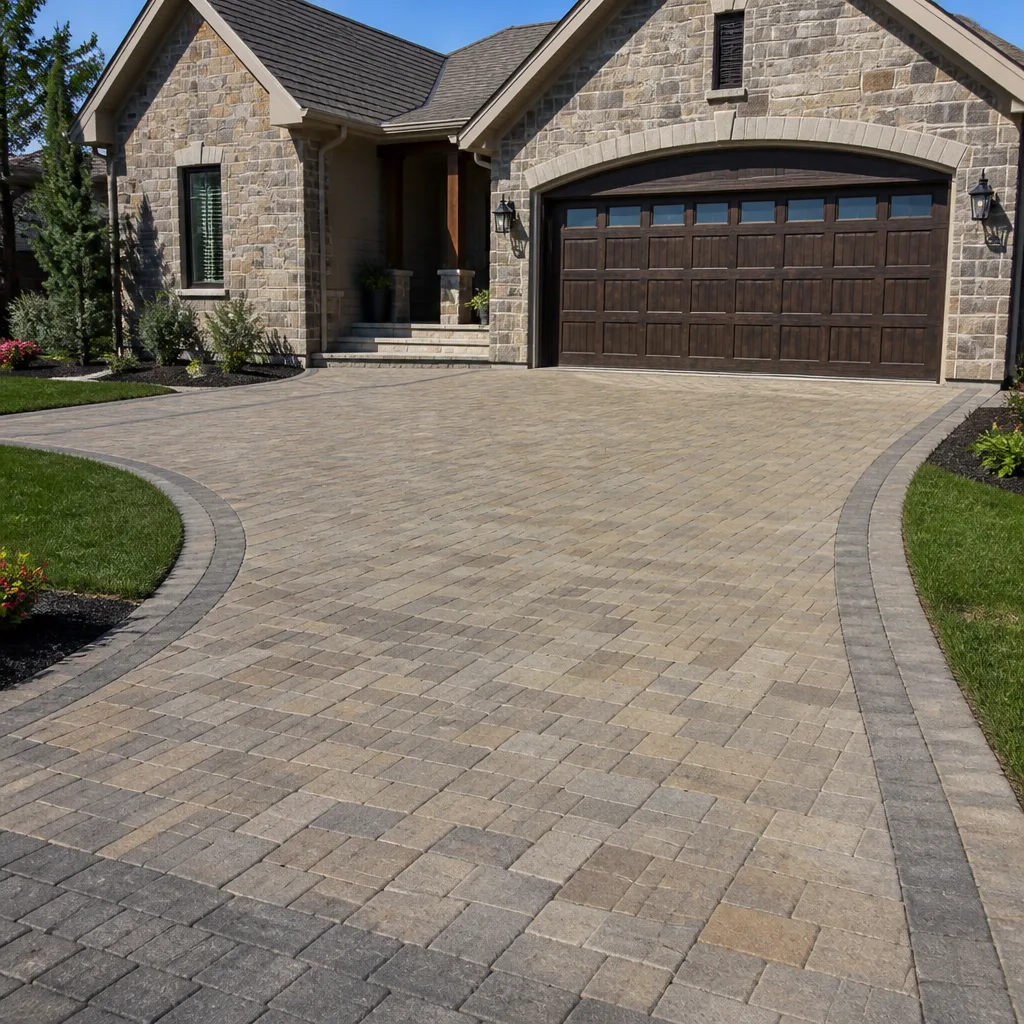 Driveway & pavers
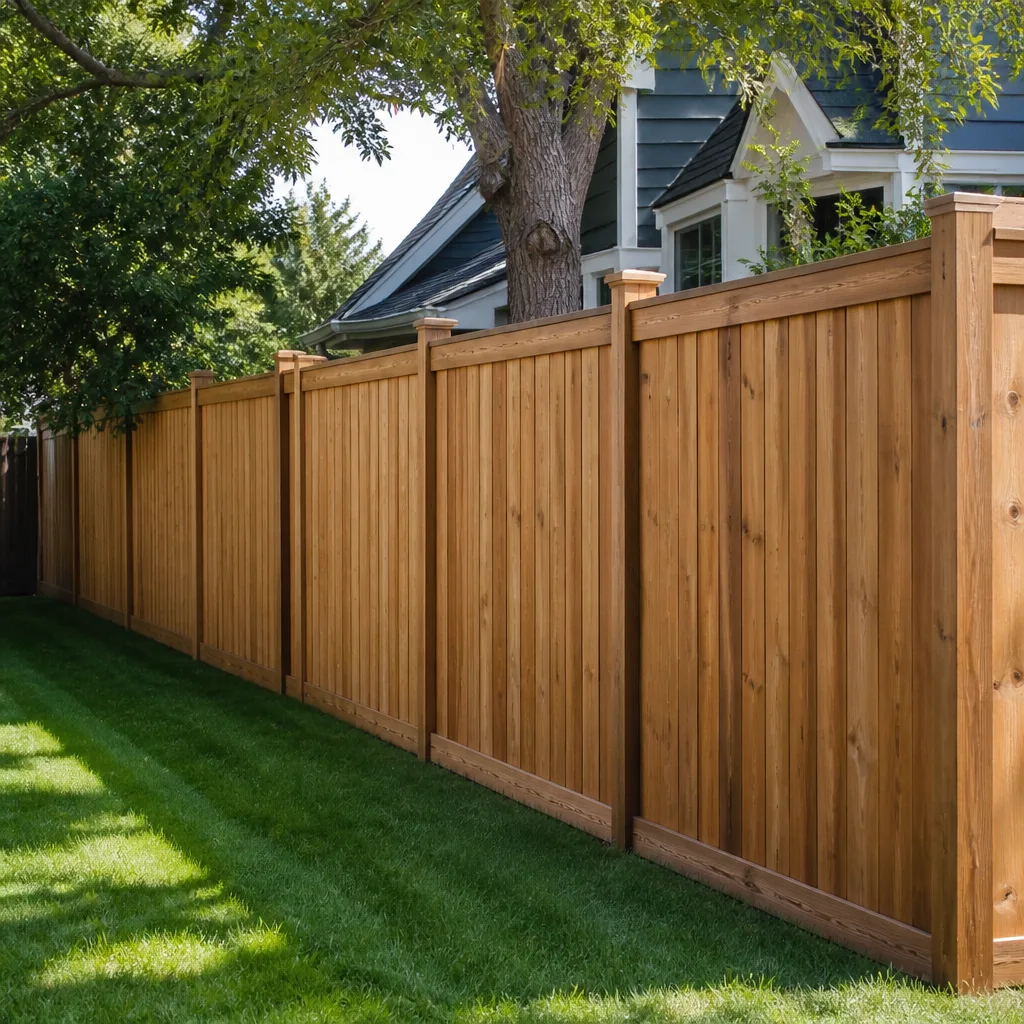 Fence
Free written scope consultation - allowances, timeline, and change-order rules on paper before a single trade is scheduled
Choosing the Right Construction Brand: A Buyer’s Guide for Lake Forest
A window brand that earns glowing reviews in Seattle can fail in Lake Forest within five years. The reason isn’t a manufacturing defect. It’s that the product was never designed for our specific climate: 280 days of sun, UV indexes that climb past 10 through summer, single-digit humidity during Santa Ana events, and wind gusts that sandblast exterior surfaces. This guide explains how to evaluate construction brands for a Lake Forest remodel, which product categories actually reward careful brand selection, and how smart homeowners cut through marketing noise to find materials that hold up here. For more guides & resources, see our blog.
Styles & brands we work with
Quick Answer
For Lake Forest homeowners, the right construction brand is one with verified performance data in Southern California’s UV-heavy, low-humidity climate, a warranty that covers our specific failure modes, and a finish profile that clears Lake Forest HOA architectural review. Our Complete Guide to Construction in Lake Forest covers the full project planning process in more detail. Category matters more than brand prestige: roofing, windows, and siding demand careful brand selection, while interior fixtures and hardware reward spec-matching over name recognition.
Table of Contents
- Why Brand Selection Matters More in Lake Forest Than Most Markets
- Which Product Categories Actually Reward Brand Research
- The Warranty Reality: Manufacturer vs. Contractor-Backed Coverage
- How Lake Forest HOA Guidelines Shape Brand Choices
- What a Vetted Contractor Sees That Consumer Reviews Miss
- Brand Tiers: Matching Materials to Your Actual Budget
- A Step-by-Step Process for Evaluating Any Construction Brand
- Common Mistakes to Avoid
- When to Call a Professional
- Frequently Asked Questions
- The Bottom Line
Why Brand Selection Matters More in Lake Forest Than Most Markets
Lake Forest sits in a climate band that punishes materials in specific, predictable ways. We’re far enough inland that summer temperatures routinely cross 90 degrees, but close enough to the coast that morning marine layer gives way to harsh afternoon sun. That daily thermal swing, often 30 degrees or more, forces exterior materials to expand and contract constantly. Paint films crack. Sealants lose adhesion. Vinyl components warp. Composite materials delaminate.
Then there’s the UV load. Lake Forest averages more than 280 sunny days annually, and our UV index peaks well above what manufacturers in the Midwest or Pacific Northwest design for. A roof shingle rated for 25 years in Ohio might last 12 to 15 years here if the granule adhesion wasn’t formulated for sustained UV exposure. The same logic applies to window glazing, exterior door finishes, and even patio covers.
Santa Ana winds add a third stressor. When those dry, gusty conditions hit in fall, they carry fine particulate that effectively sandblasts any exterior surface. Cheap powder coating on aluminum fence panels from brands like Master Halco or Ameristar can show visible abrasion within two wind seasons. Higher-grade finishes, like the e-coat and powder-coat systems on premium Jerith aluminum fencing, are tested against exactly this kind of abrasion.
The takeaway for Lake Forest homeowners is simple: a brand’s national reputation means less than its performance history in Southern California’s specific conditions. When we evaluate a manufacturer for our project roster, we look at warranty claim data, installation feedback from local crews, and failure rate information specific to our climate band, not just product specs and marketing.
Which Product Categories Actually Reward Brand Research
Not every material decision deserves the same level of scrutiny. Some categories have meaningful performance differences between brands. Others have converged to the point where brand choice is mostly about color, finish, and lead time. Knowing which is which keeps you from spending research hours on decisions that won’t affect your project’s outcome.
High-Stakes Categories: Brand Choice Matters
Roofing: Lake Forest’s UV intensity and thermal cycling make roofing the single most brand-sensitive exterior category. Home remodeling in Placentia and surrounding Orange County communities faces the same challenge. Asphalt shingles from GAF and Owens Corning have distinct granule adhesion technologies and UV stabilizers. The wrong choice shows up as premature granule loss, curling, and eventually leaks. Brand differences here are measured in years of service life.
Windows and Doors: Glazing coatings, frame material composition, and weatherstripping quality vary significantly between manufacturers. A vinyl window formulated for cool climates can warp in Lake Forest’s heat. Brands with proven low-E coatings designed for high solar gain climates perform measurably better here.
Siding: James Hardie fiber cement has a documented performance record in Southern California that vinyl siding simply doesn’t match. The brand difference isn’t cosmetic, it’s structural. Fiber cement resists UV degradation and thermal movement in ways that budget vinyl cannot.
Low-Stakes Categories: Spec-Matching Is Sufficient
Interior plumbing fixtures: Once you’ve selected a finish and valve type, the difference between a mid-tier Kohler and a premium Grohe is mostly aesthetic. Both will function reliably in Lake Forest’s water conditions. Spec matching, getting the right valve configuration and flow rate, matters more than the logo.
Hardware and fasteners: For hinges, drawer slides, and cabinet pulls, weight rating and material spec beat brand name. A properly specified soft-close hinge from a mid-market manufacturer will outlast a premium brand installed incorrectly.
Concrete and masonry: For standard slabs and footings, the mix design matters more than the bag brand. Quikrete and Sakrete both produce reliable products when specified correctly for the application.
The Warranty Reality: Manufacturer vs. Contractor-Backed Coverage
Here’s a hard truth about construction warranties that most homeowners learn too late: a manufacturer’s warranty covers the product, not the installation. If a roofing shingle fails prematurely, the manufacturer might replace the shingle. They will not cover the labor to remove the failed shingle, prepare the surface, and install the replacement. That labor, often 60-70% of the total cost, is on you unless your contractor backs their work independently.
This is why we tell every home renovation client in Placentia and across south Orange County to look for two things: a manufacturer with a meaningful product warranty, and a contractor with a written installation warranty.
Manufacturer warranties in Lake Forest carry specific exclusions worth reading carefully. Most exclude damage from “wind-driven debris,” which is a problem here because that’s exactly what Santa Ana conditions deliver. Some prorate coverage based on years of service, meaning a 30-year warranty pays almost nothing in year 20. Others require proof of professional installation and periodic maintenance, with claim denials for homeowners who can’t produce documentation.
A contractor-backed installation warranty covers workmanship: proper flashing, correct nailing patterns, adequate sealant application. These are the failure points that actually cause leaks and callbacks. When we vet brands for our projects, we look at two data sets: the manufacturer’s stated warranty terms, and the real-world claim approval rate that installers report. Those numbers frequently diverge.
How Lake Forest HOA Guidelines Shape Brand Choices
Lake Forest has one of the highest HOA participation rates in Orange County. Many neighborhoods, particularly in Foothill Ranch, Baker Ranch, and Portola Hills, maintain active architectural review committees with specific requirements for exterior materials, colors, and profiles. Ignoring these requirements isn’t an option. Getting a variance after installation is expensive and sometimes impossible.
The practical implication for brand selection is straightforward: your HOA’s approved palette narrows your choices before you ever look at a catalog. Many Lake Forest communities specify earth tones and muted neutrals for roofing, stucco, and siding. Some require specific shingle profiles for re-roofing. Others mandate that fencing match an approved style, typically a specific height and color range that aligns with products from manufacturers like Square Deal Contractors home works with regularly on fencing projects.
Certain brands align better with these common guidelines than others. For roofing, GAF and Owens Corning both offer full lines of architectural shingles in the earth-tone palettes most Lake Forest HOAs approve. For fencing, manufacturers like Bufftech and Jerith offer multiple color options that clear typical review boards without issue. For windows, the key spec is often frame color: white, tan, and bronze are the most commonly approved options, and any major manufacturer offers all three.
Before you fall in love with a brand, pull your HOA’s architectural guidelines and confirm that the specific product line you’re considering meets the stated requirements. It’s a 30-minute check that can save you from a forced tear-out.
What a Vetted Contractor Sees That Consumer Reviews Miss
Homeowners researching brands typically read consumer reviews on retailer sites or home improvement forums. Those reviews capture the first 90 days of ownership: does it look good, did it arrive undamaged, does it function as expected. What they miss is everything that happens in years three through eight, which is when poorly specified products start to fail in Lake Forest’s climate.
Contractors who install products year after year accumulate a different data set. We see which window brands develop seal failures in our sun exposure. We know which shingle lines hold granules through repeated thermal cycles. We track which fence coatings show abrasion after two Santa Ana seasons and which still look new. That’s contractor-side performance data, and it comes from hundreds of installations across thousands of service hours.
This is where a general contractor’s vetted brand roster creates real value. We’ve spent years evaluating manufacturers across roofing, siding, windows, doors, cabinetry, countertops, plumbing fixtures, hardscaping, and fencing. Brands don’t make our list because they have strong marketing. They make it because they’ve performed reliably on general contractor projects in Placentia and throughout Orange County, with predictable warranty support when problems arose.
That evaluation process eliminates the risk of choosing a brand based on national reputation that doesn’t translate to our climate. When we specify a product for a Lake Forest project, it’s because we’ve seen it perform here.
Brand Tiers: Matching Materials to Your Actual Budget
Every product category has a premium tier, a mid tier, and a value tier. Smart brand selection isn’t about always buying the most expensive option. It’s about knowing where premium pricing buys real performance and where it buys a logo.
The Premium Tier: Where Performance Justifies Price
- Countertops: Cambria and Caesarstone command premium pricing, and for good reason. Their quartz formulations resist staining and UV fading better than budget alternatives, which matters in Lake Forest kitchens with significant natural light.
- Plumbing fixtures: Grohe and Toto offer valve systems and finishes that maintain function and appearance through years of hard water. In Orange County’s mineral-heavy water, that’s a measurable durability advantage.
- Hardscaping: Techo-Bloc and Belgard produce pavers with tighter color consistency and better freeze-thaw ratings than budget lines. The color retention matters here, where UV exposure fades cheap concrete pavers within two to three years.
The Value Tier: Where Smart Specs Beat Brand Names
- Plumbing fixtures: American Standard offers reliable valve systems and finishes that perform well for a meaningful price reduction. The brand carries less cachet, but the function is there.
- Roofing: Tamko produces asphalt shingles that perform competitively with premium brands in our climate at a lower price point. Installation quality matters more than the brand difference here.
- Concrete: For standard applications, Quikrete products are properly specified for the same job at a fraction of the cost of premium alternatives.
The point of a vetted brand roster is having options within each category that match different budget realities. You shouldn’t have to compromise on contractor accountability because you chose a value-tier countertop. The brands are different. The standard of installation is not.
A Step-by-Step Process for Evaluating Any Construction Brand
When a homeowner asks us how to evaluate a brand they’ve found through their own research, here’s the process we walk them through. It works for any product category and any budget level.
- Confirm local climate suitability. Check the manufacturer’s specifications for UV resistance, thermal cycling tolerance, and wind abrasion ratings. If the brand doesn’t publish solar performance data, that’s a red flag for Lake Forest applications.
- Read the warranty exclusion list before the coverage list. The marketing page will highlight “30-year warranty.” The fine print will exclude the failure modes that actually occur here. Read the exclusions first.
- Check HOA compliance. Verify that the specific product line, not just the brand, offers finishes and profiles that match your community’s architectural guidelines.
- Ask your contractor for local performance history. A good contractor can tell you which brands have generated warranty claims in Orange County and which have been trouble-free. That data is more useful than any consumer review.
- Get a written installation warranty. The best product warranty is worthless if the installation fails. Confirm your contractor backs their work in writing, then compare the total coverage, product plus labor.
- Compare installed cost, not product cost. A cheaper product that requires more labor to install correctly may cost more in total. Evaluate the complete number on your estimate, not just the line item for materials.
Common Mistakes to Avoid
- Choosing brands based on national bestseller lists. Products that sell well in other climates often underperform in Lake Forest’s UV intensity. Verify local performance before committing.
- Ignoring HOA guidelines until after product selection. Falling in love with a specific shingle color or fence style before checking your community’s architectural rules sets up a costly disappointment.
- Assuming the manufacturer’s warranty covers installation. It doesn’t. Product warranties cover product defects. Labor to remove and replace failed material is a separate question that only your contractor’s written warranty answers.
- Overpaying for brand names in low-stakes categories. Interior hardware, standard concrete, and basic plumbing valves don’t reward premium brand pricing. Put that budget toward categories where brand choice has real performance consequences.
- Underpaying for installation to afford premium materials. A cheap installation can void a premium warranty and cause premature failure. The material and the workmanship need to be at the same quality level.
- Skipping the contractor-side performance discussion. Your contractor has data you can’t access through any consumer channel. If they’ll share it, use it. If they won’t, that’s useful information too.
When to Call a Professional
If your remodel involves structural work, roofing, or any exterior envelope component, professional guidance isn’t optional. See The Complete General Contractor Guide for Lake Forest Homeowners for more on evaluating contractor qualifications. These systems interact: a new roof changes ventilation patterns, new windows affect moisture management, new siding alters thermal performance. A qualified general contractor evaluates the whole system, not just individual products. If your project involves multiple trades, an HOA review process, or materials you haven’t worked with before, get professional input before making brand decisions. Square Deal Contractors offers free estimates in Lake Forest – call (866) 623-7205 to schedule a project consultation.
Frequently Asked Questions
The best brands for Lake Forest are those with documented UV resistance and thermal cycling performance in Southern California. For roofing, GAF and Owens Corning both offer lines specifically formulated for high-sun climates. For siding, James Hardie fiber cement has the strongest local track record. For windows, look for manufacturers that publish solar heat gain coefficients and UV transmittance data rather than relying on generic “energy efficient” claims. The specific product line matters more than the parent brand.
Premium brands typically cost 20-40% more than value alternatives within the same category. For high-stakes categories like roofing and windows, that premium often buys real performance in Lake Forest’s climate and is generally worth it. For low-stakes categories like interior hardware and standard plumbing valves, generic options specified correctly perform just as well. The smart approach is to spend on categories where brand differences affect service life and save on categories where they don’t.
Yes, in most Lake Forest communities with active architectural review, any exterior material change requires HOA approval. The review typically covers color, texture, and product profile rather than the brand name itself, but some guidelines are specific enough that only certain product lines qualify. Pull your community’s architectural guidelines before selecting exterior materials, and confirm that your chosen brand offers compliant options.
A manufacturer warranty covers product defects: a shingle that fails prematurely, a window seal that degrades, a fence coating that peels. A contractor warranty covers installation workmanship: proper flashing, correct fastening patterns, adequate sealing. Both matter because a failed product installed perfectly still fails, and a great product installed poorly also fails. Before starting any project, confirm you have both coverage types in writing.
Service life varies by category and product quality. Asphalt shingles rated for 25 years nationally often last 12 to 18 years in Lake Forest’s UV intensity. Fiber cement siding typically delivers 20+ years with proper installation. Aluminum fencing with quality powder coating, from manufacturers like Jerith or Bufftech, lasts 15 to 25 years depending on sun exposure and Santa Ana abrasion. These are general ranges, not guarantees, and installation quality swings the numbers significantly.
Yes, and this is where a contractor with a vetted brand roster adds the most value. A good general contractor has installed multiple brands across hundreds of projects and understands failure rates, warranty responsiveness, and real-world performance in Lake Forest specifically. They can tell you which product lines hold up locally and which generate callbacks. That contractor-side data is more reliable than consumer reviews for climate-specific performance. Call (866) 623-7205 for a free consultation on your project’s material selections.
The Bottom Line
Brand selection for a Lake Forest remodel isn’t about picking the most famous name or the highest price point. It’s about matching products to our specific climate stressors, verifying real-world performance data, confirming HOA compliance, and securing both product and installation warranties in writing. Spend your research time on roofing, windows, siding, and exterior finishes, where brand differences translate into measurable service life. Work with a contractor who can show you performance history in Orange County, not just marketing claims. The right brand decision isn’t the one that looks best in a showroom. It’s the one that still looks good after five Lake Forest summers.
Written by the team at Square Deal Contractors, serving Lake Forest since 2013.
See the difference
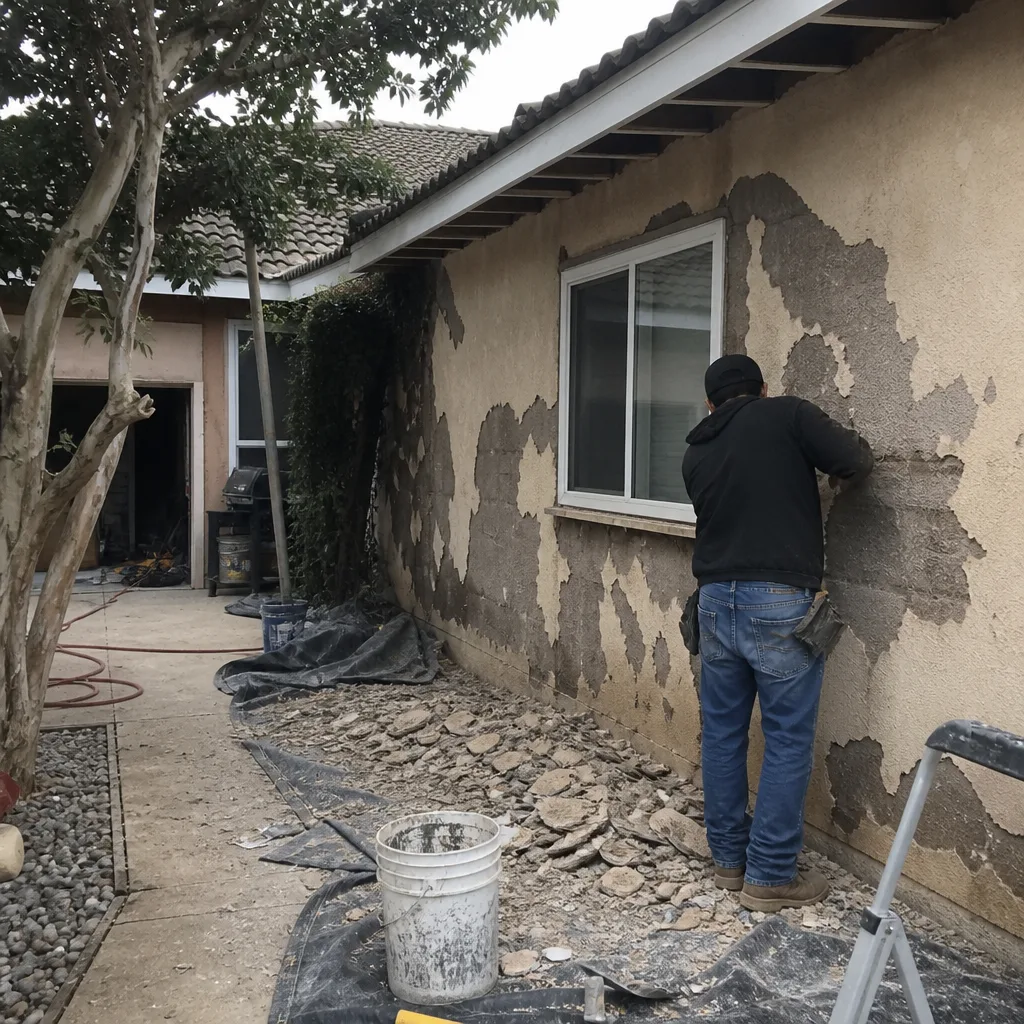 Before
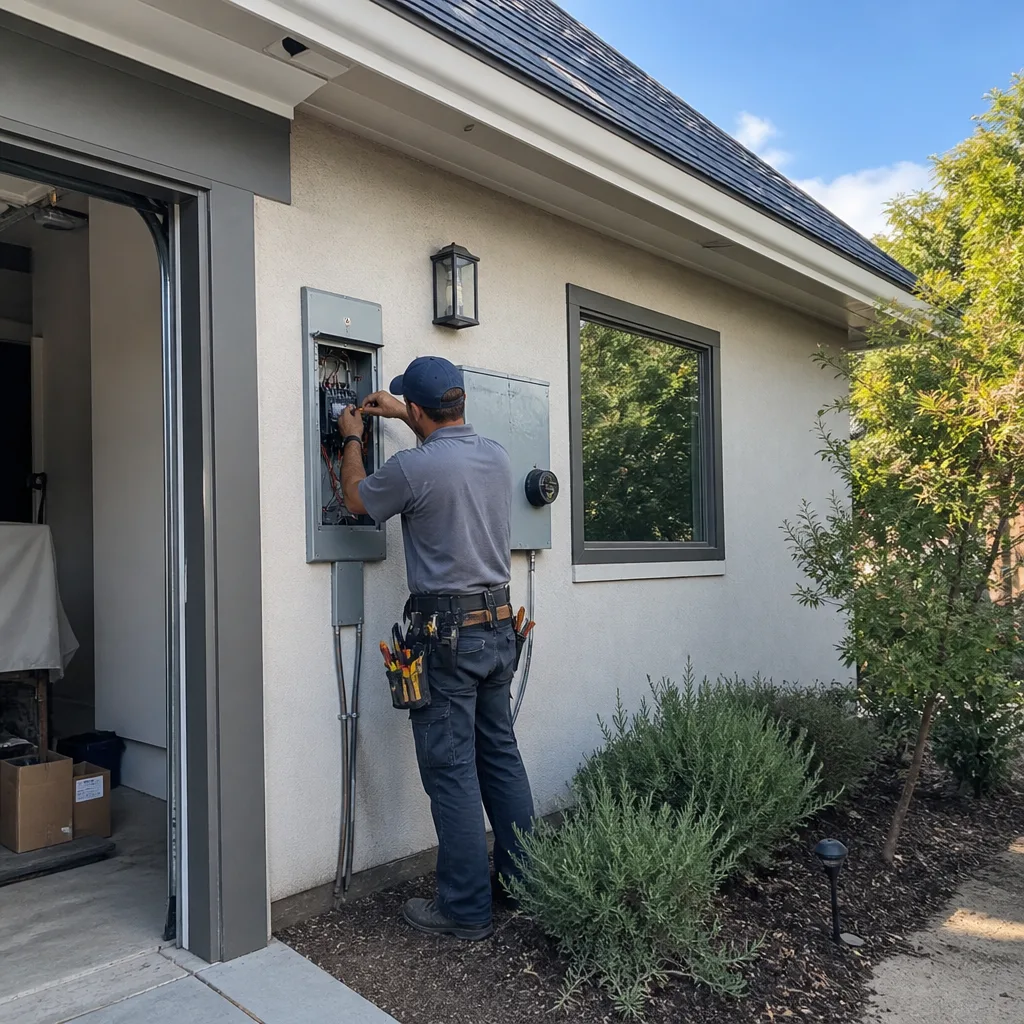 After
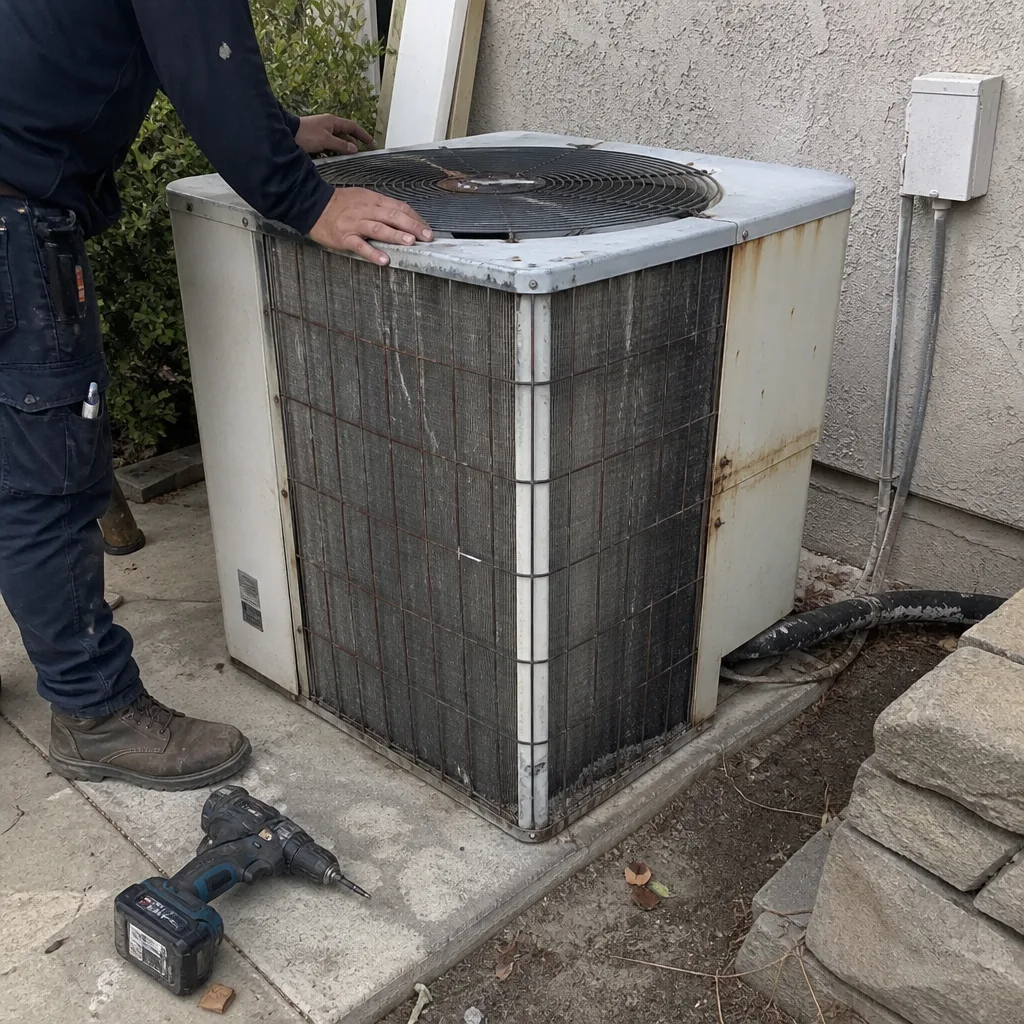 Before
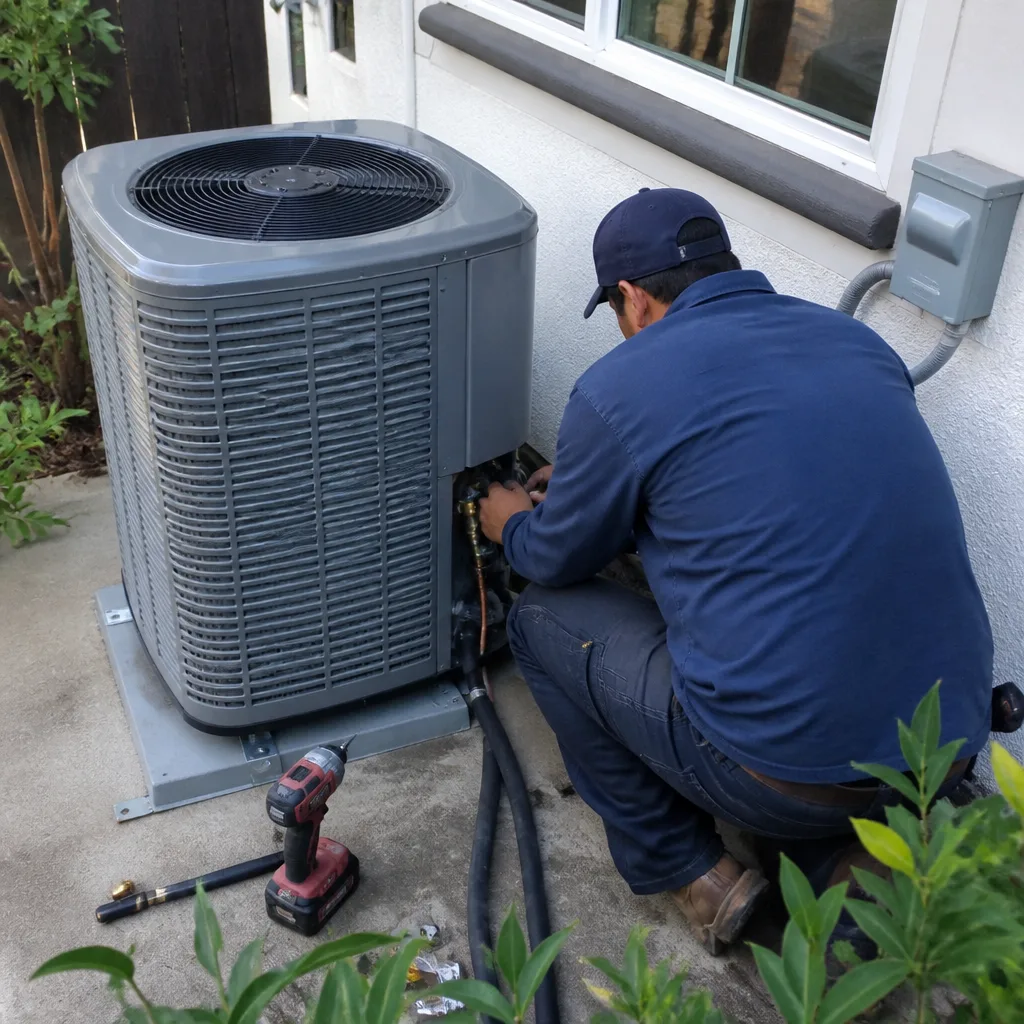 After
 Before
 After