
Last updated October 30, 2026
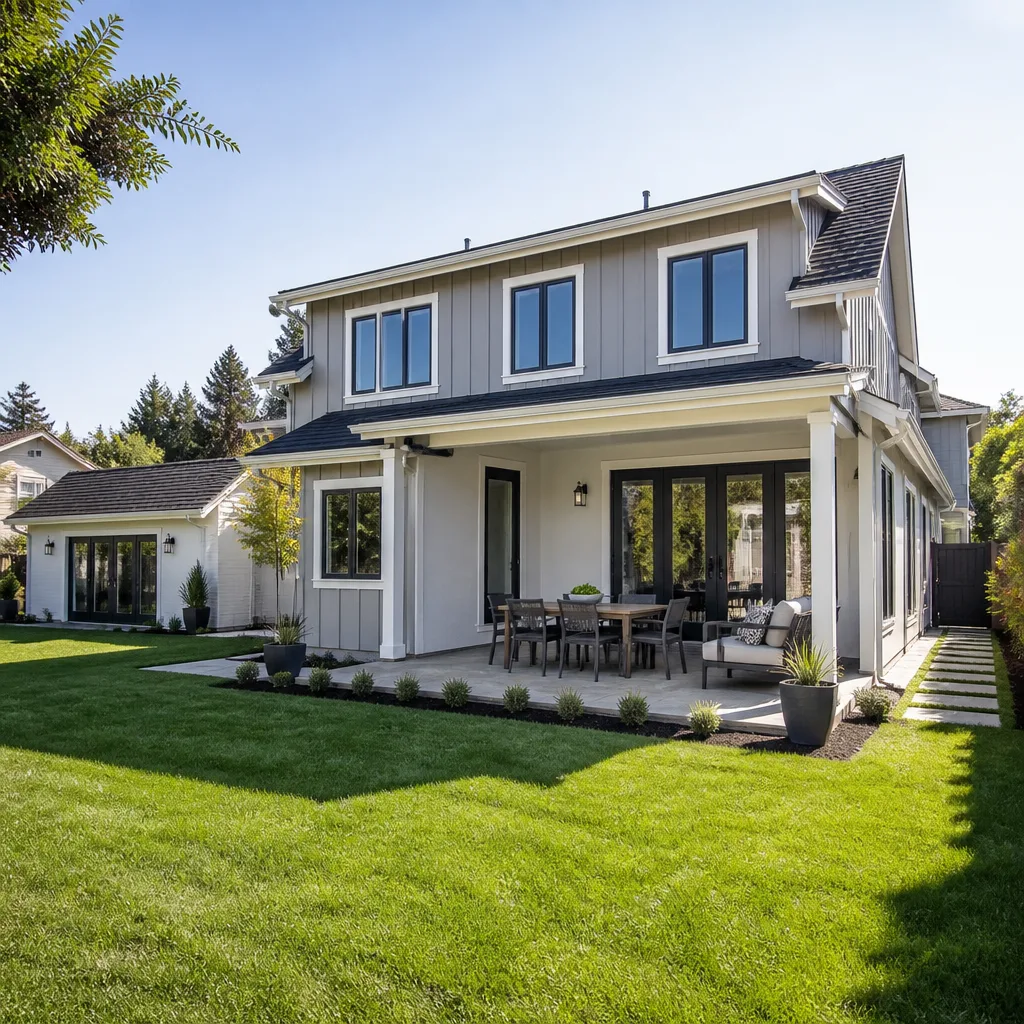 Home additions & ADU
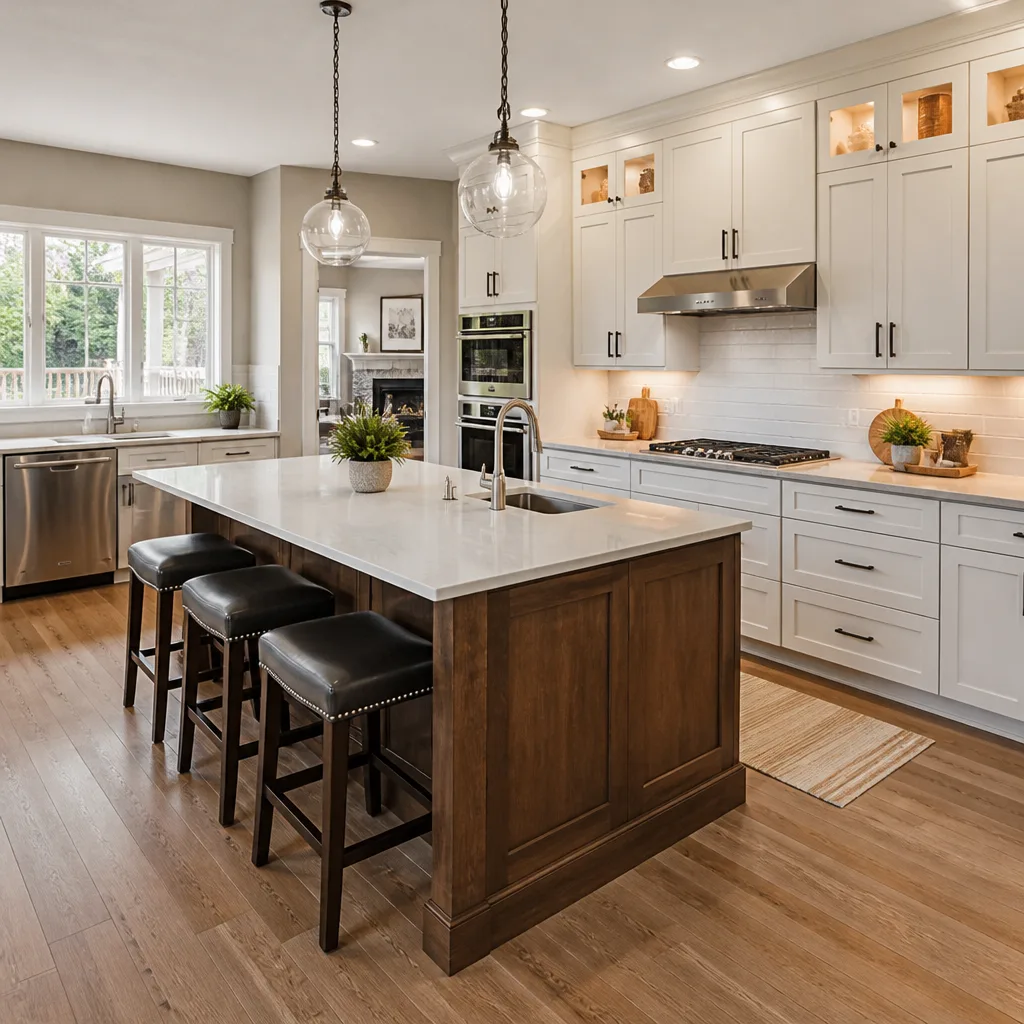 Kitchen remodeling
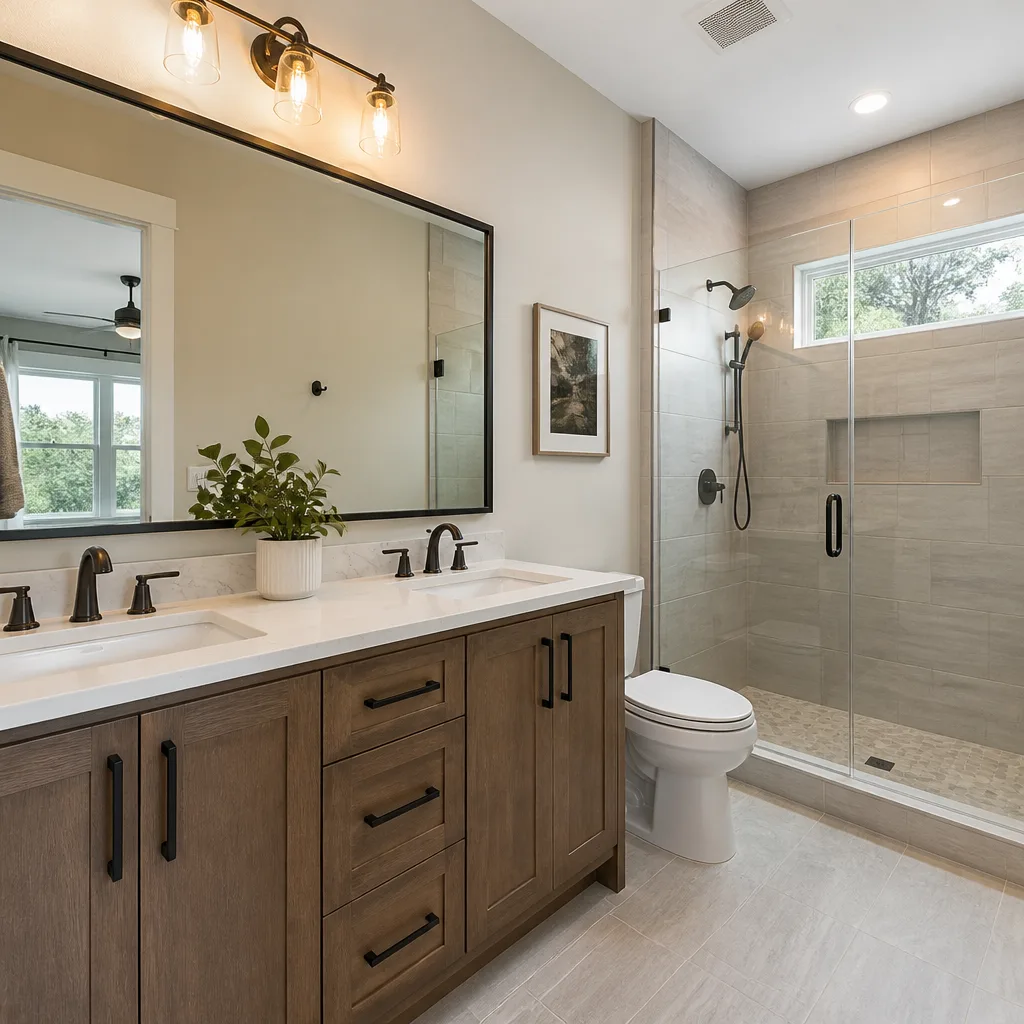 Bathroom remodeling
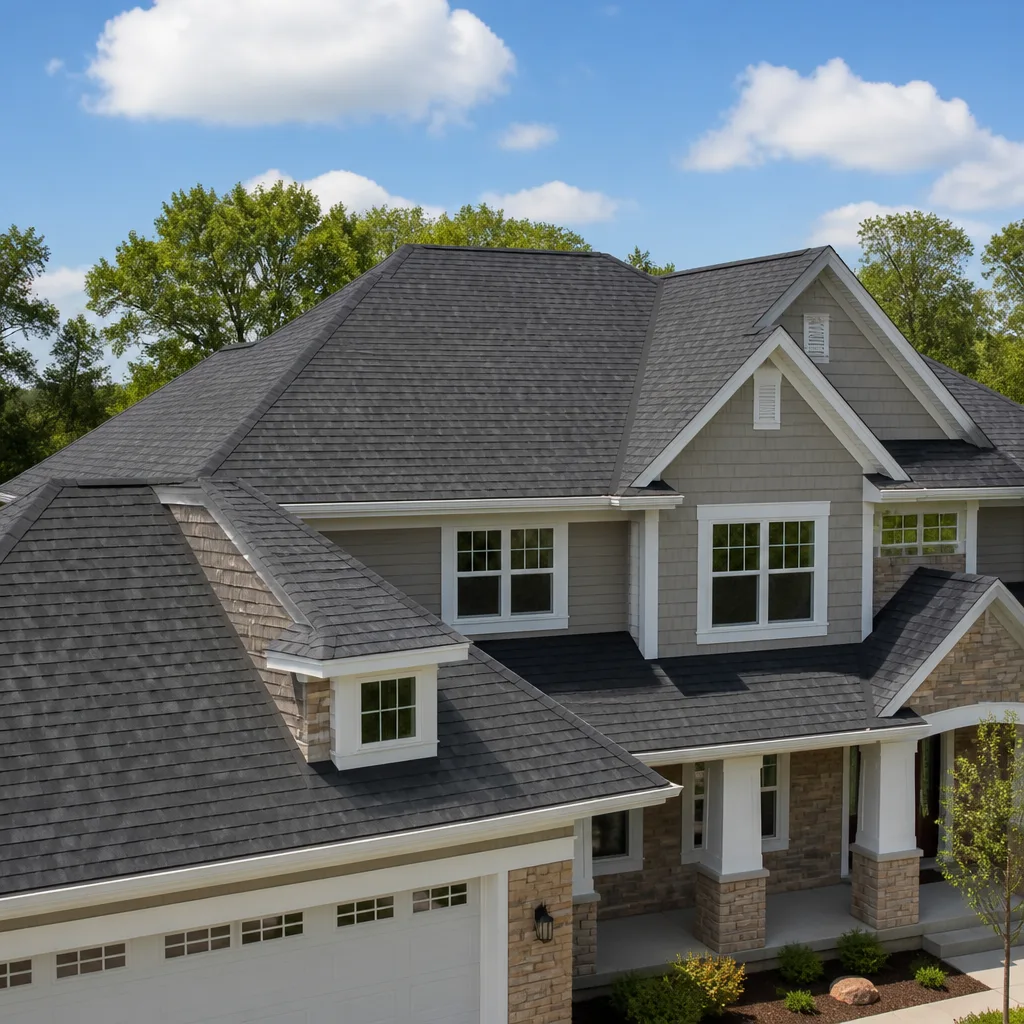 Roofing
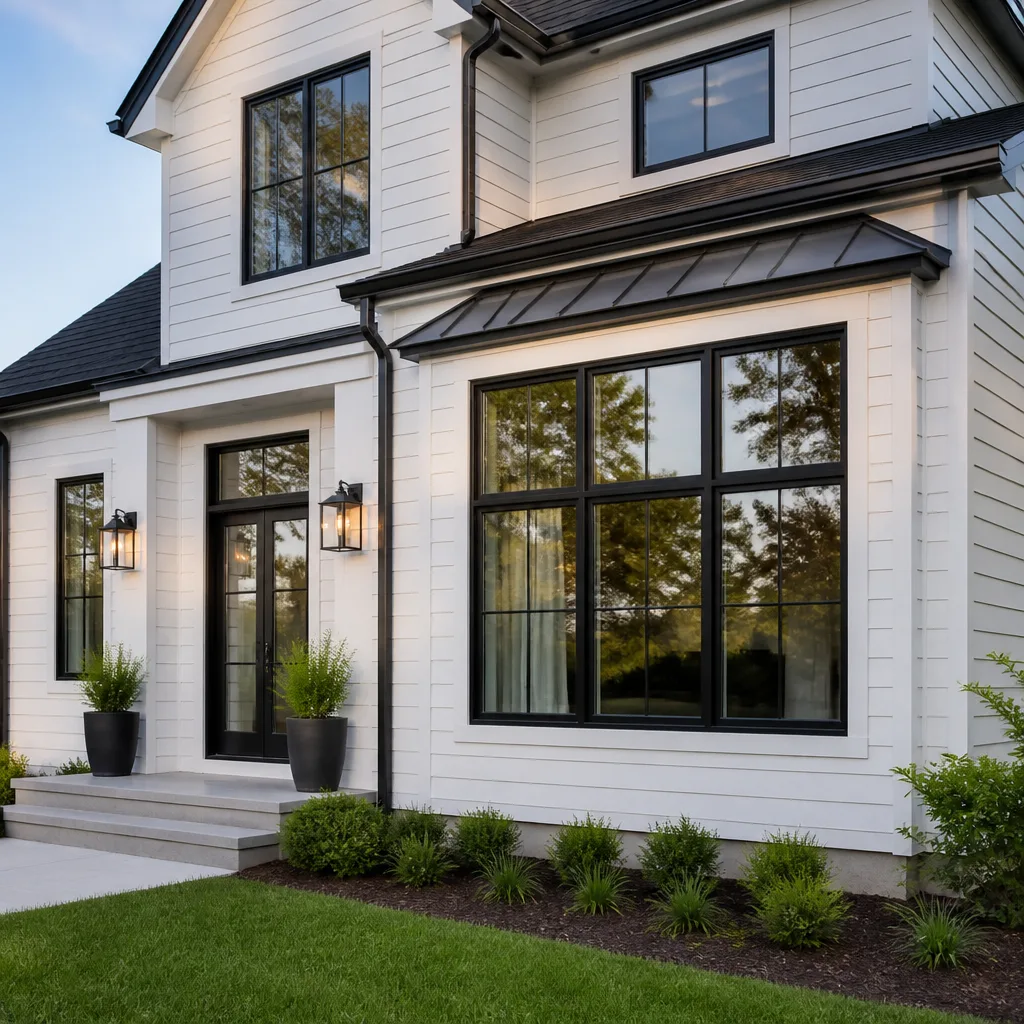 Windows & doors
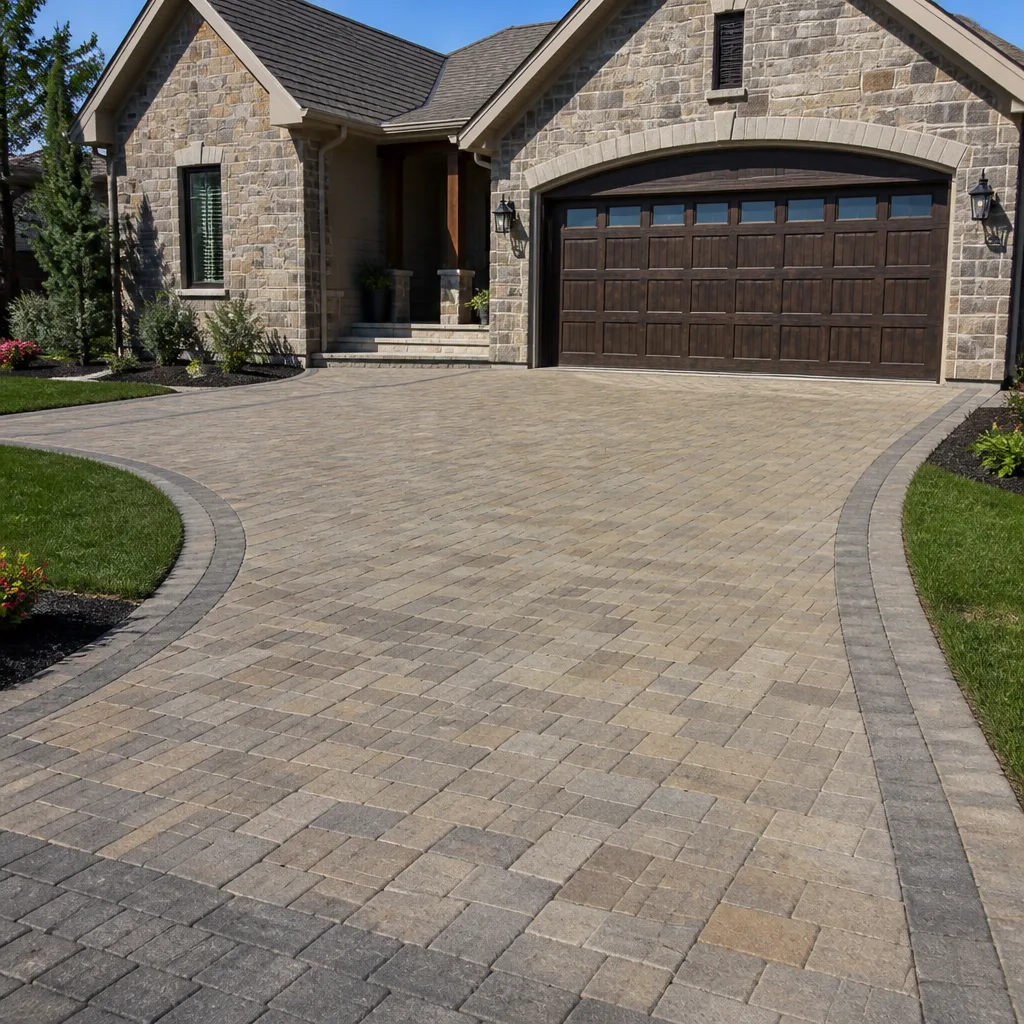 Driveway & pavers
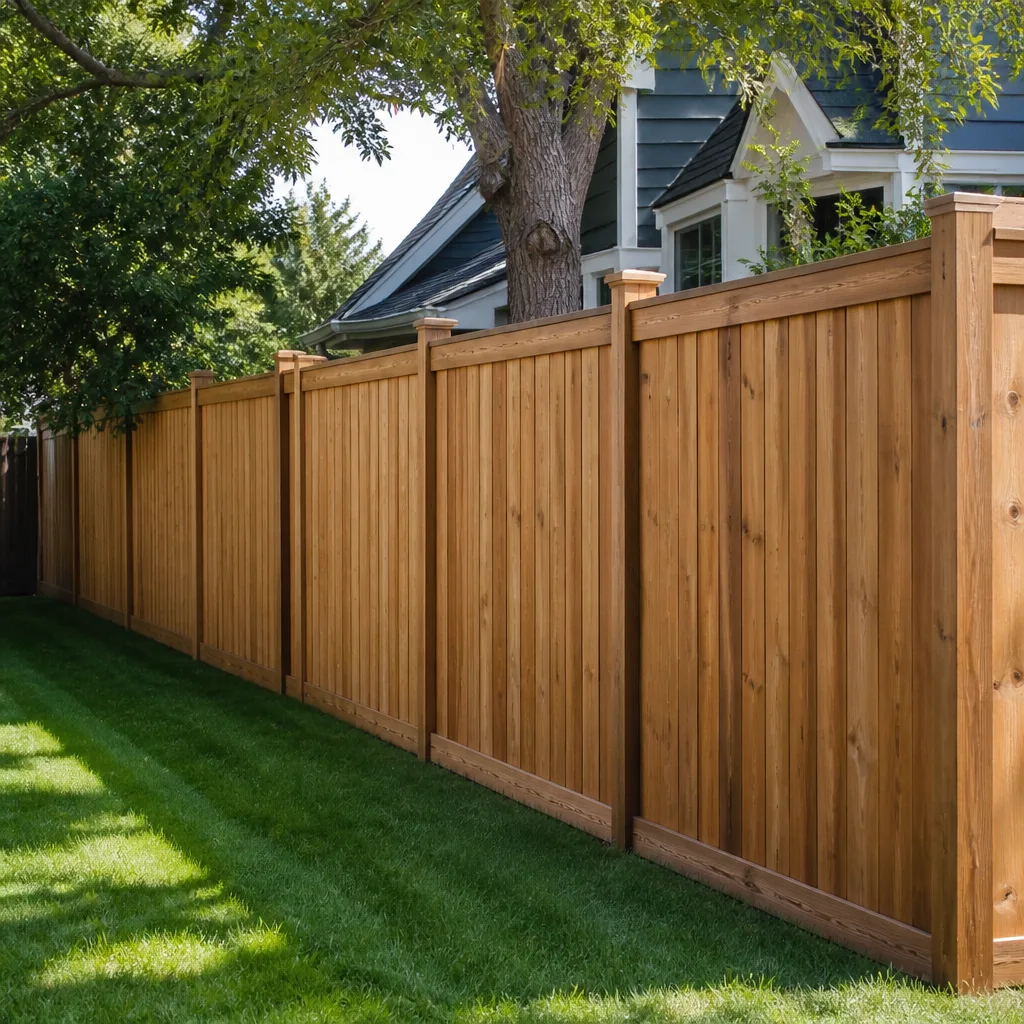 Fence
Free written scope consultation - allowances, timeline, and change-order rules on paper before a single trade is scheduled
Construction Cost Breakdown: The Lake Forest Homeowner’s Reference for 2026
The national average for a kitchen remodel gets cited constantly. What it won’t tell you is that Orange County permit fees alone can add $3,000 to $8,000 to that number before a single cabinet is ordered. Lake Forest sits inside one of the most expensive construction labor markets in California, and that changes every line item on a bid. This guide replaces the generic averages with real numbers from Lake Forest area contractor invoices, local permit schedules, and the site conditions that actually affect your street, plus links to more guides & resources for planning your project. You’ll learn what a realistic budget looks like here, where homeowners consistently underfund, and how to read a contractor bid without getting burned.
Styles & brands we work with
Quick Answer
Construction costs in Lake Forest, CA for 2026 run roughly 20 – 35% above national averages due to Orange County labor rates, valuation-based permit fees, and material logistics. A mid-range kitchen remodel typically lands between $45,000 and $95,000, a primary bath between $28,000 and $60,000, and a 750 sq ft ADU between $250,000 and $380,000 before permits. Every project should carry a 10 – 15% contingency, and homeowners in hillside neighborhoods like Portola Hills or Foothill Ranch should budget additional site preparation costs that flat-lot estimates never include.
Table of Contents
- Why National Averages Fail Lake Forest Homeowners
- Project-by-Project Cost Ranges for Lake Forest, 2026
- How Orange County Permit Fees Actually Work
- The Real Cost of HOA Architectural Review Delays
- Where Lake Forest Homeowners Consistently Underbudget
- How to Read a Contractor Bid: Scope Gaps vs. Legitimate Line Items
- What a 10 – 15% Contingency Should Actually Cover
- Common Mistakes to Avoid
- When to Call a Professional
- Frequently Asked Questions
- The Bottom Line
Why National Averages Fail Lake Forest Homeowners
National cost guides pull from aggregated data across thousands of markets, which means your Lake Forest remodel gets averaged against projects in Ohio, Texas, and rural Idaho. That’s not how construction pricing works. Labor rates in Orange County run significantly higher than the national median because the cost of living drives skilled trades wages up. A framing carpenter who charges $38 an hour in Indiana charges $65 to $85 here. Electricians and plumbers bill $90 to $140 per hour across most of Orange County.
Material pricing also behaves differently in Southern California. Lumber yards and stone fabricators serving Lake Forest contend with port congestion at Long Beach and Los Angeles, warehousing costs that reflect local commercial real estate, and delivery logistics on hilly terrain. All of that lands on your invoice. When we see homeowners working from national averages, they’re typically underfunded by a third before the project starts.
There’s also the local permitting environment. Lake Forest contracts building services through Orange County and follows county building codes, but city-level requirements for things like HOA architectural review add layers of approval time that national guides never account for. The Square Deal Contractors home page goes into more detail about how we approach this landscape. For now, know this: any estimate built on national data is already wrong for your zip code.
Project-by-Project Cost Ranges for Lake Forest, 2026
These ranges come from Lake Forest area contractor invoices and material quotes our team has reviewed over the past two years. They assume mid-tier to upper-mid-tier material selections and a licensed general contractor managing the job. Budget or luxury selections shift these numbers by 15 – 25% in either direction.
| Project | Typical Range (Lake Forest, 2026) | What’s Included |
|---|---|---|
| Kitchen remodel (mid-range) | $45,000 – $95,000 | Cabinet replacement, countertops, fixtures, tile, electrical updates, permits |
| Primary bath remodel | $28,000 – $60,000 | Shower/tub replacement, vanity, flooring, plumbing updates, waterproofing |
| Secondary bath remodel | $18,000 – $35,000 | Fixture replacement, flooring, paint, lighting |
| ADU (750 sq ft) | $250,000 – $380,000 | Design, permits, foundation, framing, utilities, finishes |
| Roof replacement | $18,000 – $42,000 | Tear-off, underlayment, shingles or tile, flashing, permits |
| Window replacement (10 windows) | $12,000 – $28,000 | Removal, installation, trim, permits |
| Hardscape (patio + walkway) | $15,000 – $45,000 | Demo, base prep, pavers or concrete, drainage |
| Full home renovation (1,800 sq ft) | $180,000 – $350,000 | Multi-room scope, structural, mechanical, finishes |
What drives these numbers above national averages? Start with labor. Journeyman trades in Orange County command premium wages, and general contractors running licensed crews carry workers’ comp and liability insurance that’s priced against California rates. Add in county plan check fees, school district impact fees on ADUs, and Lake Forest’s specific climate requirements, and you get numbers that no national guide reflects. See our Construction Permits, Codes & Inspections in CA: What You Need to Know for details.
We should note one thing clearly: these are planning figures, not quotes. Every project differs. Square Deal Contractors builds estimates from a defined scope, which is exactly how our General Contractor in Placentia page describes our process. The same discipline applies in Lake Forest: materials and labor get specified, then priced, then presented as a written line-item estimate.
How Orange County Permit Fees Actually Work
Orange County building permits are valuation-based. That means the county calculates your permit fee as a percentage of the stated project value, not as a flat fee. The formula shifts by project type and valuation tier, but here’s the practical math: a $60,000 kitchen remodel with a stated construction valuation of $60,000 will trigger permit fees in the $2,500 to $4,500 range before plan check add-ons. A $300,000 ADU can generate $8,000 to $12,000 in permit, plan check, and impact fees.
Here’s how the process works in Lake Forest:
- Valuation determination: Your contractor or designer lists the project scope and assigns a construction value. This number directly controls your fee.
- Plan check fees: The county charges separately for structural, electrical, mechanical, and plumbing plan review. Multi-trade projects pay multiple plan check fees.
- Issuance fees: Once plans are approved, the building permit itself carries an issuance fee based on the valuation tier.
- Inspection fees: Each required inspection has a fee. Kitchens and baths with electrical and plumbing changes will see multiple inspections.
- Impact fees (ADUs and additions): School district fees, traffic impact fees, and park fees apply to new square footage. ADUs are partially exempt from some, but not all.
Lake Forest homeowners also need to budget for city-level review processes that sit alongside county permits. Depending on your neighborhood, your project may require HOA architectural approval before the county even accepts the application. We cover that in the next section. The key takeaway: any bid that lumps “permits” into a single round number without a valuation breakdown deserves a closer look. Square Deal Contractors separates permit fees as a defined pass-through line item, so you’re not guessing what the county charged versus what the contractor marked up.
For comparison, homeowners in nearby Home Remodeling in Placentia navigate a similar county permit structure with different city-level requirements. The geographic proximity means labor rates track closely, but each city tacks on its own administrative steps.
The Real Cost of HOA Architectural Review Delays
Lake Forest has one of the highest concentrations of HOA-governed communities in Orange County. Foothill Ranch, Portola Hills, Baker Ranch, and the Lake Forest master-planned neighborhoods all carry architectural review requirements. If you’re planning exterior work, a new ADU, roof replacement, or even window changes, your HOA gets a say before the county does.
Here’s what that actually costs when it goes wrong:
- Carrying costs: If you’re financing the project, every month of HOA review delay is a month of interest payments on money you haven’t spent yet. On a $150,000 project at 7%, that’s about $875 per month.
- Contractor rebooking fees: When approval delays push your start date, contractors rebook crews to fill the gap. Coming back to your job may trigger a rebooking fee or a wait for the next available crew. We’ve seen $500 to $2,000 charged for rescheduling on multi-trade projects.
- Material price holds: Lumber, roofing materials, and engineered products fluctuate. A 60-day HOA delay on a roof replacement could mean your GAF or CertainTeed materials get re-priced at current market rates, which can add 5 – 12% to that line item.
- Design revision costs: If the HOA rejects your initial application and requires plan changes, the designer or architect charges for revisions. Figure $500 to $2,500 per round, depending on scope.
The practical mitigation is sequencing. Submit your HOA application before finalizing material orders. Your contractor should build the review timeline into the project schedule, not treat it as an afterthought. A good general contractor in Lake Forest knows which communities process applications quickly and which sit on them, as covered in our Construction Warning Signs: A Lake Forest Homeowner’s Reference Guide. We call it out because a bid that ignores HOA timelines is quietly underestimating your schedule by 30 to 90 days.
Where Lake Forest Homeowners Consistently Underbudget
Three categories appear again and again on Lake Forest projects where budgets break. These aren’t hidden fees. They’re predictable costs that national guides either underweight or ignore entirely.
1. Hillside and lot condition costs. Lake Forest neighborhoods like Portola Hills, Foothill Ranch, and parts of the original Lake Forest tract sit on varied terrain. Sloped lots mean retaining wall work, stepped foundations, additional drainage, and sometimes pier-and-grade-beam engineering that flat-lot estimates never include. On a room addition or ADU on a slope, expect $15,000 to $40,000 in site preparation before vertical work starts. Our Construction Emergency Preparedness Guide for Lake Forest Homes covers how to plan for these conditions. Soil reports run $3,000 to $6,000, and if the report flags expansive soils or fill, engineering requirements escalate fast.
2. Asbestos and lead abatement in pre-1980 homes. Lake Forest grew substantially in the 1960s and 1970s. Homes from that era frequently contain asbestos in drywall joint compound, flooring, and popcorn ceilings, plus lead paint on trim and exteriors. Kitchen and bath remodels in these homes trigger abatement requirements the moment you open walls or disturb surfaces. Abatement costs for a kitchen remodel in a 1970s Lake Forest home commonly run $3,000 to $10,000, and that’s before the remodel starts. Test first. A $350 asbestos test can prevent a $5,000 surprise and a stop-work order.
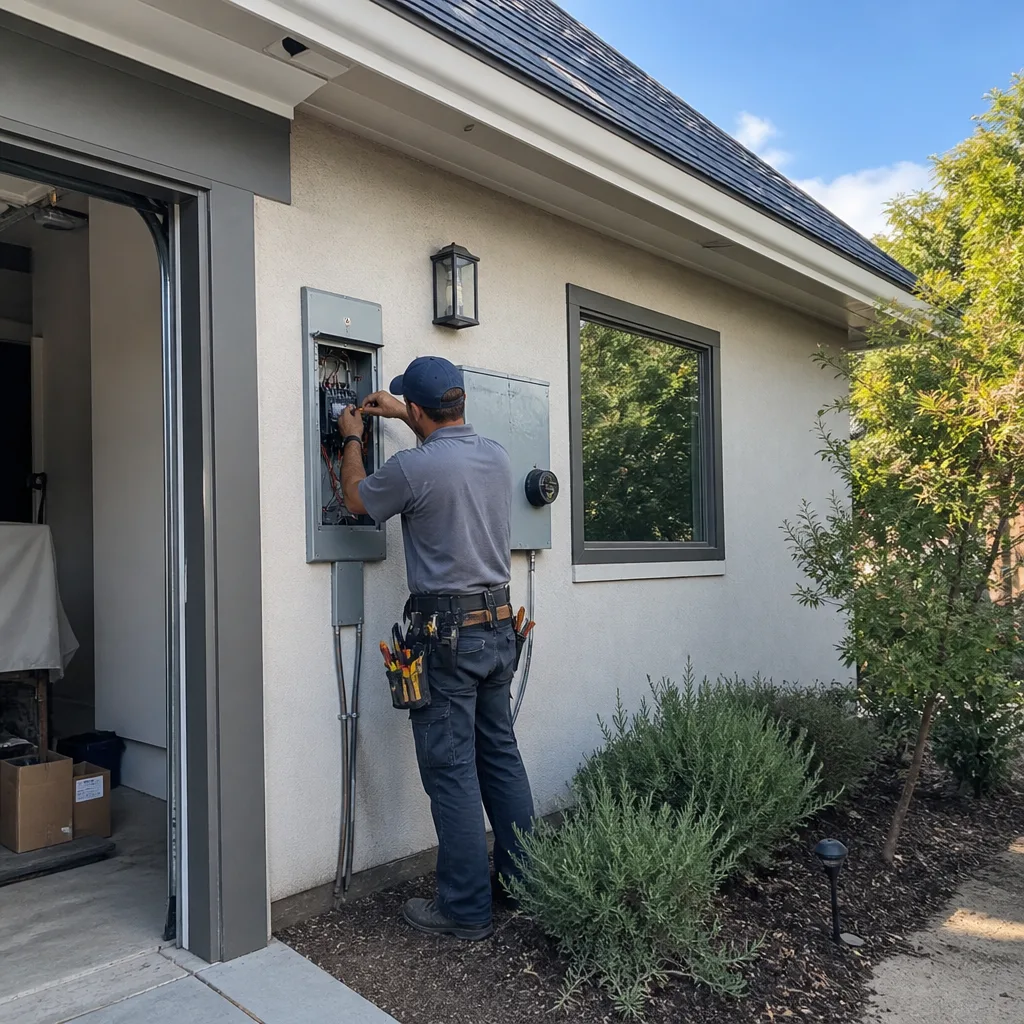
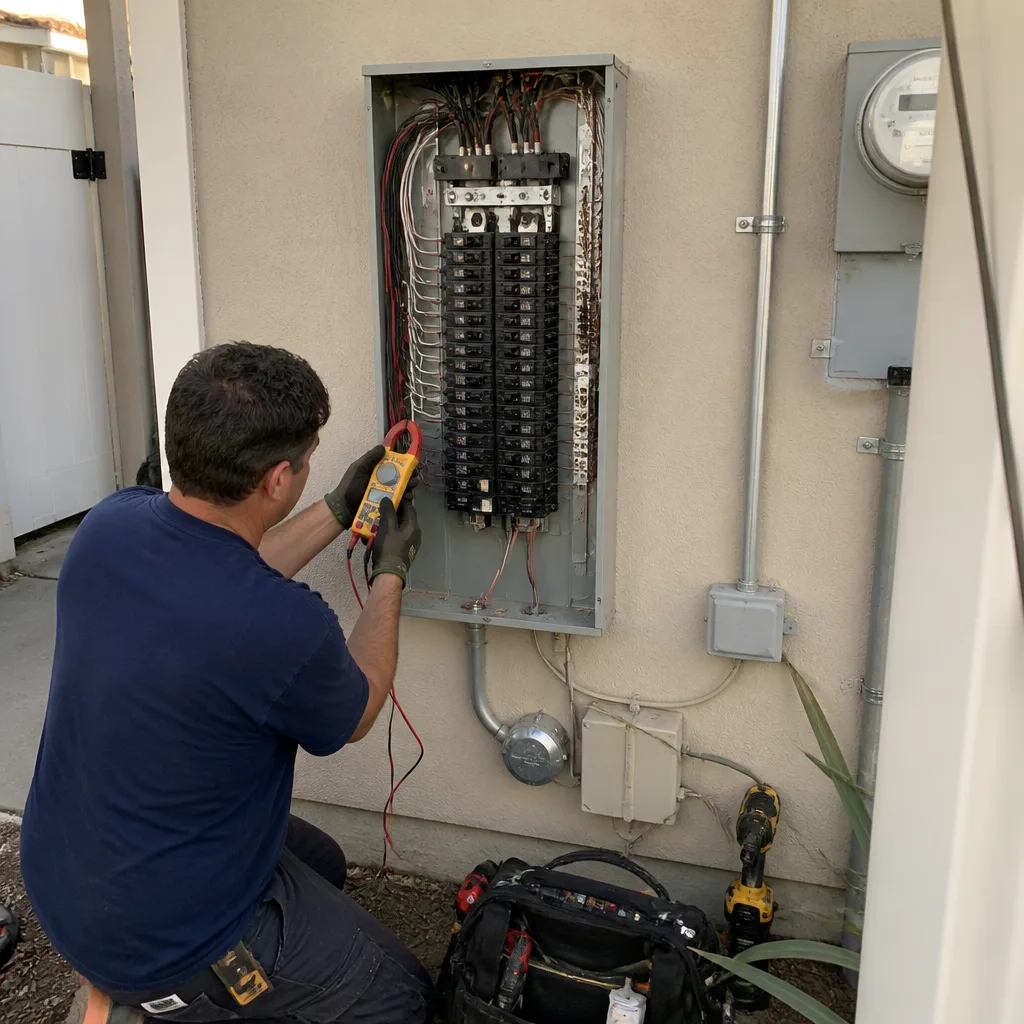
3. Electrical panel upgrades triggered by remodels. Adding a second oven, induction cooktop, tankless water heater, or EV charger to a 100-amp panel from the 1970s pushes you past capacity. Orange County code requires panel replacement in many of these scenarios. A 200-amp panel upgrade in Lake Forest runs $3,500 to $6,500, and if your service drop needs replacement, add another $2,000 to $4,000. Kitchen remodels and ADU projects trigger this line item more often than any other single scope change.
How to Read a Contractor Bid: Scope Gaps vs. Legitimate Line Items
A bid is a scope document with numbers attached. The cheapest bid is often the most expensive project because it’s simply missing scope that the contractor will add back as a change order once the wall is open. Here’s how to read what you’re actually looking at.
- Compare the scope sections, not just the total. Two kitchen bids can be $20,000 apart without one being “high” or “low.” If one bid includes cabinet installation, countertop fabrication, plumbing rough-in, electrical updates, and permit management while the other only includes cabinets and counters, the gap is scope, not markup.
- Look for the “allowances” section. Allowances are placeholder numbers for materials the contractor hasn’t specified yet. A bid with a $5,000 “fixture allowance” means you’re budgeting for the cheapest fixtures unless you upgrade, and the upgrade cost arrives later. A bid that specifies actual fixtures (Kohler, Grohe, Moen, or a defined brand tier) is a defined scope. Allowances aren’t inherently wrong, but large allowances on big line items should be red flags.
- Check the permit and utility fee pass-throughs. Does the bid include permit fees, or are they a pass-through? Does it include plan check, or is that your responsibility? Contractors that bury permit costs into a single “fees” line item leave you exposed to the actual county invoice later.
- Verify the payment schedule against milestones. A bid that asks 50% upfront and 50% on completion means the contractor is financing your project on your money. Standard schedules are 10 – 15% at contract signing, then progress draws tied to completed phases: demo, rough-in, drywall, finish.
- Ask about exclusions explicitly. Painting, painting prep, debris removal, finish carpentry, hardware installation. Every bid has exclusions. Some are legitimate; some are scope that will ambush you later. Ask the contractor to list everything NOT included in writing.
Square Deal Contractors writes bids that specify materials by brand and tier. That means when you see “cabinetry: KraftMaid, shaker style, plywood boxes, soft-close,” you know the number is real. When you see “cabinetry allowance: $8,000,” you should ask what that actually buys.
For homeowners in Home Renovation in Placentia or Lake Forest, the reading process is the same. The goal is a bid you can compare line-by-line against another bid, not a pair of totals that hide entirely different scopes.
What a 10 – 15% Contingency Should Actually Cover
Every contractor budget includes a contingency line. Here’s what it’s for, and more importantly, what it’s not for.
Legitimate contingency uses:
- Dry rot or termite damage discovered after demo opens exterior walls
- Plumbing or electrical conditions that differ from what was visible at bid time
- Material cost fluctuations between contract signing and material ordering
- Minor scope refinements, like moving an outlet six inches after seeing the framing
- Unforeseen structural conditions that require engineering review
What contingency is NOT for:
- The contractor’s estimating mistakes
- Scope you explicitly requested but the contractor forgot to price
- Upgrades you choose mid-project, like switching from a standard Kohler fixture to a Grohe thermostatic system
- Permit fees if the contractor understated the valuation
- HOA-required design changes that were knowable at bid time
The contingency should be defined as a maximum percentage of the base contract, with the contractor required to provide documentation for any contingency spending. If a contractor dips into contingency without showing you the changed condition that triggered it, that’s a red flag. If a contractor tells you “we don’t need a contingency, we bid it tight,” that’s an even bigger one. Tight bids are change-order factories. A 10 – 15% contingency on a defined scope is the mark of an honest estimator who knows that construction uncovers what construction uncovers.
Common Mistakes to Avoid
- Accepting a bid without a scope comparison. Two totals never tell the same story. Line-item scope is the only way to know if you’re comparing the same kitchen. Print both bids and compare them section by section.
- Skipping asbestos testing on a pre-1980 Lake Forest home. The test costs $350. The abatement stop-work order and emergency mitigation costs $5,000 to $15,000. Test before demo.
- Ignoring HOA review timelines and fees. HOA applications in Lake Forest can take 30 to 90 days. Plan for it. Don’t sign a contract with a start date that assumes next-week approval.
- Underfunding the panel upgrade. A kitchen remodel with new appliances often triggers a 200-amp panel requirement. If your bid doesn’t mention electrical capacity, ask why not.
- Picking the contractor with the lowest overhead. Low overhead means no office staff, no project management, no one answering when the tile installer has a question. That overhead you’re not paying for is the coordination you’ll be doing yourself.
- Treating contingency as a suggestion. Fund it. Every time. If you can’t afford a 15% contingency, you can’t afford the project at the current scope. Shrink the scope, not the buffer.
- Ordering materials before permits clear. If the county requests design changes, you’re stuck with cabinets that don’t fit the revised plan. Sequence materials after plan approval, not before.
When to Call a Professional
Multi-trade projects deserve a general contractor. That’s not a sales line; it’s a structural reality. When a kitchen remodel touches plumbing, electrical, structural, tile, and cabinetry, someone has to sequence those trades, manage inspections, and own the schedule. If that someone is you, you’re hiring a part-time job with no experience and no warranty. ADUs and room additions in Lake Forest involve engineering, county plan check, HOA review, utility connections, and trade coordination that makes self-management genuinely risky. Roof replacements, window changes, and hardscape projects may seem manageable, but permit requirements and warranty implications usually justify professional scope. Square Deal Contractors offers free estimates in Lake Forest, call (866) 623-7205. We’ll walk the project with you, define the scope, and give you a written line-item estimate before you commit to anything.
Frequently Asked Questions
A mid-range kitchen remodel in Lake Forest runs $45,000 to $95,000, including cabinetry, countertops, fixtures, electrical updates, and permits. A defined scope with specified materials like KraftMaid cabinetry and Kohler fixtures keeps you in that range. Call (866) 623-7205 for an exact quote, estimates are free.
Orange County permit fees are valuation-based, meaning they’re calculated as a percentage of your stated project value. A $60,000 remodel generates roughly $2,500 to $4,500 in permit and plan check fees, while a $300,000 ADU can hit $8,000 to $12,000. The exact number depends on scope and plan review complexity.
Price changes on a defined-scope contract should only come from changed conditions, like dry rot discovered behind stucco or a framing issue that wasn’t visible at bid time. A contractor who writes a defined scope with specified materials minimizes change orders. If your bid uses large allowances, expect the final price to rise when real materials get selected.
Yes, a licensed general contractor pulls the permits and manages the inspection schedule. In Lake Forest, that means coordinating county plan check, city-level review where applicable, and HOA architectural approval for exterior work. The permit process is part of the contract, not a homeowner responsibility.
A full kitchen remodel in Lake Forest typically takes 8 to 14 weeks from demo to final inspection, depending on scope, material lead times, and inspection scheduling. HOA review for exterior-adjacent work can extend the pre-construction timeline by 30 to 90 days. Your contractor should give you a written schedule at contract signing.
A 750 square foot ADU in Lake Forest runs $250,000 to $380,000, including design, permitting, site work, utilities, and finishes. Hillside lots in neighborhoods like Portola Hills can add $15,000 to $40,000 in site preparation. Prefab ADU options through manufacturers like Abodu or Dvele can compress the timeline but cost comparably on an all-in basis.
The Bottom Line
Lake Forest construction prices are driven by local forces: Orange County labor rates, valuation-based permits, HOA review timelines, hillside site conditions, and the age of the housing stock. National averages are a starting point at best and a budget-crasher at worst. Fund your project with real local numbers, read your bid as a scope document, and carry a 10 – 15% contingency. When you’re ready for a defined-scope estimate from a contractor who tells you exactly what you’re getting and why, call Square Deal Contractors at (866) 623-7205.
Written by the team at Square Deal Contractors, serving Lake Forest since 2013.
See the difference
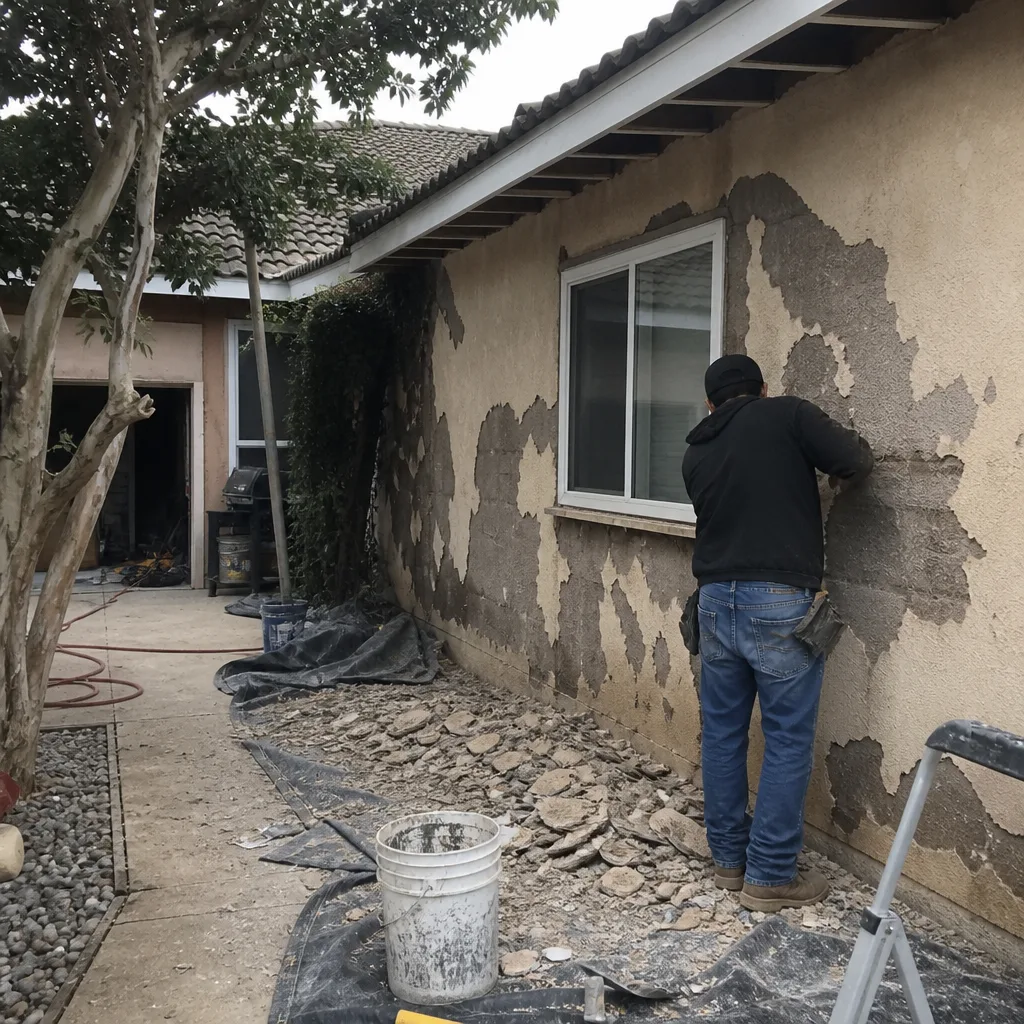 Before
 After
 Before
 After
 Before
 After