
Last updated October 30, 2026
 Kitchen remodeling
 Bathroom remodeling
 Home additions & ADU
 Roofing
 Windows & doors
 Driveway & pavers
 Fence
Free written scope consultation - allowances, timeline, and change-order rules on paper before a single trade is scheduled
General Contractor Troubleshooting: Common Problems and How to Fix Them
A stopped job is almost never about money running out. In 80% of disputed construction projects, the root cause is a scope document that both parties read differently on day one. What looks like a contractor problem is usually a communication problem with a contract attached to it. This guide walks through the most common general contractor problems we see across Lake Forest and Orange County, and gives you the exact language and leverage to fix them before they cost you real money. Most homeowners don’t need a lawyer. They need to understand how the system works.
Quick Answer
Most general contractor problems fall into five categories: scope disputes, timeline slippage, subcontractor quality gaps, payment disagreements, and permit or inspection delays. Each has a specific fix, and most fixes start with documentation: your original contract, your change order log, your draw schedule, and your written communications. If you’re mid-project and something feels wrong, stop work conversations that only happen verbally. Get it in writing, reference the contract, and escalate step by step.
Styles & brands we work with
Table of Contents
- Scope Disputes: When the Contract Says One Thing and the Work Says Another
- Timeline Delays: Diagnosing the Real Reason Work Stopped
- Subcontractor Quality: When the Work Doesn’t Match the Promise
- Payment Disputes: Draw Schedules, Lien Waivers, and the Paper Trail That Protects You
- Permit and Inspection Delays: What’s Holding Up the Job
- Change Orders: The Three Contract Clauses That Prevent 90% of Disputes
- Escalation: When to Negotiate, When to Call the CSLB, and When to Hire an Attorney
Scope Disputes: When the Contract Says One Thing and the Work Says Another
A scope dispute starts small. You asked for X, the contractor priced Y, and somewhere in the middle, the framing crew built Z. By the time you notice, you’re standing in a half-finished kitchen wondering who approved the wrong cabinet layout. Here’s what actually happened: the contract language was vague enough that both sides filled in the blanks differently. The fix isn’t arguing about who said what. The fix is returning to the document and identifying exactly where the ambiguity lives.
We’ve seen this play out in homes across Lake Forest, from Foothill Ranch to the lake-adjacent properties off Trabuco. The homeowner assumed “prep and paint” included crown molding. The contractor assumed it meant walls and ceiling only. Neither is wrong. The contract was just thin. A tight scope document lists materials by brand and model, specifies finish levels, and names what’s excluded as clearly as what’s included. If your contract doesn’t do that, you and your contractor are guessing in opposite directions.
How to Fix a Scope Dispute
- Pull the original scope and read it line by line. Highlight every sentence that could support either interpretation. This is your evidence base.
- Find the written communications. Emails, text messages, and change order logs that reference the disputed item. Verbal agreements don’t hold up, but written ones do.
- Ask the contractor to walk the site with you. Not to argue, but to point to the contract section they believe covers their interpretation. Listen first. You might be wrong, and if you are, you want to know before you escalate.
- Propose a written amendment. If the scope was genuinely ambiguous, split the difference or pay for the additional work with a signed change order that defines it precisely going forward.
- Document the resolution. Whatever you agree to, write it down and have both parties sign. A handshake doesn’t fix a scope problem. A paper trail does.
In our experience, homeowners who treat scope disputes as a documentation problem rather than a trust problem resolve them faster and cheaper. The goal isn’t to win. It’s to get the project back on track with clear terms. If you’re planning a remodel in Lake Forest, start with a contractor who writes scopes like their reputation depends on it, because it does. A general contractor who can’t define scope clearly at signing won’t get clearer three months into the job.
Timeline Delays: Diagnosing the Real Reason Work Stopped
When a project stalls, the homeowner’s first assumption is usually contractor avoidance. Sometimes that’s true. More often, the delay has a specific, fixable cause sitting in one of four buckets: scheduling conflicts, permit holds, material backorders, or subcontractor availability. Each has a different fix, and applying the wrong one wastes weeks. Here’s how to diagnose what you’re actually dealing with.
Scheduling conflicts show up as other crews on other jobs. The contractor overbooked and your project is paying for it. Ask for the next two weeks of scheduled work on your site, by trade and by day. If they can’t produce one, that’s your answer. Permit holds are verifiable through the City of Lake Forest Building Division. Call and ask for the status of your permit number. If the city says it’s waiting on a response from the contractor, you know exactly where the bottleneck sits. Material backorders are the most legitimate and the most frustrating. In the last few years, window lead times from brands like PGT and CGI have stretched past twelve weeks depending on the line and the glass package. That’s not your contractor dodging you. That’s the supply chain, and no contractor controls it. But the contractor should have told you before it became your problem. Subcontractor shortages are real in Southern California right now. Good tile crews and framing crews are booked months out. The question is whether your contractor planned for that or is discovering it in real time.
The Documentation You Pull First
- Your contract’s timeline clause, including any stated start and completion dates.
- The permit application and any city correspondence referencing your address.
- Order confirmations for major materials: windows, cabinetry, tile, fixtures.
- Your written communications with the contractor over the last three weeks.
Once you know the cause, you can act. Scheduling conflicts warrant a firm conversation about resource allocation. Permit holds warrant a call to the building department to confirm status. Material backorders warrant a written request for the order confirmation and revised lead time. Subcontractor shortages warrant a conversation about whether the contractor has alternate crews or whether the timeline needs a formal amendment. Every one of these has a paper-based solution. None of them get better by waiting silently. If you’re working with a full-scope home remodeling contractor, timeline management across multiple trades should be their core competency, not an afterthought.
Subcontractor Quality: When the Work Doesn’t Match the Promise
The tile is lipped. The drywall seams are visible under the paint. The cabinet doors don’t align. You call the general contractor, and they say it’s within industry standard. Now you’re in a standoff: your eyes against their spec sheet. This is the most emotionally charged problem in residential construction because it’s subjective at the edges, and both parties know it.
Here’s the escalation path that protects your project without blowing it up. First, document the specific defects with photos and measurements. “The tile is bad” is a complaint. “The tile lippage exceeds 1/16 inch across six tiles in the northeast corner of the shower” is a finding. Second, reference the contract’s quality clause. If the contract names a standard, like TCNA for tile work or a manufacturer’s installation spec for windows, you have an objective yardstick. Third, ask the contractor to inspect with you on site. Not their project manager, them. The person whose name is on the contract. Fourth, if they still won’t address it, put your concerns in writing and reference the specific contract language they’re not meeting.
In Lake Forest, we see this most often with finishes: tile, trim, paint, and cabinet installation. The fix is usually a punch list with a defined completion date. A punch list is a written list of specific, observable deficiencies that the contractor agrees to correct by a specific date. It works because it converts a quality dispute into a scoped work order. If the contractor signs a punch list and still doesn’t deliver, you have a documented breach. That’s when the conversation shifts to the formal remedies in your contract. If you’re at the beginning of a project, choose a contractor who specifies finish standards in writing before work starts. The best defense against subcontractor quality disputes is a contract that defines what “done” means. A home renovation contract without a finish standard clause is an invitation to argue later.
Payment Disputes: Draw Schedules, Lien Waivers, and the Paper Trail That Protects You
Payment disputes are where construction projects go to die. A homeowner withholds payment because the work looks incomplete. The contractor stops work because payment stopped. Now the job is frozen, and both sides are calling attorneys. Most of this is preventable with three documents: a clear draw schedule, signed lien waivers, and a written change order log. If you have all three, a payment dispute becomes a simple accounting exercise. If you don’t, it becomes a legal problem.
A draw schedule ties payments to completed milestones, not calendar dates. Deposit at signing, foundation complete, framing complete, rough-in complete, drywall hung, finishes installed, final walkthrough. Each draw should have an inspection moment attached: you walk the site, confirm the milestone is actually complete, then release payment. A lien waiver is a document signed by the contractor and each subcontractor stating they’ve been paid for work completed through a specific date. In California, lien waivers are governed by statute, and the forms are standard. If a subcontractor doesn’t get paid, they can place a mechanics lien on your property, even if you already paid the general contractor. Lien waivers are the only thing that protects you from paying twice. A change order log tracks every deviation from the original scope, signed by both parties, with the cost impact stated. No signed change order means no payment for changed work.
What to Pull in a Payment Dispute
- Your draw schedule from the contract, with each milestone and dollar amount.
- Every lien waiver you’ve collected so far. If you haven’t been collecting them, start collecting them today.
- Your change order log, showing what was added, removed, or modified, and what each change cost.
- A site walk list of what’s actually complete versus what the contractor says is complete.
If the numbers don’t reconcile, the conversation becomes specific. “The drywall milestone is incomplete because the master bath isn’t hung, but the draw request includes that milestone in full.” That’s a resolvable dispute. “I don’t feel like paying” is not, and it will end badly for both sides. In Lake Forest, where property values make liens particularly painful, the homeowners who keep clean payment records never end up in the mess the homeowners with shoeboxes of receipts and a vague sense of unease do. The paper trail is the protection.
Permit and Inspection Delays: What’s Actually Holding Up the Job
A permit hold stops everything, and usually the homeowner doesn’t find out until a week of silence passes. Here’s what’s actually happening behind the scenes. The City of Lake Forest requires permits for most structural work, electrical, plumbing, and any modification to the building envelope. Your contractor submits plans, the city reviews them, the city sends comments, the contractor responds, and the cycle repeats until the permit is issued. If the contractor submitted incomplete plans, the hold is on them. If the city is backed up, which happens regularly during building season, the hold is on the system. You need to know which one you’re dealing with.
Call the Lake Forest Building Division with your permit number and ask two questions: has the permit been issued, and if not, what’s the current status of the review. If the city says they’re waiting on a response from the applicant, that’s your contractor. If the city says reviews are running three to four weeks, that’s the queue. Either way, you now know where the bottleneck sits, and you can hold the right party accountable. The same applies to inspections. When an inspector fails a rough-in, the contractor has to schedule a reinspection, and reinspection availability in Orange County can run a week or more. That’s not contractor avoidance. That’s the system. But the contractor should have anticipated it and built it into the timeline.
In our experience across Lake Forest, permit delays are rarely malicious and almost always fixable with a phone call and a little patience. The homeowners who get burned are the ones who don’t call the city, don’t ask for status, and let a two-week permit hold turn into a two-month stall because nobody was watching. Ask for the permit number at the start of the project, not when the project stops. If your contractor won’t provide it, that’s a red flag worth investigating before work begins.
Change Orders: The Three Contract Clauses That Prevent 90% of Disputes
Change orders are where scope, timeline, and payment disputes all converge. A change order is a written amendment to the original contract that defines a change in work, its cost, and its impact on the timeline. Every construction project has change orders. The projects that go sideways are the ones where changes happen verbally and the paperwork catches up later, if it ever does. Three contract clauses prevent almost all of this.
Clause one: the written-only change order requirement. This says no change to the scope, cost, or schedule is valid unless documented in writing and signed by both parties. It sounds obvious. It’s missing from most residential contracts. Clause two: the change order approval process. This says the contractor must present a written change order with cost and timeline impact before starting the changed work, and the owner must approve or reject it in writing before work proceeds. This kills the “you never said no, so I assumed yes” problem. Clause three: the no-waiver provision. This says failure to enforce a contract term once doesn’t waive the right to enforce it later. Without this, a homeowner who lets one verbal change slide can find the contractor arguing that verbal changes are now accepted practice on the job.
If your contract is already signed and missing these clauses, you can add them via a written amendment. A simple document that says “the parties agree to amend the contract as follows” and lists the three clauses, signed by both parties, is legally binding in California. Most contractors will sign it because it protects them too. A contractor who refuses is telling you something about how they intend to handle changes on your project. When we scope projects for homeowners across Lake Forest, our change order process is defined before demolition starts. That’s not rigidity. It’s the mechanism that keeps a project moving when something unexpected shows up, and something unexpected always shows up. Whether it’s a homeowner adding a window, discovering dry rot, or upgrading fixtures from standard to Boral trim and CGI glass packages, the change order is how the decision gets made, priced, and recorded. No surprises, no arguments, no memory contests.
Escalation: When to Negotiate, When to Call the CSLB, and When to Hire an Attorney
Most contractor disputes resolve through direct negotiation. You don’t need the California Contractors State License Board (CSLB) or an attorney for a scheduling conversation or a punch list. But some problems cross a line, and knowing which path to take saves you months of frustration and thousands in legal fees. Here’s the escalation ladder, from cheapest and fastest to most expensive and slowest.
Step one: direct negotiation. You and the contractor sit down, review the documentation, and reach a written agreement. This works for scope clarifications, minor quality corrections, and timeline adjustments. Cost: your time. Speed: days. Step two: written demand. You send a letter or email that states the specific problem, references the specific contract language, and proposes a specific remedy with a deadline. This works when a contractor is avoiding your calls. The formality creates a record. Cost: your time. Speed: one to two weeks. Step three: CSLB complaint. If the contractor is licensed and the issue involves workmanship, abandonment, or a violation of California contracting law, you can file a complaint with the CSLB. The CSLB investigates and can mediate, cite, or suspend a license. This works when a contractor has genuinely breached the contract and won’t engage in good faith. Cost: modest filing fee. Speed: months, not weeks. Step four: attorney. If the dollar amount is significant and the contract clearly supports your position, an attorney can write a demand letter or file a claim. This is the last resort because once attorneys are involved, the working relationship is over and the project stops. Cost: hourly rates that add up fast. Speed: months to years.
The most common mistake we see from Lake Forest homeowners is jumping to step four when step one would have worked. Attorneys are for contract breaches that negotiation can’t fix, not for frustration with a slow tile crew. The second most common mistake is skipping the paper trail entirely and trying to negotiate from memory. If you don’t have documentation, you don’t have leverage, and every escalation path becomes harder. Build the file first. Then decide how far to push. A general contractor who knows how to hire right will welcome the documentation because it exonerates them. A contractor who resists documentation is signaling that you should be taking notes more carefully than you have been.
Common Mistakes to Avoid
- Accepting verbal change orders. In California, verbal agreements can be enforceable, but proving them is expensive and uncertain. Every change to scope, cost, or schedule goes in writing. If it’s not written, it didn’t happen.
- Paying ahead of completed milestones. A draw schedule exists to tie payments to progress. Paying for work not yet done destroys your leverage if the work stalls. Hold the line on milestone completion before releasing funds.
- Skipping lien waiver collection. If a subcontractor doesn’t get paid, they can lien your Lake Forest property even if you paid the general contractor in full. Collect a lien waiver from every party on every draw, no exceptions.
- Waiting too long to flag a problem. A small tile lippage issue caught during installation is a correction. The same issue caught after the tile is grouted and cured is a demolition job. Raise concerns the moment you see them, in writing, with photos.
- Assuming the permit is moving because nobody’s asking about it. Permits stall, inspectors get backed up, and plan reviews sit in queues. Call the Lake Forest Building Division yourself and ask for status. Don’t wait for the contractor to volunteer bad news.
- Firing a contractor without documenting cause. If you terminate a contract, you need a documented breach to protect yourself from a wrongful termination claim. Collect the paper trail, then act. Impulse firings create legal exposure.
- Signing a contract with a vague scope. If the scope doesn’t name materials, define finishes, and list exclusions, you’re signing up for a dispute. A thin scope is a future argument with a payment attached.
See the difference
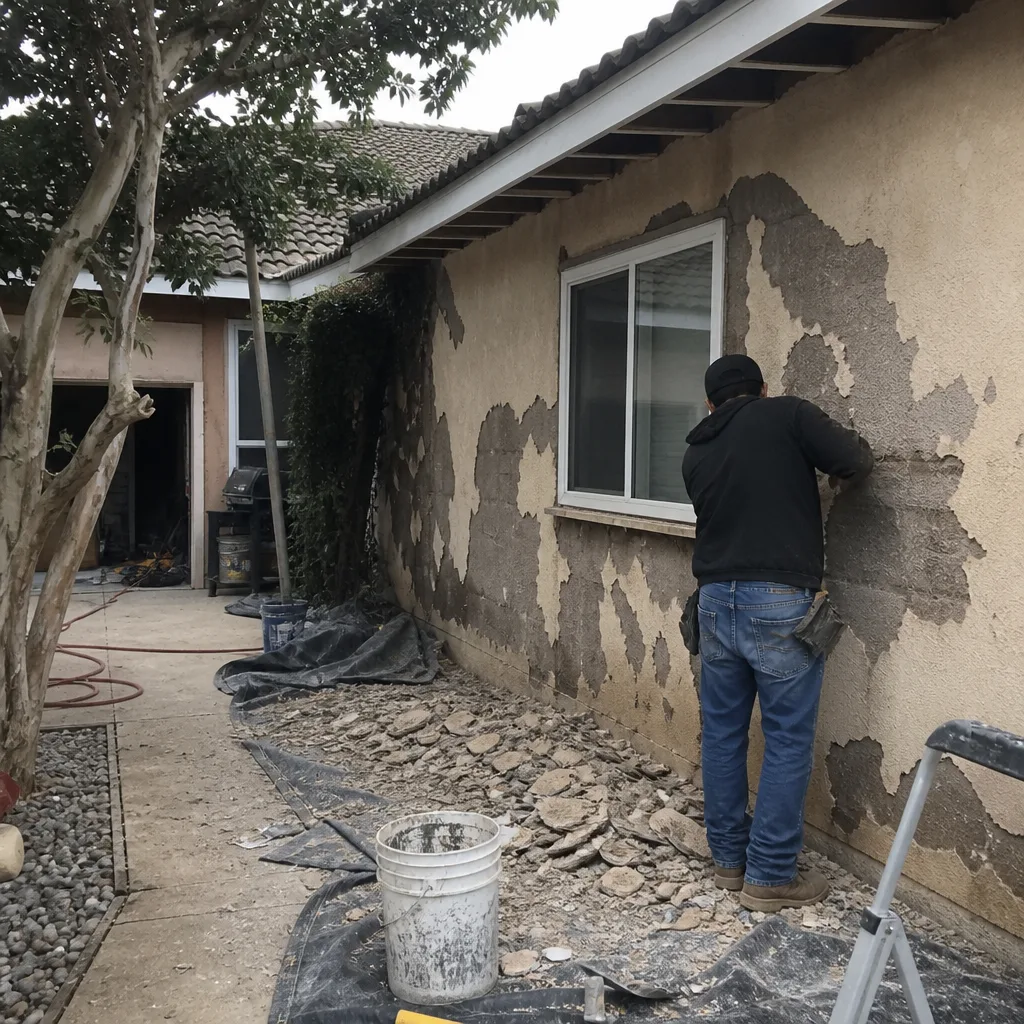 Before
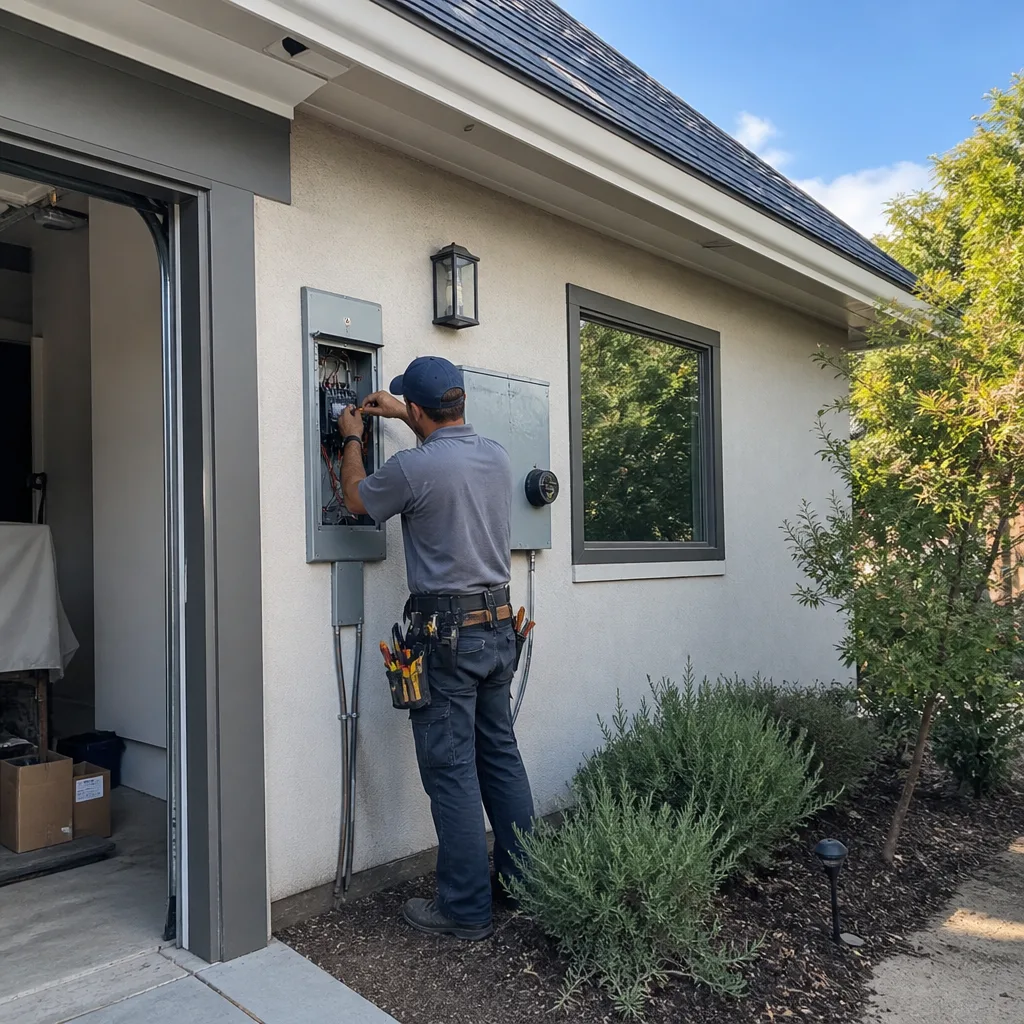 After
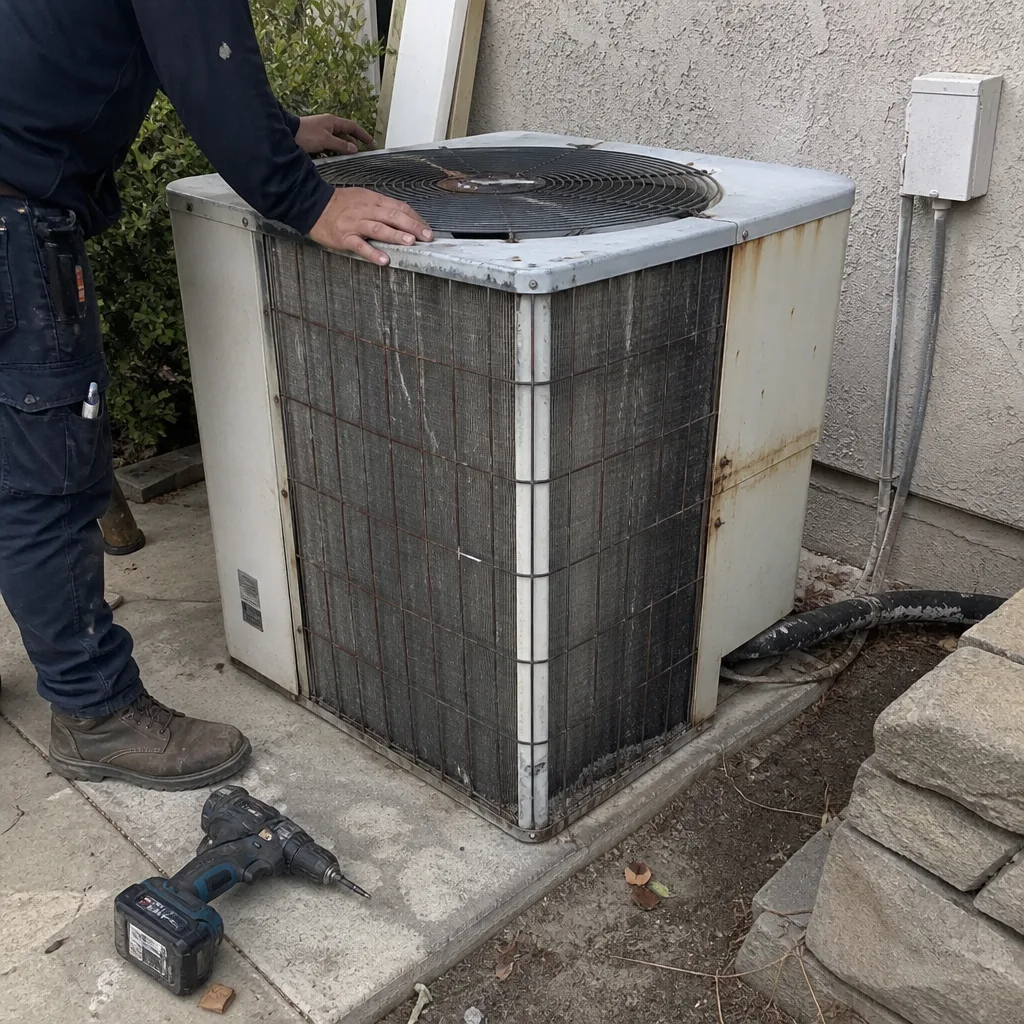 Before
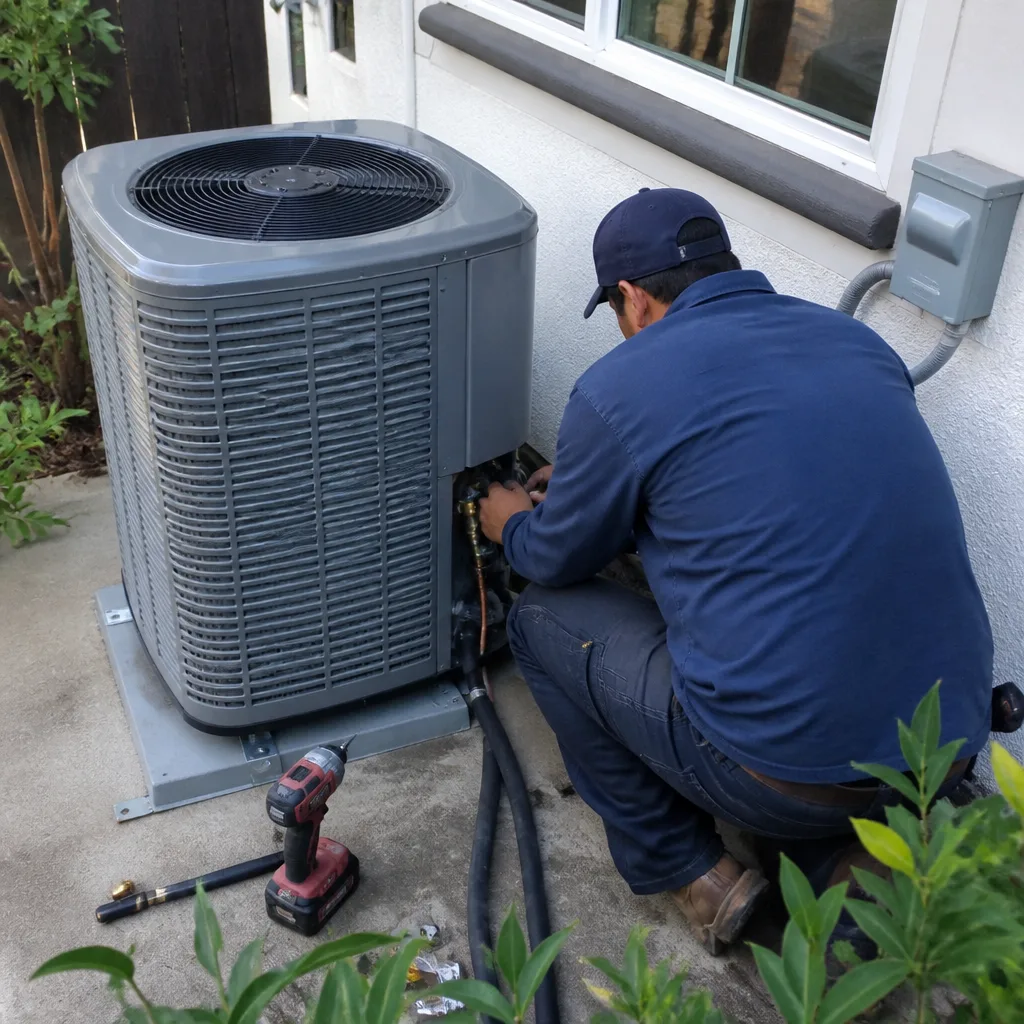 After
 Before
 After
When to Call a Professional
If you’re reading this guide because a project is already off the rails, and the documentation is thin, and the contractor isn’t returning calls, you’re past the DIY troubleshooting phase. An experienced general contractor can assess the situation, identify what’s recoverable, and advise on the path forward, even if that means documenting the breach and recommending legal counsel. If you’re at the beginning of a project and want to avoid every problem in this guide, check our seasonal construction care tips and hire a contractor whose contract language is specific, whose change order process is defined, and whose draw schedule ties every payment to a verified milestone. Square Deal Contractors offers free estimates in Lake Forest. Call (866) 623-7205 to schedule yours.
Frequently Asked Questions
Document the absence in writing, including dates, missed commitments, and any unanswered communications. Then send a written notice referencing the contract’s timeline clause and requesting a response within a specific timeframe. If the contractor remains unresponsive, contact the CSLB to check the license status and file a complaint if warranted. If the project is abandoned, you may need to hire a replacement contractor and document the costs for potential recovery.
Yes, you can terminate a contract for cause if the contractor has materially breached it, such as abandoning the job, performing work not to code, or refusing to correct documented deficiencies. The key is documentation: a written record of the breach, your attempts to resolve it, and the contractor’s failure to cure. Terminating without documented cause exposes you to a wrongful termination claim. Consult an attorney before taking this step if the project value is significant.
General contractor fees in Lake Forest typically run 15% to 20% of total project cost as a markup on labor and materials, depending on the scope and complexity of the work. Some contractors charge cost-plus contracts, others fixed bid. Fixed bid protects you from overruns but may include contingency padding. Cost-plus is transparent but exposes you to variable costs. Get both structures priced before committing, and make sure the contract specifies which one you’re signing.
A mechanics lien means a subcontractor claims they weren’t paid for work on your property. In California, the subcontractor can file a lien regardless of whether you paid the general contractor. Your protection is the lien waiver you should have collected at each draw. If a lien is filed despite your waivers, contact an attorney immediately. The lien must be released, bonded around, or litigated, and the clock is running from the filing date.
A kitchen remodel typically runs 8 to 12 weeks, a bathroom 4 to 8 weeks, and a whole-home renovation 6 to 12 months, depending on scope and permit review times at the City of Lake Forest. Material lead times for windows, cabinetry, and tile can add 8 to 16 weeks depending on the brand and line. Your contract’s timeline should account for both construction time and material procurement, with specific start and completion dates.
Yes, Square Deal Contractors manages complete home renovations in Lake Forest, from kitchens and bathrooms to roofing, windows, hardscaping, and ADU structures. We operate as a single-accountable general contractor across every trade, which means one contract, one point of contact, and one team managing the entire project. For more guides & resources on hiring right, visit our blog. Call (866) 623-7205 for a free estimate and a scope conversation before you sign anything.
The Bottom Line
Most general contractor problems trace back to one thing: a contract that didn’t define reality clearly enough before work started. Scope ambiguity, timeline assumptions, payment structure, change order process, and quality standards are all fixable on paper before they become expensive in the field. If you’re mid-project, pull your documentation and start asking specific questions. If you’re planning a project, spend the time to get the contract right on the front end. The homeowner who understands how the system works never becomes the homeowner arguing about what someone said three months ago, because it’s all written down. And a contractor who writes it down clearly is the contractor you want on your Lake Forest project. The Square Deal Contractors home page has more information on how we approach scoping and contracting. Call (866) 623-7205 to schedule your free estimate.
Written by the team at Square Deal Contractors, serving Lake Forest since 2013.